
Lese-Ansicht

Spirit Island set for new publisher as designer declines Flat River renewal, plans complete art overhaul
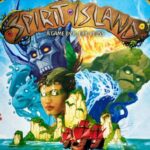
Spirit Island designer R Eric Reuss says he is in talks with a new publisher for the hit cooperative game after opting not to renew its publishing deal with Flat River Group.

Reuss said he expects to be able to license Spirit Island to a new publisher “within the next year or so” according to an update posted to BoardGameGeek and Reddit, adding that dozens of publishers had reached out to express interest in the title and that negotiations with one unnamed company were “going well”.

The announcement provides some clarity over the future of one of modern board gaming’s most widely acclaimed cooperative titles, after more than a year of uncertainty following Flat River Group’s sweeping layoffs at its former publishing arm Greater than Games.

Flat River laid off almost all Greater than Games’ staff and suspended new projects in April 2025, blaming economic pressures stemming from the US tariff crisis.

The private equity-backed company subsequently sold off its subsidiary Synapses Games to ACD Distribution last summer, at the same time as industry veterans Jules Vautour, Colin Young and Danni Loe left Flat River to revive distributor Luma Imports as part of ACD.

That was followed two months ago by Flat River selling the brand name and the rights for the Sentinels of the Multiverse titles to Handelabra Games, a deal which also put the Greater than Games brand back in the hands of two of its founders, Paul Bender and Christopher Badell.

Spirit Island was not part of Handelabra’s deal, however, and was also not part of the revived Greater than Games line-up, company CEO Bender confirmed on a May 12 YouTube livestream celebrating the publisher’s return.

Reuss has now confirmed he decided not to renew Spirit Island’s publishing agreement with Flat River in the wake of its decision to lay off staff at Greater than Games.

He said, “I originally signed Spirit Island with Greater Than Games, which was acquired by Flat River Group around 2021-2022.

“In April 2025, FRG laid off nearly all Greater Than Games staff – the folks I’d been working with – and announced the suspension of all new projects. I submitted my non-renewal thereafter.”

Reuss said his agreement specifies that once Flat River’s licence expires, the company can no longer use the Spirit Island trademark or sell new copies beyond existing inventory.

But he added that ownership of the game’s artwork and graphical assets was “less crystal-clear”, and that negotiations with Flat River to reach a deal over the artwork rights had come to nothing.

He said in the update, “I’d be happy to pay Flat River Group to settle this matter and use the existing art, but what they’re asking for is so much higher than what I’m willing to pay that I have to assume a settlement won’t happen.

“To mitigate legal risk, I’m commissioning completely new non-derivative art, graphical assets, etc.”

He added that he would not consider running a crowdfund from fans to raise money for acquiring the art assets from Flat River, saying, “Given that I don’t feel OK paying that much money, I really don’t feel OK asking Spirit Island fans to pay that much money.”

Reuss said new non-Flat River Group versions of the game would retain the same gameplay, spirits, powers, adversaries and expansions, but with entirely new visual interpretations, promising “vibrant, colorful, representational art”.

Despite the extensive visual overhaul, Reuss stressed that no second edition was currently planned, with only minor rules clarifications and potential balance tweaks currently under consideration.

He said his design priority remains the long-awaited Dahan-focused expansion, although recommissioning Spirit Island’s artwork was likely to delay development of that project.

The designer also confirmed that he has no plans to use generative AI artwork in the project, primarily because he wanted to “collaborate with, support, and celebrate human artists”.

He added in the update, “Ssecondarily because (a) all image-creating GenAI I know of was trained unethically, and (b) while queries aren’t so environmentally terrible as is sometimes asserted, training new models is another story entirely (and using GenAI bolsters demand for training new models).”

He continued “I’m not dogmatically anti-GenAI – I’d love to see ethically trained, environmentally conscientious, explainable, non-toxic, reasonably-secure public-option GenAI. Though that doesn’t address the impact on illustrators and other jobs, so maybe also UBI or something? One can dream.”

Reuss said that although dozens of publishers had expressing interest in Spirit Island since April last year, he added that if negotiations ultimately failed he would self-publish the game himself.

He said, “Spirit Island will continue being published, and I’m going to keep working on making new stuff for it. It’s not going away.”

The post Spirit Island set for new publisher as designer declines Flat River renewal, plans complete art overhaul first appeared on .

  •  

Greater Than Games verkauft: Was der Deal für Spirit Island und seine deutschen Fans bedeutet

Greater Than Games verkauft: Was der Deal für Spirit Island und seine deutschen Fans bedeutet

Greater Than Games steckt seit über einem Jahr in der Krise, jetzt wechselt die Verlagsmarke den Besitzer. Mitte April 2026 hat die Flat River Group, die Eigentümerin von Greater Than Games (kurz GTG), die Marke samt den Produktlinien rund um Sentinels of the Multiverse an den Digital-Entwickler Handelabra Games verkauft. Das berichtet das Branchenmedium BoardGameWire.

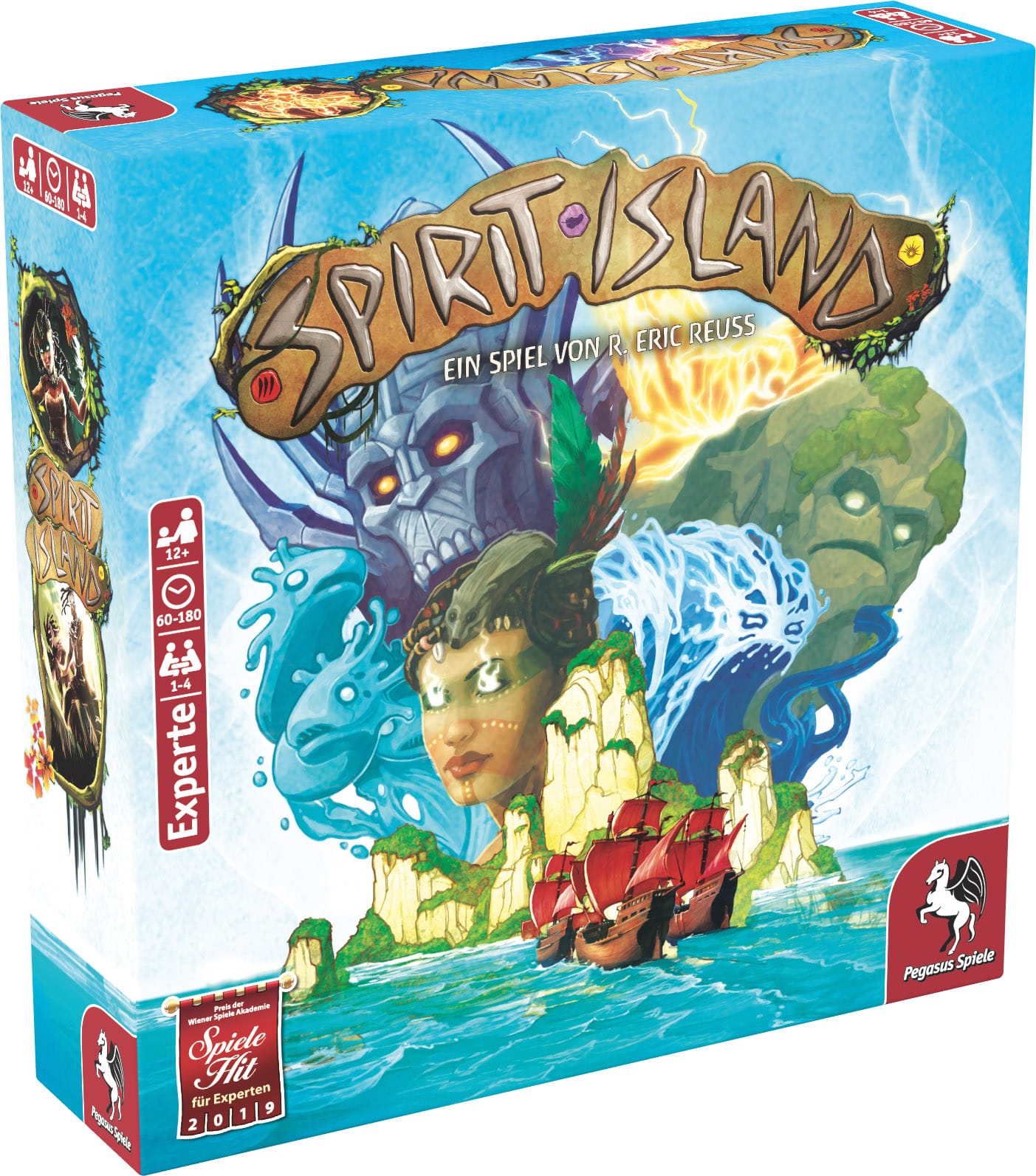
Für viele in der Szene steht dabei vor allem eine Frage im Raum: Was wird aus Spirit Island, dem bekanntesten Titel des Verlags? Die kurze Antwort zuerst, denn sie entlastet: Spirit Island ist ausdrücklich nicht Teil des Verkaufs. Und für die deutsche Ausgabe ändert sich nach aktuellem Stand ohnehin nichts, weil die nicht bei GTG liegt, sondern bei Pegasus Spiele.

Wir ordnen ein, was verkauft wurde, warum GTG überhaupt in diese Lage geriet und was das konkret für euch als deutschsprachige Spielende heißt.

Spirit Island auf einen Blick

  • 1 bis 4 Spielende, rein kooperativ
  • Spielzeit: 90 bis 120 Minuten laut Schachtel, in der Praxis bei Erstpartien oft länger
  • Ab 13 Jahren, Komplexität gut 4 von 5
  • BoardGameGeek-Rang 11, Durchschnittsnote 8,3
  • Deutsche Ausgabe: Pegasus Spiele, betreut über das Label Frosted Games
  • Auch als digitale Umsetzung erhältlich (Steam, iOS, Android)

Was wurde verkauft, und was bleibt?

Verkauft hat die Flat River Group die Markenrechte an Greater Than Games sowie die Produktwelt rund um Sentinels of the Multiverse: das Kartenspiel selbst, die Reihe Sentinel Tactics, das Sentinel Comics RPG, die Sentinels-Miniaturen und den kooperativen Deckbuilder Galactic Strike Force. Käufer ist Handelabra Games, ein Studio, das seit über einem Jahrzehnt die digitalen Umsetzungen der Sentinels-Spiele entwickelt. Der Schritt vom Software-Partner zum Marken-Eigentümer ist also weniger ein Quereinstieg als die Übernahme einer Welt, die das Studio schon lange kennt. Handelabra-Chef Jaye Handel zeigte sich laut BoardGameWire optimistisch für die Zukunft der Sentinel-Comics-Marke auf digitalen wie analogen Tischen. Weitere Details stellte das Studio für Ende April 2026 in Aussicht. Markenverkäufe und Übernahmen häufen sich gerade in der Szene, erst kürzlich übernahm Awaken Realms den Verlag ThunderGryph Games.

Der entscheidende Punkt für die Spirit-Island-Gemeinde: Spirit Island gehörte nicht zum Paket. Der Titel bleibt bei der Flat River Group. Handelabra stellte ausdrücklich klar, dass sich an der Beziehung zu Flat River in Bezug auf Spirit Island nichts geändert habe. Wer also befürchtet hat, sein Lieblingsspiel verschwinde im Zuge des Deals, kann durchatmen: Der Markenverkauf betrifft die Sentinels-Welt, nicht die Geisterinsel.

Warum geriet Greater Than Games in diese Lage?

Der Verkauf ist der vorläufige Endpunkt einer längeren Schieflage. Bereits im April 2025 hatte GTG den Betrieb weitgehend heruntergefahren und den Großteil der Belegschaft entlassen. Als Grund nannte der Verlag den Druck durch neue US-Importzölle, die das Geschäft mit überwiegend in Asien gefertigten Brettspielen empfindlich verteuerten. Greater Than Games ist damit nicht allein, auch andere US-Verlage geraten unter den gestiegenen Kosten ins Wanken.

Spirit-Island-Designer R. Eric Reuss meldete sich damals auf seinem Blog zu Wort. Er fand klare Worte für die Belegschaft: "This is a tragedy, and my heart goes out to all the >G folks who've been laid off; they're excellent people and have been great to work with." Zugleich beruhigte er die Fans mit Blick auf das Spiel selbst: "I'm certainly not done with the game, so don't worry about it vanishing into the ether." Reuss verwies außerdem darauf, dass der Webshop weiterlaufe, lagernde Titel bestellbar blieben und der aktuelle Katalog bei Bedarf weiter produziert werde.

Was hat Reuss zugesagt, was bleibt offen?

Im Juni 2026 legte Reuss mit einem weiteren Spirit-Island-Update nach, das er per E-Mail und über die Community-Kanäle verbreitete. Der Tenor blieb beruhigend und nüchtern: Vorrätige Titel bleiben bestellbar, der laufende Katalog wird bei Bedarf weiter nachproduziert. Zu den laufenden Crowdfunding- und Vorbesteller-Projekten kündigte er Informationen für einen späteren Zeitpunkt an.

Konkrete Termine für künftige Spirit-Island-Erweiterungen auf dem US-Markt nennt Reuss damit noch nicht. Der Stand ist also: Das Spiel läuft weiter, der bestehende Katalog ist gesichert, und über die nächsten großen Schritte entscheidet sich erst in den kommenden Monaten mehr.

Was bedeutet das für DACH-Spielerinnen und -Spieler?

Hier kommt die für euch wichtigste Einordnung, und sie fällt entwarnend aus. Die deutsche Ausgabe von Spirit Island liegt nicht bei Greater Than Games, sondern bei Pegasus Spiele, betreut über das Label Frosted Games. Pegasus hält die deutschsprachige Lizenz und steuert die Lieferkette hierzulande. Der gesamte US-Wirbel um GTG, Flat River und Handelabra läuft damit an der deutschen Ausgabe vorbei: Wer Spirit Island auf Deutsch sucht, bekommt es weiterhin über den gewohnten Vertriebsweg.

Das gilt auch für die bereits erschienenen Erweiterungen. Die großen deutschen Ausgaben wie Ast und Tatze (im Original Branch & Claw) und Zerklüftete Erde (Jagged Earth) sowie die Geist-Pakete wie Sonnenheller Wirbelwind, Seele des Flächenbrands, Bodenloser Schlamm der Sümpfe und Sturzregen durchnässt die Welt sind Pegasus-Ausgaben und hängen nicht an den verkauften Markenrechten. Die Verfügbarkeit einzelner Titel schwankt wie immer mit den Nachdruck-Zyklen. So ist Zerklüftete Erde laut Handelsangaben ab Juli 2026 wieder erhältlich. Das ist der normale Lauf eines stark nachgefragten Spiels und keine Folge des US-Deals.

Bei der Frage nach künftigen Erweiterungen solltest du zwei Dinge auseinanderhalten. Der bestehende deutsche Katalog ist gesichert: Was Pegasus bereits lokalisiert hat, bleibt lieferbar und wird nachgedruckt. Ob und wann es darüber hinaus neue Erweiterungen auf Deutsch gibt, hängt dagegen davon ab, was Reuss in den USA überhaupt erst neu anstößt. Eine feste Zusage für weitere deutsche Ausgaben gibt es derzeit nicht. Genau hier lohnt sich für dich der Blick auf die angekündigten Updates der kommenden Monate.

Einordnung: Warum diese Nachricht überhaupt Wellen schlägt

Dass ein Verlagsverkauf in einem US-Nischenmarkt so viel Aufmerksamkeit erzeugt, sagt vor allem etwas über den Stellenwert von Spirit Island aus. Das kooperative Experten-Spiel von R. Eric Reuss erschien 2017 und zählt heute zu den meistgespielten und am höchsten bewerteten Koop-Spielen überhaupt. Auf BoardGameGeek steht es auf Rang 11 der Gesamtwertung, bei einer Durchschnittsnote von 8,3 und einem Komplexitätsgewicht von gut 4 von 5. Es ist für 1 bis 4 Spielende ab 13 Jahren ausgelegt, die Schachtel nennt 90 bis 120 Minuten, und in der Praxis zieht sich vor allem die Erstpartie gern länger. Ein dicker Brocken also, der seine Fans gerade wegen seiner Tiefe an sich bindet.

Bemerkenswert ist auch das Thema. In Spirit Island verteidigen Naturgeister ihre Insel gegen koloniale Invasoren. Das dreht die übliche Eroberer-Perspektive vieler Aufbauspiele bewusst um und gibt dem Titel eine antikoloniale Haltung, die in der Szene viel diskutiert wird. Ein Spiel mit dieser Strahlkraft verschwindet nicht leise, wenn sein Verlag ins Wanken gerät. Genau deshalb war die Sorge groß, und genau deshalb ist die Entwarnung die eigentliche Nachricht: Die Marke wechselt den Besitzer, der Klassiker bleibt, wo er ist, und für deutsche Fans bleibt der Weg zum Spiel der gleiche.

  •  

Greater than Games back in hands of founders Christopher Badell, Paul Bender, has multiple games in development

Greater than Games is officially back in the hands of two of its founders, a year after former owner Flat River Group laid off the vast majority of the board game publisher’s staff and suspended new projects amid US tariff uncertainty.

Paul Bender and Christopher Badell, who launched the business in 2011 alongside Adam Rebottaro, said they have reacquired the brand and the rights for the Sentinels of the Multiverse titles alongside their other original IP such as the Sentinel Comics RPG.

The deal comes just under a month after Flat River Group sold the Greater than Games brand name and the Sentinels range to digital developer Handelabra Games, which had spent more than a decade creating digital versions of the Sentinels of the Multiverse and its expansions – as well as for Greater than Games’ best known release, Spirit Island.

That acquisition was done “with the shared goal of returning both to the hands of people who know them best”, according to the company overview page on Greater than Games’ new website.

Spirit Island was not part of Handelabra’s deal, however, and is also not part of the revived Greater than Games line-up, company CEO Bender confirmed on a May 12 YouTube livestream celebrating the publisher’s return.

Two new titles have been announced by the company slated for a summer release, in the form of Badell-designed party game Digital Detox and social deduction title Crime Scene Tamperer, from Homestar Runner creators Mike and Matt Chapman.

Greater than Games co-founder Christopher Badell || Photo credit: Greater than Games

Badell, GtG’s chief creative officer, added on the livestream that the publisher is “in the development process on a high-single-digit number of games right now”, while creative director Matthew Kroll added that the company has two “heavy hobby games in the pipeline” – one co-operative, one competitive.

Bender added on the livestream that Bottom of the Ninth designer Darrell Louder had recovered the rights to the game, which had previously been published by Dice Hate Me and GtG, “and would like us to publish it again, so we’re excited to do that”.

The relaunched company’s five-strong team comprises Greater than Games veterans SaRae Henderson as art director and chief operating officer Katie Nale, in addition to Badell, Bender and Kroll.

GtG’s third co-founder Adam Rebottaro, the original artist and co-creator of Sentinel Comics, has also rejoined as a “creative collaborator”, the publisher added, “helping to shape the next generation of Sentinel Comics releases alongside Badell”.

That will see the pair working together on new content in the Sentinels range, beginning with reprints of all existing definitive edition products for Sentinels of the Multiverse and then moving on to a new expansion, which is expected to come to crowdfunding in 2027.

Badell said in a press release announcing the GtG revival, “A year ago, I wasn’t sure I’d ever get to come back to this. Sentinel Comics has been the defining creative work of my life – fifteen years of stories, characters, and worlds I love – and watching it become uncertain was genuinely painful.

“So when I say this feels like coming home, I mean it. I’m back in the Multiverse. We all are. And we’re just getting started.”

Greater than Games co-founder Paul Bender || Photo credit: Greater than Games

Bender added, “Greater Than Games has always been about more than just publishing games — it’s about building experiences and communities.

“Over the years, the brand has grown and evolved, but its heart has always been with the people who create and play these games. Being able to steward that again is both a responsibility and a privilege.

“We’re excited to reconnect with our community and continue building something special.”

Greater than Games is also set to return to Gen Con this year, the publisher added, underscoring its rejuvenation as a business with a booth in the Entrepreneurs Avenue segment of Hall G – an area dedicated to companies making their debut at the event.

Flat River Group, a distribution and e-commerce specialist, had bought Greater than Games in 2021 after picking up private equity investment from Guardian Capital Partners a year earlier.

It followed that expansion into board game publishing with further deals for Canadian publisher Synapses Games and hobby game distributor Luma Imports in 2022.

Flat River sold Synapses Games to ACD Distribution last summer, at the same time as industry veterans Jules Vautour, Colin Young and Danni Loe left Flat River to revive Luma as part of ACD.

The post Greater than Games back in hands of founders Christopher Badell, Paul Bender, has multiple games in development first appeared on .

  •  
❌