Anmelden

Codenames makes Netflix debut after streaming giant approached CGE for licence – then hired it to develop the game instead


Czech Games Edition‘s huge-selling word guessing game Codenames has made the jump to Netflix, with the publisher developing a new digital version of its biggest-selling title for the streaming giant’s push into TV-based social gaming.
CGE told BoardGameWire that Netflix originally approached it about licensing Codenames, before changing tack and asking CGE to develop the digital version itself after trying out the publisher’s existing mobile app for the game.
Codenames Party can be played by Netflix subscribers through their TV by using their phones as controllers, and includes a new ‘party’ mode allowing up to 10 people to compete as individuals rather than in teams.
The deal provides a new source of players for a game which is already closing in on 20 million physical copies sold, a CGE spokesperson told BoardGameWire, adding that “the branding benefits and opportunity to reach a new audience” were important to the publisher.
Codenames and its spin-off titles already account for about 80% of CGE’s annual sales – although company marketing manager Ondřej Skácel told Czech business publication CzechCrunch the new deal would not transform CGE financially, saying revenues from the tabletop version of Codenames remained on another level.
CGE was paid to develop the Netflix version of the Vlaada Chvátil design, and will also receive ongoing licensing payments, that report added – with Skácel telling the outlet “at first, we didn’t believe it and thought it was some sort of hoax” when Netflix got in touch.
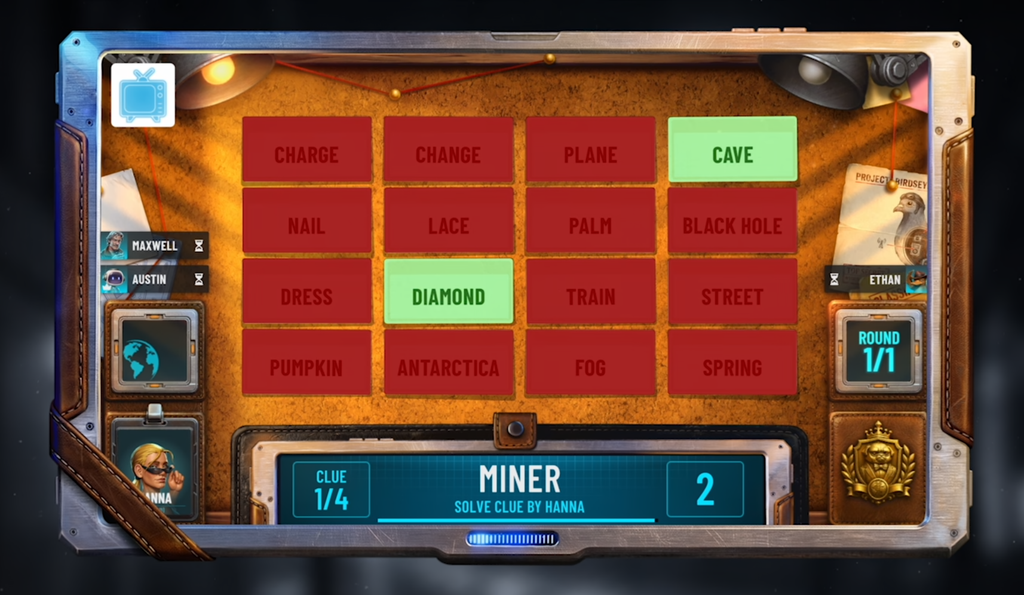
Codenames Party’s visual style has prompted questions from some players about whether generative AI was used in its creation – something CGE strongly denied to BoardGameWire.
The spokesperson said, “There are no AI assets in the game or in marketing materials. We saw those comments, but we want to clarify that the new art style was made by illustrators and graphic designers who spent countless hours on it.
“In general, we use human graphic designers and illustrators on all our projects. We’re in turbulent times, but we’re still enjoying the whole ‘old-school’ process of making games.”
CGE also left open the possibility of bringing more of its games to Netflix or similar platforms, telling BoardGameWire, “We’re always open to any new opportunities. If we find a good fit with our games and the specific platforms, we would definitely consider it.”
Codenames was first released by CGE in late 2015 and quickly became an international hit, winning the coveted Spiel des Jahres prize the following year.
The game has since spawned a string of spin-offs and licensed editions, including Codenames: Pictures and two-player cooperative version Codenames: Duet.
CGE has increasingly experimented with bringing Codenames into digital formats, beginning with the free browser-based Codenames Online in 2019 before launching a mobile adaptation developed by its CGE Digital team in 2024.
That app, which clearly made an impression on the Netflix team, introduced asynchronous multiplayer, matchmaking, progression and new game modes rather than simply recreating the tabletop game.
The post Codenames makes Netflix debut after streaming giant approached CGE for licence – then hired it to develop the game instead first appeared on .