I wouldn’t go as far as to say that G.K. Chesterton’s The Man Who Was Thursday saved my life. Probably it would be more accurate to say it built my life. The novel arrived at a pivotal moment in my adolescence. I was seventeen. Dumb with hormones, dumb with culture, just plain dumb. Still deciding who I was. Who I was going to be. I found it through the unlikeliest of sources, snippets of text in the video game Deus Ex, and felt like an investigative researcher when I obtained a copy from the bookstore I haunted like a ghost that summer.
The Man Who Was Thursday is also a board game. A very unlikely board game. Created by a designer from South Korea who goes by the nom de ludens Reader on Jupiter, it arrives folded within twin DVD cases. Arrived. Past tense. It’s profoundly out of print, although its author claims there will be another use for the system sometime in the future.
Honestly, it isn’t the system I’m interested in. It’s the adaptation. This is the board game version of a book that was one of the cornerstones in building who I am today. I cannot see it impartially. Only intimately, like an old friend straining to express something important. Straining to express a revelation.
The perilous streets of Europe.
It begins with the conspiracy.
Written in 1908, when Chesterton was yet a Protestant, and in the period when anarchists and nationalists alike flung bombs at monarchs, a vocation that would soon spark the War to Begin All Wars, The Man Who Was Thursday opens with an undercover policeman, Gabriel Syme, on a quest to stop a council of bomb-throwers from completing their most daring, most damaging undertaking yet.
He is elected to the position of Thursday. That is, one of seven members of the anarchist committee. The committee is headed by Sunday, a monstrous, massive presence who seems unbeatable at every turn. Syme is initially shown as dashing and clever, worming his way into the anarchist committee through poetic debates, mistimed oaths of secrecy, and inflamed speeches. Seated before Sunday, he is transformed into a sweating plaything, certain that the anarchist of anarchists sees straight through him.
It’s a tale of isolation, at least in part. Thursday is one of those stories that reflects the eye of the reader. Some have argued that it’s the antecedent for the coming storm of espionage thrillers. The critic Adam Gopnik argued that it was the turning point between the earlier nonsense fantasies of Lewis Carroll and Edwin Lear and the latter horror fantasies of Franz Kafka and Jorge Luis Borges, the moment when the fever dream grew truly nightmarish. More than one theological treatise has argued that it’s a retelling of the Book of Job, with its senseless morality. It’s easy to see why. The world of Thursday is broken, pessimistic, heavy with suffering.
And at its heart is a man who doesn’t see a path through to the end. Or, in my case, its heart is a teenager on the verge of adulthood, flirtatious with fascism but honestly too sensitive for jackboots, with an ear for the numinous but too questing to be considered faithful, and only barely smart enough to know he doesn’t know a single damn thing worth knowing.
For the good of humankind, we’re gonna poison this guy.
Adaptation is one the most difficult arts of all. Partly because, when done well, it will be invisible.
Thursday the board game adapts Thursday the novel by thrusting players into a tangle that they can only vaguely see the outlines of. Everyone is a member of the Council of Days with a double identity. The first of those identities is visible, an objective to fill the spaces of the board with some number or color of cubes. Perhaps you’ll be tasked with placing a bunch of anarchist cubes, or entrusted to make sure there are more police cubes than anarchists in as many spaces as possible, or even instructed to sow chaos by commingling white and black across the entire board.
Your second identity, however, is concealed. This is your position on the Council of Days. Perhaps you’ll be purple, Saturday, or red, Monday. The only options barred to you are Sunday, the avatar of anarchy, and Thursday, representing the police.
These dual identities are never far from mind, tied as they are to the game’s victory conditions. Your first goal is accomplished by undertaking missions that add cubes to the board. But your second, that of your hidden identity, requires you to steer clear of those same missions lest you fall under suspicion. This functions as a tiebreaker, but ties are common enough that your relative standing can never be neglected, causing players to go out of their way to keep their player token clear of any major plots.
This is made doubly challenging by the fact that you never command your avatar directly. Instead, your current token is determined by a calendar that shifts forward in response to everybody’s moves. You’re Monday, but today is Wednesday, so rather than moving your red piece, you’re given control of green. Along the way, you pick up Friday (blue) to fling a bomb at some minister, causing green and blue to gain suspicion, but also leading everybody at the table to suspect that your real identity is tied to neither of those colors. The calendar ticks forward three days because you moved three spaces. The next player glares at you because it seems like they’re always moving Saturday.
The timekeeping calendar is lovely.
Out of the corner of my eye, I can regard the game with some sliver of critical impartiality. There are flaws here. Missions are accomplished through a combination of dice faces and token colors. Theoretically, this forces players to make do with what they’re given, some combination of whichever color the calendar has assigned them this turn, the colleague they pick up en route to their mission, and any dice results and/or bonuses they have handy. But missions are too easy to complete, rendering entire portions of the design vestigial. There’s an option, for instance, to lay low rather than to complete a mission, cooling off some suspicion or tweaking the position of previously placed cubes. But this is rare, an outside exception, especially the first few times the game hits the table.
Similarly, the objectives struggle to find their balance. Some, like the one that sees you filling spaces with the maximum three cubes, are far easier than those that pit anarchy and the police against one another. With some experience, the gameplay opens up. You learn how to speed up the calendar when you’re ahead, or use the bigger Sunday and Thursday tokens to alter the outcome of a mission, or take advantage of the game’s many special abilities to alter the game from its icon-matching core into more of an area control contest. The Man Who Was Thursday can be played well, can overcome certain of its limitations. But even at its best, it remains a flawed system.
As an adaptation, it fares better. There’s still an incompleteness to the presentation here, as one might expect of a board game, which by its nature presents a snapshot rather than a definite narrative arc. This is, in a sense, the middle act of Thursday, the conspiracy of isolated individuals, after Syme’s infiltration but before the absurdities begin to overwhelm the tale. I’m reluctant to spoil any details, itself something of an absurdity for a novel that’s nearly 120 years old, but… well, that’s on you. Sorry. You’ve had your entire life to read it.
The question of your identity is always under investigation.
The novel gradually transforms, shedding its guise as a political spy thriller. For a time it becomes a meditation on isolation and the power of companionship, with Syme discovering that the various members of the Council of Days are all undercover policemen like himself who have been set against one another. In its final chapters, it shifts into the cosmic realm of Job’s behemoth and whirlwind, Sunday fleeing atop an elephant, then via hot air balloon. When the conspirators at last corner the anarchist of anarchists — a state of affairs that sees him at the height of his power, not laid low as one might presume — they grill him. Why have they suffered so much? Why must everything on earth contend against every other thing? Why does even God hide His face?
This is when Syme, at the moment of theophany, understands. The suffering is also the justification for its own existence. If only the wicked suffered, then their complaint against God would be correct in labeling Him a tyrant. It’s only in the wildness of suffering, in its untamed nature, in the way the lion might gaze lazily at you or consume you, in how every living thing is pressed into service as an anarchist, that true goodness becomes possible.
Do I buy it? Eh. About as much as I buy any explanation for why we suffer. Okay, that isn’t true. I buy it more than any prosperity gospel. But I bought it as a teenager. I bought it, and decided that we were indeed heroes disguised as anarchists, everyone alone, everybody hurting, and that, as Chesterton wrote, the best we could do was to try to find the people who were hidden like us and make allies of them. In his words, “There are no words to express the abyss between isolation and having one ally. It may be conceded to the mathematician that four is twice two. But two is not twice one; two is two thousand times one.”
What a strange, wonderful artifact this is.
This version of Thursday doesn’t arrive at that final confrontation. It remains quagmired in the issue of concealed identity. It’s entirely possible, even likely, that players won’t know one another’s color until they arrive at the game’s conclusion.
But it succeeds in its own confrontation, that moment when everyone’s identity is revealed and any ties are broken. This parting of the curtain is a delight, all the preceding machinations suddenly laid bare. And, by extension, it succeeds in the small moments of relief it provides. When someone at the table eases the suspicion cast on your pawn. When a fellow trailing player collaborates to break someone’s winning state. When at last the game is tallied and packed away and we return again to the table, free of the magic circle, no longer strangers, once again friends.
A complimentary copy of The Man Who Was Thursday was provided by the designer/publisher.
(If what I’m doing at Space-Biff! is valuable to you in some way, please consider dropping by my Patreon campaign or Ko-fi. Right now, supporters can read the next installment in my series Talking About Games, this time tackling the topic of what makes a good list! Naturally, the piece includes a list.)
When I’m scrolling through Facebook, there’s a specific type of image that frequently catches my eye. It’s used the most by digital game news outlets: An evocative image plus a few descriptive lines of white and orange text on a black background.
I like this format so much that I recently decided to apply it to our games. In fact, I made two versions for each game: One using art and thematic vibes; the other using a photo of the game on the table and a few stats:
Despite having an active Facebook page for Stonemaier Games, I rarely use it to post about our games. So I’ve started posting one of these images once per week.
While I would prefer to equally showcase each of the two images per game, I think this type of image has the biggest impact when it’s alone. So for the first 25 posts I’ll use the thematic image and post the photo version in the comments with a link to the game’s page; after I get through every game, I’ll switch the two.
The most surprising result after doing this for Vantage and Apiary is the number of people who have commented on the posts (despite there not being a question or prompt). Some have shared their love of the game, others have asked questions. A rare few have even decided that this is the right place to share how they dislike the game.
But I love that a simple image has generated conversation and sense of community outside of our Facebook groups. Given that, I may also post these images on Instagram and Bluesky in the future.
What do you think about this approach? Are there other eye-catching image formats on social media that pique your interest (without being clickbait)?
Whistle Mountain (2020, Bezier Games) looks like it should be the direct sequel, or maybe the spiritual successor, to Whistle Stop, an earlier release that focused on a Euro-style train game complete with powers, shares, goods delivery, and a race to go west as quickly as possible.
Whistle Mountain is not that, at all. Designed by the same person who designed Whistle Stop, Scott Caputo, as well as designer Luke Laurie (Andromeda’s Edge, Cryo), Whistle Mountain is a somewhat themeless tile placement game with triggering effects that align with a worker placement mechanic, as players compete for the most points by placing…wait for it…hot air balloons on a map full of scaffolding tiles while trying to evacuate construction workers from both a barracks location and a whirlpool.
Honestly, I don’t get the theme behind this one at all. Luckily, the gameplay is so good that you won’t bother to realize that saving the lives of your construction workers is the main trigger for the endgame!
Total Recall
Whistle Mountain is a tile-laying, worker placement, Euro-style adventure game for 2-4 players that runs about two hours at the highest player counts.
Whistle Mountain takes place in a future state “years…since your successful foray across the great America…
I love a good murder mystery. I’ve watched every episode of Midsummer Murders. My “Read” shelf is heavy with detective novels, especially Scandi noir. Intent to Kill should have been a shoo-in for me. But instead it left me feeling decidedly meh. Intent to Kill is a 2-player deduction game published by 25th Century Games. […]
An Impossible War: The First Carlist War in the North, 1834-1838 from Bellica Third Generation is a block wargame that recreates the First Carlist War in the North of Spain which was a civil war between the Carlists who supported the succession of the late king’s brother Carlos de Borbón and the progressive and centralist supporters of the regent Maria Christina acting for Isabella II of Spain who were referred to as the Liberals. The game uses blocks representing units but also includes counters and uses cards. I was able to play the game about a month or so ago with Francisco Ronco who owns the publishing company Bellica Third Generation and very much enjoyed the game and how it represented this interesting struggle.
In Action Point 1, we took a look at the Game Map, discussing the point-to-point movement configuration, the various spaces and the delineation of the Carlist versus the Liberal Zones, as well as explained the use of the Rest of Spain smaller map. In Action Point 2, we examined the units available to both sides and covered the importance of Supply. In Action Point 3, we took a closer look at the Carlist Uprising Phase and what it means for the game. In this Action Point, we will take a look at the activation system and the use of Action Point Markers.
Activation System
The main focus of the activation of units is the concept of Action Points. These Action Points are used to take various actions such as to activate units for movement, build fortresses, destroy enemy fortresses, obtain replacements, recruit units into Expeditions, suppress uprisings and enter into combat as a part of activation for movement. Both the Carlist and Liberal player has Action Point Markers in the color of their side and each year they can use a specific number of each value of marker. This is determined at the outset of each year according to the Action Point Marker Table.
After the number of Action Point Markers used is determined, the players will each build a chit draw cup for their own Action Point Markers. This should be an opaque container that obscures the identity of each marker as the draw is supposed to be random and is really part of the fun of the design. Then at the start of their Activation Phase, the player will randomly draw an Action Point Marker and then mark their Action Point Track accordingly. As already mentioned, these Action Points are the “fuel” spent to perform actions.
As you can see in the chart above, each year the players both have access to the same amount of overall Action Point Markers with 6 but the makeup of these markers will be different ranging from 2 points to a maximum of 4 points. For example, in 1834 the Carlist player will have three 2-point markers and three 3 point markers while the Liberal player will have access to three 2-point markers, two 3-point markers and one 4-point marker. This is an interesting point as the Liberal player has the potential to obtain more Action Points in 4 of the 5 years covered in the game. This is random of course and fate can decide that the Carlist player will get the most Action Points each year but the potential is there for the Liberal player to have the advantage.
As mentioned, these Action Points are the currency used to take various actions and in most instances they will be used to Activate units on the board. Activated units can then move and their movement allowance will depend on how many units move together and the roads used, either main or secondary.
But one of the more interesting ways that Action Points can be used is to convert them into Command Points. The player may choose to convert as many Action Points as desired each year into Command Points, noting them on the Command Points Track. A player may have no more than 5 Command Points. Command Points are flexible currency that will not be lost and can then be used to contest initiative, as Action Points or even to attempt an interception of enemy units. These Command Points are vital and should be something that players invest into as they are very flexible and also allow for the taking of actions during the other players activation. I like the way the game uses this random activation concept and currency for those actions. In reading the designer notes in the Playbook, the designer David Gómez Relloso emphasized the fact that the war was brutal, difficult and that communication and distribution of orders was very difficult, particularly for the Liberals as they were operating in hostile territory where the locals continually harassed and denied them of provender as they would flee taking their livestock with them to keep them out of enemy hands. This random number of Action Points, and thereby a varied number of points to do things with on the board, really is central to the design and can make for a very interesting challenge for those that are unlucky like me. While the differences in the values of the Action Points are not that far apart, a few extra or less than your opponent can cause great difficulty as you will simply not be able to perform what you need to each turn. This boils down to a prioritization of goals and will lead to some very tough decision having to be made about activating units versus recruitment of new units or focusing on the game board state versus the state of the Rest of Spain Map and the Carlist Uprisings and Expeditions.
I also was able to shoot a fairly short video summary of my game play with Francisco Ronco who is the owner of Bellica Third Generation and you can watch that at the following link:
In Action Point 5, which is the conclusion to the series, we will cover some examples of Battle, focusing on the tactical aspect of combat with the use of the Battlefield Board, as well as an example of a Siege.
Rascally Rabbits Designer: Ta-Te Wu Publisher: Sunrise Tornado Players: 2-6 Age: 10+ Time: 30-45 min Played with review copy provided by publisher Rascally Rabbits is a lighthearted yet strategic trick-writing game for 2 to 6 players. Mischievous bunnies … Continue reading →
Every so often, I’ll write something that receives a weird amount of hostility. The most emblematic example is Foucault in the Woodland, my series examining Cole Wehrle’s Root through the lens of Michel Foucault. This is especially weird because Wehrle has been rather open with his design intentions there, including his desire to wrap some philosophical talking points in the garb of fable. In other words, some of the points I’ve written about Root aren’t even subtext; they’re explicit rhetoric spelled out by the game’s author.
But this raises a tangential (and frankly more interesting) question than whether I’m stretching when I insert theories about biopower, state surveillance, and sexual deviancy into the factions of Root. How much should it matter whether Wehrle has left his imprimatur on Root as a game that could be read through a Foucauldian perspective? Thanks the Death of the Author, shouldn’t we be free to talk about any game through any lens that occurs to us, as readers and/or players of that game? Or, as Roland Barthes might put it, as conversants in the same language the designer used to create it in the first place? In playing these things, aren’t we creating their meaning as resolutely as their designers did in the first place?
Today I want to talk about the Death of the Author, Roland Barthes, and the tension that exists between two halves of the way I evaluate games. But in order to do that, first we need to talk about the Bible. That’s right, the Holy one. I’m so sorry.
This one. And no other.
I. Originalism and Reception
As some of my long-time readers may know, I have a background in Bible. My education is primarily in Christian history, which necessarily touches on a pretty wide range of topics, if only because Christianity has been with us for a couple thousand years now. There’s the usual stuff, patristics and theology and orthodoxy and schisms and bad popes and whatnot. But there’s also the stuff that students are surprised to discover. Like the changing Christian treatment of women over the centuries, or the involvement of priests in both colonialism and revolution alike, or how certain brands of literary theory simply wouldn’t exist without bored dudes (they’re almost always dudes) sitting around and thinking about how to critically read a text.
The dominant strain of critical reading is what we call originalism. This is the study of what meaning an author intended to convey when they first (originally) jotted down their words and thoughts and sermons and prayers and personal correspondences. It probably won’t surprise you to discover that this more or less grows out of Bible studies, specifically when it comes to figures like Jesus or Paul.
Especially Paul! Because that dude was all over the map. He’s the one who says that women shouldn’t lead in church, that they should cover their heads, that they’re meant to submit to their husbands, all those zingers. But he’s also the one who praises women as leaders and missionaries and, in one glaring case that was gendered out of the New Testament for a long time, as an apostle.
A few hundred years back, a few of those bored dudes recognized that some of what Paul was laying down didn’t line up with itself. So they began asking questions and coming up with different theories to square the circle that was Paul. This resulted in a range of answers. Some bored dudes decided that maybe Paul was calling on women to thread a particular needle; that they needed to be leaders and submissive and missionaries and that’s a lot of work for women, but tough. Other bored dudes recognized that sometimes Paul’s language changed, so maybe some of his statements on women had been inserted into the original text to alter its meaning (fancy word: interpolated), or maybe even entire epistles were forged by later authors (fancy word: pseudepigrapha). Cluttering this even further, other bored dudes decided to lean into Paul’s most hostile utterances about women, while women scholars rehabilitated Paul as a proto-feminist who was working within the rather strict gender format of Ancient Roman times. Sometimes multiple of these theories coexisted within the same headspace.
In each of these cases, however our bored dudes (and eventually bored women) were deciding to interpret Paul, their intent was generally to arrive at what this ancient Christian originally meant to say. This tendency to assess the Bible as a bundle of original meanings that could be deciphered eventually noodled its way from the religion department to the literature department, where classicists and historians and theater nerds started to subject their own subject matter to the same treatment. The rest is history, right up to our current predicament where Dan McClellan and TikTok theobros spend their every waking moment debunking each other.
Dan McClellan in an earlier incarnation. Ha ha, it’s actually Paul via Rembrandt.
Only there was a problem. A big one. A lead stinker of a problem. And it went like this:
So what?
Why should we care what Paul said about women? He lived in olden times. They argued about dietary restrictions and whether Jesus was an alien hologram. They also cooked everything over open fires and died young when their teeth wore out. Maybe, these new bored dudes (and bored women) argued, maybe we should care less about what people like Paul originally said and more about what religion can do for us right now.
To be clear, not all of these statements were wholly conscious. Most of the people making these arguments were believers themselves, so they weren’t trying to throw out the entire Bible. It’s just that original meaning isn’t the only meaning. Maybe Jesus and Paul and all these other Bible authors were pointing toward a deeper truth.
Here’s one place where the issue came to a head: slavery. Paul talked about slavery. There’s an entire epistle (his shortest) devoted to the issue. But that text, a letter to the master of an escaped slave, isn’t really about slavery so much as it is about Christian fellowship. Basically, Paul asks Philemon, the master, to accept Onesimus, his escaped slave, back into his household, but to treat him as a brother. It’s a beautiful piece of work, expressing Paul’s hope that Christian identity will override any other.
The problem, though, is that Paul doesn’t exactly liberate Onesimus. He’s still sending the guy back to his master. So we get these bored dudes debating the meaning of this epistle. Is Paul saying that slavery ought to be ended? Or is Paul saying that slavery is good, but that slaves should be treated well? And what exactly does “treated well” mean? Like a brother? Like a pet? Like a child who doesn’t know what’s best for them?
Or is it possible that abolition isn’t something that could occur to a first-century thinker in the first place?
Catholic Mass during the American Civil War.
So our bored dudes started debating what Paul means by this epistle. And their underlying disagreement wasn’t solely over what he originally meant. It was over the meaning behind the meaning. Paul never saw the cotton gin. He never saw industrial slavery. He never saw slave ships packed with human meat. This isn’t to say that Roman slavery was super fun. It sucked. But it was the background noise of Paul’s day. Maybe, if this long-dead authority figure could be whisked into an 18th-century context, he would see the factories and the cane fields and free-market capitalism and agree that slavery had run its course and ought to be done away with. Maybe he’d become a Marxist. Maybe he’d die of future shock. It all depends on who you ask.
(Meanwhile, of course, a few people were beginning to point out that maybe we shouldn’t rely on long-dead authority figures. But that’s a tangent we shan’t explore today.)
This is where we get a very different strand of understanding texts. These people start to realize that some things, including a lot of things that a lot of Christians care a lot about, aren’t a function of those original meanings. They’re new. And these new things are maybe just as important as the original stuff.
Like, for example, abolition. Or the creole blending of Christianity with native faiths. Or how women might participate in a modern church. Or how to handle texts that clash with archaeological discoveries and scientific theories. Or the role of priests in resisting authoritarian governments. Or the role of priests in supporting authoritarian governments — because, look, these innovations weren’t always positive.
The need to adapt to changing circumstances prompts a very different method for reading texts. This is called reception. The idea is that the reader’s context is every bit as important as the original context. Maybe even more so. After all, Paul has been dead for a while. Let the dead bury the dead, someone once said.
Like originalism, this new idea of reception trickled from the religion department over to its neighbors, spurring disagreement even between critical theorists. The question looks like this:
Which matters more: the original meaning or the new meaning?
Roland Barthes, looking very sexable today.
II. The Life-Death of the Author
According to French philosopher, critic, and semiotician Roland Barthes, the thing that matters most is the new meaning. The reception of the work by its readers, not the original meaning intended by the author. Although in his case, he would probably label it the old meaning.
Ask your average lit-kid to sum up Barthes’ seminal essay “The Death of the Author” in one sentence and, first of all, they’ll insist it can’t be done in fewer than a few paragraphs. But stand firm and you’ll probably get something like this: “The author’s intentions and biography aren’t what matters when it comes to interpreting a work of art.” Easy, right?
Not quite. For one thing, it’s useful to actually read the essay in question. I know, it’s super long. 2200 words! That’s a little bit longer than this piece up to this point!
But the Barthes who argues for the death of the author is speaking in stronger terms still. To him, the author is a new concept entirely. “The author is a modern figure,” he writes, “no doubt produced by our society as it emerged from the Middle Ages, inflected by English empiricism, French rationalism, and the personal faith of the Reformation, thereby discovering the prestige of the individual, or, to put it more nobly, of the ‘human person.’ Hence it is logical that in literary matters it should be positivism, that crown and conclusion of capitalist ideology, which has accorded the greatest importance to the author’s ‘person.’”
Now, you might note an irony here. When Barthes attributes the birth of the author in part to the “personal faith of the Reformation,” isn’t he talking about the same bored dudes who developed the idea that reception matters more than originalism? The answer is… kinda-sorta. Remember, our bored dudes were so bored that they spent all their mental energy arguing with other bored dudes. Pinning them down to a single consistent perspective is tough. Even more importantly, we’re entering a dissimilar realm of thought. Barthes is not a historian. He’s a philosopher. And while there’s quite a bit of overlap between our history and philosophy departments, they’re different enough that the rubric that applies to one might not easily fit into the other.
For one thing, Barthes seems blind to at least two possibilities. First, that it isn’t only the Author who has been created by modern society, but Readers as well. And two, that our art has always been subject to some degree of authorial shenaniganry. In Barthes’ quasi-historical telling, art was previously relayed by mediators — shamans, orators, village elders — who were effectively putting on performances rather than functioning as a tale’s sole arbiter of meaning. But it doesn’t take much effort to observe that there have been plenty of shamans, orators, and polemicists throughout history who have gladly declared what any given work of art really means. And this isn’t limited to tradency, in the sense that orators will sometimes leave their own stamp on a story. Biblical authors and editors went of their way to establish their biographies or clarify a text’s original intentions, sometimes overwriting poetry or inserting themselves under someone else’s name. (Remember our fancy words from earlier!) It’s as natural as storytelling to re-imprint oneself on the text. To edit or translate, even to relay, is to author.
Which, it should be noted, draws these two disparate threads closer to fashioning an actual knot. Because if editing, translating, and relaying make authors of readers, then so too does the mere act of reading. When you read a text, you mediate its meaning by reinterpreting it within your own context. This transforms you into an author. A very different type of author from the Author that Barthes intends to throw down from his pillar. But an author all the same.
Oh! This jacket designer thought Barthes meant it literally.
Okay, we’re all authors, lower-case rather than capital-letter god figures. Great. We get it. But what’s so bad about the original Author’s intentions and context anyway?
To understand that, we need to investigate the context that Barthes was operating in. Which is at least ironic, maybe even something of a trap, since we’re now trying to strike at the man’s original meaning as opposed to its received understanding. And, oh, I ought to note that some literary theorists have indeed argued that Barthes was imposing an irony-trap by crafting a theory that would force its adherents to strive to understand his original meaning and thus paradox themselves to death. This strikes me as the sort of prank Jacques Derrida was more prone to, but consider yourself informed. Let’s spring the trap, if only to investigate its hinges and springs.
To begin with, Barthes argues that the Author isn’t quite as much of an author as they would like to think. He writes, “We know now that a text consists not of a line of words, releasing a single ‘theological’ meaning — the message of the Author-God — but rather a multidimensional space in which several meanings are married and contested, none of which is original. The text is a fabric of quotations, resulting from a thousand sources of culture.”
Whoa, cool it, Roland! In simpler terms, language and culture are so potent that the Author is passing along meaning more than they are inventing it. While the Author might want to claim ownership of their ideas, they’re merely handling it. They’re closer to those shamans and orators, tradents of ideas rather than originators of them.
Even Barthes was swimming in his own culture. As plenty of commentators have pointed out, other critics were beginning to argue something similar to what Barthes argued in “The Death of the Author.” Short version, nobody is as original as they would prefer to think.
But there’s another element of culture at play, one that goes a long way toward explaining the strength of Barthes’ language. The dominant strain of literary criticism of his day was downright obsessed with originalism. According to prevailing wisdom, critics were intended to decipher art’s original meaning, usually by studying an author’s biography or, when possible, by simply having the author clarify a work’s intended meaning. It’s time to drop an over-long quote on you, but I’ll put it in a breakout box to add some visual flair:
The author still reigns in manuals of literary history, in biographies of writers, magazine interviews, and in the very consciousness of litterateurs eager to unite, by means of private journals, their person and their work. The image of literature found in contemporary culture is tyrannically centered on the author, his person, his history, his tastes, his passions. Criticism still largely consists in saying that Baudelaire’s oeuvre is the failure of the man Baudelaire, Van Gogh’s his madness, Tchaikovsky’s his vice. Explanation of the work is still sought in the person of its producer, as if, through the more or less transparent allegory of fiction, it was always, ultimately, the voice of one and the same person, the author, which was transmitting his confidences.
An author being kill’t.
Whoa, cool it, Roland! What’s the problem, anyway? To Barthes, a man who cares very much about art and about the meanings it transmits, the problem is that it makes art perishable. It puts a period on a single examination of the work. The task of criticism becomes that of a codebreaker. You look at art and you say, “What is the one singular meaning that this work of art must have?”
Once that has been done, any other meaning is rendered meaningless. Barthes is offering a critique of his day’s critical apparatus. And in suitable unoriginal fashion (which, remember, Barthes is defending!), his critique stems from the Marxist argument that capital has transformed art into one more product to be extracted and expended. There’s no reason to dwell on a painting for one’s entire life. Once the painting has been understood, it can be fed to the bonfire so you can purchase another. There’s no need to reread a book at different stages of your life to witness how its meaning transforms because you have transformed. The only meaning that matters is the one passed down by the Author. There’s no need for a song to blossom from springtime excitement to nostalgia. There are other albums for that.
By killing the Author, by permitting every reader to be as much an author as those who put pen to paper, Barthes argues that art becomes freer, greater, more open to all. “To assign an Author to a text is to impose a brake on it, to furnish it with a final signification, to close the writing,” he notes. “Once the Author is distanced, the claim to ‘decipher’ a text becomes entirely futile.”
It’s revolutionary. In the literal, rhetorical sense. Barthes isn’t just declaring that the Author is dead. He’s rolling the guillotine over to traditional literary criticism and laying out the head-basket.
Vive la revolution.
Review this soap, if you would.
III. Shrödinger’s Historio-Critic
But there’s a quandary to be had, because in contravention to how the Death of the Author has been received by some adherents, Barthes isn’t arguing for the death of context. The death of the Author as tyrant, yes. The death of art as a perishable grocery, yes. The death of context, research, or external meaning, not so much.
Here’s some context of our own. In the 1950s, Barthes made an early name for himself by writing essays for Les Lettres Nouvelles that assessed objects of popular culture — wine, professional wrestling, soap detergent, Einstein’s brain, Charlie Chaplin — as modern mythmaking. Eventually compiled into a single book, Mythologies, these essays were short, fewer than a thousand words a pop, but they sought to cut to the heart of the ways even seemingly innocuous cultural productions like advertisements were in fact engaged in cultural storytelling. (Usually, it turns out, bourgeoisie storytelling.) This requires a great deal of context on Barthes’ part. When he examines how the Romans are depicted in film, it requires him to stay grounded in contemporary cinema to note how every Roman’s hair is fringed, but also to venture into actual Ancient Roman imagery, where plenty of people were bald. He sidesteps any reliance on authorial authority — yes, those words have the same root, the Latin auctor for “originator” — but spends quite a number of his limited word count on contextualizing the meaning of these new myths.
In one essay, he also derides critics who “proclaim their helplessness” when it comes to understanding meaning. “Critics often use two rather singular arguments,” he writes. “The first consists in deciding that the true subject of criticism is ineffable, and that criticism, as a consequence, is unnecessary. The other, which also appears periodically, consists in confessing that one is too stupid, too unenlightened, to understand a book reputedly philosophical.” He mock-quotes such a perspective with a poisoned barb: “I don’t understand, therefore you are idiots.”
What does this have to do with authorship? First of all, if I had a nickel for every time somebody told me that their perspective is as good as any other because the Author is Dead, I would have at least three dollars. Such a degree of solipsism is very much in line with the “blind and dumb criticism” that Barthes cannot stand. He asks of the critic, “To understand, to enlighten, that is your profession, isn’t it?” Not every meaning is equivalent. There are better and worse interpretations, low-effort and try-hard interpretations, and everything in between. The Death of the Author isn’t raw solipsism. It still demands context. It’s just that it wants that context to be far-ranging, not limited to the author’s interpretation.
Onesimus, a slave, and in some traditions the Bishop of Byzantium.
If that isn’t enough, we can ask the more probing question. This is, incidentally, the same question raised by the bored dudes who questioned their predecessors’ assumptions:
So what?
So what if Barthes prefers that I don’t pay any mind to the author? I’m a critic, sure, but I’m also a historian. While the former role does well to disentangle itself from total authorial control over a text, the latter is still interested in documentation, attribution, and preservation.
One component of that preservation is the utterances of the designer. Most board games throughout the centuries have been anonymously designed. But it’s a very silly perspective indeed to think of this as a positive state of affairs. We may not know who first pushed cowrie shells around in the sand, but it enriches our understanding of mancala to learn that its popularity can be mapped to the bellies of slave ships and displaced populations, that one of its most crucial components is its absence of formal components. We may not be speaking about a singular author, but this is still a question of authorship-as-transmission. Of course, this isn’t to say that every design that uses mancala as an underlying system needs to pay homage to that. But as critics, the more context we glean, the better our understanding and therefore the better our critique. Because, as with those Bible scholars and the many victims of Barthes’ Mythologies, many of these stories are passed along through the cultural subconscious rather than stated outright. When a designer engages with a tradition, they may pass along fragments of that tradition if only by accident or assumption. They are authors, but lower-case authors, an authority on their work, if never its final authority.
Which is to say, there’s a very real tension in my work between Critic and Historian. Navigating that tension isn’t always easy. At any given time, I’m trying to assess board games as artifacts that exist independently of their creators, while also trying to preserve their authorial voices. There isn’t a single easy solution to that tension.
Oh, Roland. I asked you to stop making bedroom eyes at me.
But I do think it’s possible for these errant stands to be drawn into a knot. In his time, Barthes offered the Death of the Author as a corrective to an overly straitjacketed and commercial critical apparatus. In the decades since, the Death of the Author has become an axiom in its own right — a terrible irony, but not one that’s surprising to any student of history. Today’s heterodoxy becomes tomorrow’s orthodoxy. So it goes.
The irony brings along a great opportunity for the ride. This is the great but under-served task of modern criticism. Not merely to say “Here is my interpretation of this game, and it is as good and precious as any other.” That way lies a new incarnation of Barthes’ “blind and dumb” criticism.
Rather, the task is to develop an individual perspective that’s literate in where our tabletop games come from, which wider conversations they engage with, what their authors intended and how they succeed or fail, and where they engage with the wider culture at play. Criticism begins as a buyer’s guide, transforms into personal expression, but may, with practice and a radical engagement in the medium, transform yet again into true cultural critique, one that is simultaneously subjective and universal, that speaks about truth without surrendering to the notion that there can only be One True Thing. Such a process is fraught, but I believe it’s the next essential step in realizing a medium that has only recently stepped out of its infancy.
Vive la revolution, baby. Sorry. Vive la revolution, adolescent.
(If what I’m doing at Space-Biff! is valuable to you in some way, please consider dropping by my Patreon campaign or Ko-fi. Right now, supporters can read the next installment in my series Talking About Games, this time tackling the topic of what makes a good list! Naturally, the piece includes a list.)
My hands are filthy with the blood of UNSC marines.
Peter unboxes some cool new stuff for Halo: Flashpoint – the Noble Team expansion and the Reach Deluxe Gaming Mat!
More Halo: Flashpoint stuff! And I’m very happy to see a larger map area and some changes to the spawning rules in this new expansion. Let’s check out the new Spartan Noble Team models and the double-sized battle mat.
Making high quality tabletop gaming content at the EOG takes time and money. Please consider becoming a Patreon supporter or making a donation so I can continue this work! Thankyou!
Time to get our feet a little wet with these new game announcements.
[imageid=9531435 medium rep]▪️ Stonemaier Games sent out a May update with new expansions available for several titles, including Finspan. The expansion to Finspan is called Finspan: Sharks & Reefs and it adds 75 new cards, which include new shark cards and coral habitats. Lots of new strategies to pursue.
From the BGG Page:
Finspan: Sharks & Reefs adds to the variety of the core game with a focus on sharks and fish that live among coral reefs. This expansion introduces new coral reef habitats to your ocean mat and more incredible sharks—with fearsome new abilities!
Players can now nurture colorful coral reefs in each of their oceans' three dive sites. Healthy reefs enable you to play powerful reef fish, unlock fish abilities, and score bonuses at the end of the game. Meanwhile, sharks scatter schools of young (to form even more schools elsewhere) and leave behind food scraps that any fish in your ocean can consume.
To play this expansion, you need the Finspan core game.
▪️ Mythic Baths was just announced from Good Games Publishing with a release happening soon. Hopefully available at GenCon 2026. A cute game for 2-5 players that will play in about 30-60 minutes. Your objective is to treat the guests and collect as much aber as possible to win.
From BGG:
As our newest employees, it is your job to take care of our mythic guests; gathering ingredients for their baths, completing treatments, giving nourishment, and cleaning the baths to welcome new and potentially troublesome guests.
Players compete to earn the most amber tokens (victory points) by treating the mythic guests that visit the baths. Guests arrive with a set of ingredient requirements that must be met to complete their treatment. Over the course of the game, players will gather ingredients needed to treat guests, nourish them to earn their favour, and clean dirty baths left after their treatment.
Treating guests and cleaning baths earn players amber. More complicated treatments will earn you more, but if you complete any treatment exactly, you will be rewarded with valuable tips from our guests!
▪️ Six-Sided Seas Was just announced for GenCon 2026 release from publisher Solis Game Studio. This is a 2-pirate game, but you can add a set to allow it to play up to 4-pirates. Gain glorious victory in 15-20 minutes!
From BGG:
The dicey waters of the Six-Sided Seas have tempted many pirates with the promise of riches and glory. Legends tell of several powerful treasures lurking amongst the isles...powerful enough to control everyone and everything on these waters when combined together. There are many paths to becoming the most ruthless pirate in the sea, and the choice is in your hands. But be warned, you’ll face rivals at sea who also wish to claim the title, so prepare for a cutthroat battle or go down with the ship! It’s win or die on the Six-Sided Seas!
Six-Sided Seas is a push-your-luck, worker placement game. On your turn, you will roll dice from your supply to generate crew members for your ship that can be assigned to stations. After each roll, you can choose to roll again or stop. Be careful, though, because if you go over your limit, you will bust! If you choose to stop rolling and don’t bust, you will then assign crew members to stations on the ship. The stations on the ship allow you to deal damage to the opposing pirate ship, explore islands, or search for gold. The first player to sink their opponent’s ship, reach the maximum gold coin limit, or control the majority of the explorable islands wins!
I’m not quite sure what to make of the new game Rebuilding Chicago, the second game in a series from the team at WizKids that began with the 2023 release Rebuilding Seattle. Like the first game (which I have not played), Rebuilding Chicago puts players in the shoes of local officials tasked with rebuilding a major city after a tragic event—here, the Great Chicago Fire of 1871.
Except…well, it’s not really about that at all. Rebuilding Chicago is a three-round tile-laying affair that takes place in three specific years: 1893, 1933, and 2016. I get the first two, since those are tied to the two World Fairs hosted by the city and they are widely celebrated as years when Chicago celebrated itself for rebuilding large parts of the city’s infrastructure. But 2016? That’s when the Chicago Riverwalk opened.
The Riverwalk is a blast. I’m just not sure I would call it a major rebuilding event across the city’s previous 125 years.
I’ve lived in Chicago since 2012, in a suburb just west of the city limits. When I first saw the round structure for Rebuilding Chicago, I kind of laughed. I wasn’t sure what the designer of the game, Quinn Brander, was going for with the Chicago framing. (Brander…
I know it is now June….I am usually done with this post by mid-March but this year we had a bunch of great games that came out in November and December and we just had to get several of them to the table before we shut 2025 down. Our opportunity to do so with full tables as there were several multi-player games in that bunch, was during Buckeye Game Fest in mid-March where we played lots of great games including Werwolf: Insurgency in Occupied Germany, 1945-1948 from Legion Wargames, Cross Bronx Expressway from GMT Games and Imperial Elegy: The Road to the Great War 1850-1920 from VUCA Simulations to name just a few. And now, with those final games getting played, comes the impossible task of distilling an entire year’s worth of gaming down to a list of the 10 games that we most enjoyed. I hate doing this. I love writing about, thinking about and sharing my experiences about the games we have played but hate having to make somewhat objective choices about which is better and which games should even be considered for the list. The first comment I would have is that not all games are the same. Not the same scale, the same play time, the same mechanically or even historically. Each game is unique and in my opinion, all games have something objectively good about them. Secondly, we didn’t get around to playing some of the new releases in 2025. I say some but we actually didn’t play a lot of the new releases and did the best that we could to play as many as possible. So we might leave off a game that you thought was very good and deserving and it probably is but we either didn’t get around to playing it or it just didn’t hit with us. But, in the end, I have to make this list and this is my best effort at doing just that!
In 2025, we played 33 unique titles from 22 different publishers. Some were operational, strategic or tactical scale and in the list this year I didn’t include any solitaire games. Some used counters. Some used cards. Some used wooden bits and some used miniatures. Some were only card games with no other components and some were cooperative. At the end of the day, in 2025 we played a lot of games! And here I present to you my list of the Top 10 Wargames of 2025!
10. China’s War: 1937-1941 from GMT Games
This is a game that I have been awaiting for a long, long time. Really since it was announced nearly 7 years ago in 2019. Yes you read that right…2019! And I am happy to report that the wait was definitely worth it as the game feels fresh and is a very worthy addition to the COIN Series. China’s War: 1937-1941 from GMT Games, which is volume 13 in the well respected and venerable COIN Series, examines the first five years of the 2nd Sino-Japanese conflict, when China stood alone against the whole of the Japanese Empire. Each player takes on the role of 1 of 4 Factions seeking to attack or defend the Republic of China including the aggressive and powerful Japanese, the harried Government represented by the Guomindang party, the rebellious Chinese Communist Party, or the unruly and fractious Warlords who are obedient when convenient but have their eye on gaining state power. Using military, political, and economic actions and exploiting various events, players will build and maneuver forces to influence or control the population, extract resources, or otherwise achieve their Faction’s goals and victory conditions. As with all COIN Series games that are Card Assisted rather than Card Driven Games, the deck of cards will regulate turn order, inject historical events into the game with major benefits or consequences, cause victory checks and other in game processes.
China’s War feels like a classic COIN Series game but in my opinion has 3 insurgent style factions against the powerful Japanese who don’t really act like the large Government factions in previous entries in the series. The focus really centers on the control of the Lines of Communication or LoC’s on the game board, which was a very refreshing approach that created some really interesting interplay and caused me to think differently about how I would go about achieving my Victory Conditions.
We find that Brian Train’s designs are just fantastic. I think that sometimes they can be a bit opaque, meaning that their true genius cannot be seen with just a few plays but will be unlocked over 4 or 5 plays as we have found with A Distant Plain, which has continually moved up on my list of favorite COIN Series games with each play that now numbers around 5. But China’s War was just special. It is totally unique as to its take on insurgency within the COIN Series, is really frenetic and active and gives the feeling of classic COIN while really turning things a bit upside down with the way the powerful faction works in the Japanese as they really only care about maintaining and cleaning off their Lines of Communication. In fact, they are so unique that they are the faction that will place Terror on the board, which is typically reserved for the insurgent factions to sway Support and Opposition.
We very much enjoyed the game and had a good time with it. We had a newer COIN Series player and they seemed to take to the game quickly and understood what it was that they were supposed to be doing. With that being said, with only the 1 play, I am sure that there are lots of things that we didn’t experience and will be able to discover those in future gaming opportunities. Suffice it to say that we can’t wait to play the game again and I am planning to bring this one along with me to the World Boardgaming Championships at the end of July.
We recently shot a First Impression/review video and you can watch that at the following link:
9. Imperial Elegy: The Road to the Great War 1850-1920 from VUCA Simulations
This spring, while attending Buckeye Game Fest in Columbus, Ohio, we were able to coordinate a 6-player game of Imperial Elegy: The Road to the Great War 1850-1920 from VUCA Simulations. Imperial Elegy is a card driven game that blends diplomacy, warfare, and statecraft and feels a bit akin to games like Here I Stand and Virgin Queen from GMT Games. Grand scale sweeping epics that play multiplayers and take a day to play. Players play as 1 of 6 unique major powers in the game including Germany/Prussia, the United Kingdom, France, Austria-Hungary, Russia and the Ottoman Empire.
Imperial Elegy is a fantastically themed game that takes place over 7 turns, with each of the turns representing approximately a decade. If the Great War breaks out due to the World Tension Track reaching a certain level, the game can be extended by an additional 6 shorter turns. A turn in the game consists of player impulses that is driven by the play of action cards for their Command Points or for the printed events. Players will use CP and events to take actions like colonize, conduct diplomacy with minor nations, fight wars, as well as hinder their opponents by playing events that take away their actions or resources. A turn will end once all players have consecutively passed or when all players run out of cards.
The game is somewhat of a sandbox style game as you have so many options and choices about what to do during the course of the game. Obviously, your faction has some direction about what you should be doing but really it is up the player to spend their resources how they will to accomplish their ultimate goals and score Victory Points. I truly love that aspect about this game and as we played we saw that sandbox and the asymmetry between the various factions. Particularly at the start, each country has some specific goals that they have drawn from the National Goals Deck that are a source of Victory Points, in fact a major source of Victory Points, and players will need to prioritize these cards and decide which ones to attempt to go after from the start. With only 7 turns, they will have to make progress on these National Goals if they have any hope of actually achieving them.
Each of the represented nations in the game have their own special player board that contains various tracks that keep various information readily available to the players. Here is a look at the German player board. I very much enjoyed that they have gone to a great deal of effort to make these player boards and also that they gave each of the nation’s Stability, which decides whether various actions like war can be taken or if there are various positive or negative modifiers, the available Manpower that will determine how many armies can be built, Industry that tells how many action pointed you will have to spend during war to maneuver units, attack and replace losses. The focus of the game is about the control of territories both in Europe as well as colonies abroad and there is an automatic victory if a certain target number is met, in the case of Germany 15.
As we played, I started to realize that the key focus of the overall world stability and things like the Domestic Stability Tracks, which are focused of both the internal and external pressures faced by the powers. I really very much liked this thematic inclusion as no one wants to start a major global conflagration and there are steps that players have to take to skirt the inevitable troubles that result in their own actions and how they are seen by the other players in the game. But in our limited play, I never really felt threatened by this concept. Either our group was super skilled at avoiding the inevitable increase in tension or due to our short play we didn’t really experience some of the events that would have tipped this over the edge. I think that we say small increases in our full turn play but nothing that seemed unmanageable and we actually had an event that lowered it so it never became an issue. The game is about spending your resources wisely, in the form of your cards and your aspects like Stability, and to use your cards to do the events that could increase tension didn’t seem to be in our best interest, at least not in the 1st decade of the game. But maybe that will come later.
8. An Impossible War: The First Carlist War in the North, 1834-1838 from Bellica Third Generation
Earlier this year, I was able to host Francisco Ronco at my home to play a few games together. One of the games we played was published by his company Bellica Third Generation and was called An Impossible War. An Impossible War: The First Carlist War in the North, 1834-1838 is a block wargame that recreates the First Carlist War in the North of Spain which was a civil war between the Carlists who supported the succession of the late king’s brother Carlos de Borbón and the progressive and centralist supporters of the regent Maria Christina acting for Isabella II of Spain who were referred to as the Liberals. The game uses blocks representing units but also includes counters and uses cards.
An Impossible War is a fantastic design that attempts to capture the historical aspects of this titanic struggle for the throne of Spain in the mid 19th century. Historically, the Carlist forces who were defenders of traditional monarchy, regional privileges, and the Catholic Church, were a minority faction fighting an overwhelmingly larger, richer liberal government. The uprising phase reflects how the Carlists compensated for this disparity by forcing the Liberal government to fight on multiple fronts and suffer from logistical nightmares across hostile terrain. The Carlist Uprising Phase, and the use of its auxiliary Rest of Spain regional map, forces some really tough dilemmas on the Liberal player. They must attempt to divide their forces between the main Game Map and the Rest of Spain Map to prevent the opposition Carlist forces from overwhelming the home territory in the north. It serves as a vital strategic balancing act for the Liberal player that cannot be ignored and must be dealt with systematically and somewhat evenly. Too much focus on the Rest of Spain Map and the situation on the Game Map will quickly snowball and they will lose control. Focus on the situation on the Game Map and the protection of Cities and Towns and the Carlist Expeditions will gain momentum and turn the countryside red. While the primary war centers on the rugged terrain of northern Spain (Navarre and the Basque Provinces), the uprising mechanic abstractly models scattered insurgencies across the rest of the country. And as you know, insurgencies can be very unpredictable and difficult to contain. You stamp out one area only to see a fire start in another. The Liberal player must divert troops and supply resources to the secondary map to quell these localized rebellions and hunt down Carlist expeditions originating from the north. And, the important thing for the Carlist player and the expansion of the uprisings and the success of their expeditions is the possible generation of generation of Prestige and Victory Points, which is really crucial to their path to victory.
I very much enjoyed the asymmetry between the Carlist and Liberal forces in the game. It made for a very interesting tactical challenge for both sides as they have to play to their strengths and not get too overly concerned with the numbers. The Carlists will be much more mobile in their defense and look to exploit every gap in a supply line to move around and stay away from the numerically superior Liberal forces, whereas the Liberal player will have to move more methodically to take outlying towns and settlements to be able to shore up their lines and create less opportunities for end arounds by the Carlists. The disparity in the forces was a very interesting choice by the designer David Gómez Relloso and I am sure is reflective of the historical reality of the First Carlist War.
I very much enjoyed An Impossible War, even though I played just a few turns of a smaller scenario with Francisco Ronco. He was a master at the game, as obviously as the publisher and a playtester he is intimately familiar with the rules and strategies, and I learned a lot from him about how the game should be played. I am looking forward to future plays as the game is just very good and has some interesting aspects that create a very tense and interesting game of maneuver and strategy. The Game Map is very well done, from an aesthetic perspective as well as functionally, and the board makes playing the game easier.
I also was able to shoot a fairly short video summary of my game play with Francisco Ronco who is the owner of Bellica Third Generation and you can watch that at the following link:
Also I have embarked on a series of written Action Point post highlighting the various aspects of the game. Those published to date are as follows:
If you are interested in An Impossible War: The First Carlist War in the North, 1834-1838, you can purchase a copy for 120,00 € ($139.08 in US Dollars) from the Bellica Third Generation website at the following link: https://bellica3g.com/en/product/una-guerra-imposible/
7. Blue & Gray Deluxe Edition from Decision Games
If you like classic wargames, and by that I mean simple I Go You Go Hex and Counter games from the 70’s and 80’s, then you are going to love Blue & Gray Deluxe Edition, which is a new updated version of 2 classic quadrigames from SPI covering several key battles from the American Civil War. Blue & Gray Deluxe Edition consists of the original eight games from the SPI Blue & Gray I & II Quadrigames but with massively upgraded components and counters and some better written rules. The key battles depicted are among the most important of the American Civil War and include Shiloh, Antietam, Fredericksburg, Chancellorsville, Gettysburg, Chickamauga, Chattanooga and The Battle of the Wilderness.
The Deluxe Edition part of the title is really just a few changes including a mounted board that is really gorgeous and pretty sturdy. The counters have been slightly enlarged and there are a few additional optional rules including things like night turns, fatigue, leader casualties. There also were some optional unit counters that could be used but overall this was an artist and layout reissue of the game with some other nice additions such as period fonts and a very solid choice of colors for the maps and the counters as they really compliment each other well. But the game is really extremely playable meaning that is doesn’t take long to pick up the rules and the system is very standard fair. The game mechanics used are based on the Borodino/Napoleon at Waterloo system and frankly are very easy to grock and to get into. I did very much like the back and forth of the scenarios as the players will tend to clash over control of certain key areas that have defensible terrain and that are only approachable from a few areas. But the game does have a few concerns for me such as generally no fog of war and no difficulty in activating any and all of your stacks. But that is what the system is and it will truly appeal to those that are looking for that nostalgic feeling from their childhoods.
But it plays well, fast and is solid and any good solid wargame is good with me.
6. Fighting Formations: US 29th Infantry Division from GMT Games
One of my favorite tactical systems of all time is Combat Commander designed by the late Chad Jensen. I had yet to play his other tactical combined-arms series called Fighting Formations until the newest release came out in 2025 called Fighting Formations: US 29th Infantry Division. Fighting Formations is intended to be an ongoing series of wargames covering WWII tactical combined-arms combat at the platoon and squad levels. Each game in the series will feature a distinct combat unit, highlighting battles in which that unit participated as well as its particular order of battle and fighting characteristics. In this second volume of Fighting Formations, GMT features the US 29th Infantry Division—“Blue and Gray”—as it fought from just after D-Day in June of 1944 to the end of the year.
The core mechanics from the original Fighting Formations remain unchanged in this volume. The difference from the original game is in the way the units will fight. The different costs on the matrix place an emphasis on certain actions and assets for the 29th ID that were different than the others games way of approaching a battle. This game is far from Combat Commander though as it uses cards but they are not the engine of the game. The game also has a very interesting and unique activation system where each of the orders cost a different amount of Initiative and tuns into and impulse-type back and forth where the various Orders carry with them a certain cost in Initiative. The game has a pool of 40 Initiative that is spent to give these orders and then to activate units for those orders. At the end of every order, the player with the most Initiative is able to give the next order. In response, the opponent can also spend Initiative to conduct both Opportunity Fire or Reactive Fire which keeps the game very dynamic and fluid. Just a really great way to approach this and if you have played Downfall from GMT Games you will notice similarities with the system.
The game also tells a great narrative of the differences between the US and German troops as the 29th had access to more battlefield support than their German counterparts and the card deck is tailored to that experience as well. The US player in the new game has access to more cards and at lower initiative costs, bringing artillery and air support to the forefront in a way that we have not seen before.
We did a RAW video after our 1st play and you can watch that at the following link:
The Rock of Chickamauga is the 2nd entry in the Black Swan Series from Flying Pig Games designed by Hermann Luttmann and follows closely on the heels of A Most Fearful Sacrifice. Using the same game system, which is based on the well received Blind Sword Series, The Rock of Chickamauga covers the entire Battle of Chickamauga, fought from September 18th through the 20th, 1863 in northern Georgia. The Union Army of the Cumberland, under William Rosecrans, is driving south from Chattanooga, hoping to envelop and trap Braxton Bragg’s Confederate Army of Tennessee. But Bragg anticipates the maneuver, pulls back and then counterattacks the overextended Union forces. They meet along Chickamauga Creek, nicknamed the “River of Death”, in an epic struggle.
The Black Swan Series uses a card-draw activation system that functions similarly to a traditional chit-pull system. This system is a core mechanic for introducing uncertainty, friction, and the fog of war into the gameplay. The cards themselves contain specific game information and orders, which streamlines play and reduces the need to look up rules or charts, saving time compared to traditional chit-pull systems.
I also very much liked how the confusion and true fog of war that existed at the battlefield was included in the game play. Not only do to the commanders’ lack precise information about their opponent but also the physical nature of the battlefield. Both sides basically went into battle stumbling and bumbling through the woods, searching out what they thought was the enemy’s flank and actually being way off in their assumptions. The woods themselves were so uniquely characteristic in that they were mostly thickly grouped with little undergrowth (being cleared by the local farmers and millers), but still displaying significant canopies. This canopy functioned like a tropical jungle “roof” and trapped smoke and dust within it. To add to that, there had been little rain in the area and the trails, lanes, and roads were exceedingly dry and produced clouds of dust. My main concern therefore was replicating all that confusion and ignorance of the location of opposing forces and thankfully, that’s what the entire Blind Swords/Black Swan System is modeled to reflect. Therefore, I just doubled-down on the inherent “chaos” elements of the core system and made those factors even more prevalent.
I also love how the system models the units and their fighting prowess referred to as Cohesion. The Cohesion Rating of a unit is essentially a catch-all for its morale, training and experience and includes what the unit’s intangible fighting qualities are, other than just sheer number of men. It is probably the most important aspect of the game engine as it is the key element that will determine how well a unit will fight – and survive – during the battle. It is used throughout the game to measure a unit’s ability to fight and endure on the battlefield. The CR will fluctuate during the entire game, and it will do so often. Units that are Shaken or Battleworn will have their CR suffer. Units can also raise their CR temporarily through the use of various events or by providing them with Unit Support. A low CR makes units more vulnerable and increases their risk during a Break Test, which will cause them to leave the game if they fail. You have to focus on this aspect or you will be unable to consistently move your attacks forward.
Just such a great system and I love Hermann’s attention to the historical details and the way he tells these ACW stories. I love this Black Swan Series and look forward to future volumes.
4. BCS Inflection Point: The Battle for Kalach and the Battle of Chir from Multi-Man Publishing
Over the past couple years, we have played a few venerated and respected series games from Multi-Man Publishing for the first time that frankly I had initially turned my nose up at for various reasons. These reasons were not really anything important or truly about the design or mechanics but included things like price, graphic design, style and somewhat because of the complexity and reputation of complexity of those systems. These series included first the Standard Combat Series (SCS) with our first game being Rostov ’41 and now the Battalion Combat Series (BCS) with our first game being Arracourt and since we have played several other volumes including Brazen Chariots and Baptism by Fire. I must admit here that I am actually embarrassed that I hadn’t played those series and readily admit that I just discounted and dismissed them out of hand. I am so very glad that we repented of our stubbornness and found this system because it really is very, very good at what it is trying to teach and demonstrate about warfare at this scale.
One of the best parts about this new volume in the series is that it is actually 2 games in the same box. One game which is smaller, with fewer counters and formations and that uses a smaller version of the board included in the game and one that is the full campaign with more counters and formations, a larger board and is much more involved. Overall, I would say that the BCS is a fairly straightforward series even for someone who is a beginner and has less experience with the BCS system like me. I think that I thought they were designing Arracourt as the entry to the series, and I still think that is the case, but this volume has some of the same flexibility and approachability that some of the larger titles don’t necessarily have. I feel that players can cut their teeth on this one using the smaller scenario while getting comfortable with the rules and system before you attempt the larger scenarior or even other larger games in the series. I also feel that the game requires somewhat of a paradigm shift before playing. What I mean by that is really two fold.
First, I really feel that usually these big hex and counter wargames are set in their combat methods, namely focused on odds based Combat Results Tables and counting up combat factors to get the perfect odds, and require a bit of calculation. But BCS doesn’t use a traditional CRT but breaks the combat down into more of a collection of DRM’s based on many factors.
Second, the game also has very low counter density, with the scenario we played having about 40 counters per side on the map at any given time, and stacking limits are just 2 combat units with other counters also allowed such as support units or HQ’s. There are not enough counters here to create the long contiguous line or wall of units that are typical in some of the larger systems, which lends this one to a bit more maneuvering of units to get into good position while using terrain to attempt to isolate and cut off units from supply or to prevent the enemy from doing the same to your units. This created somewhat of a back and forth dance for us that kept my focus and attention and was really quite entertaining. Supply is important to the system but not as focused on it as say the Operational Combat Series (OCS). The players must manage their HQ’s and their combat trains to keep their units in full supply and this becomes somewhat of a different type of dance that sees players cautiously keeping their units in a loose perimeter to prevent a freak breakthrough or run around to get to the back of the formations to take out supply sources and cut off units. I really liked the scale and feeling of this BCS system and had a very good time in trying to learn and understand it and also trying to figure out the best strategies to engage.
The counters included in BCS Inflection Point are dual sided but the back side is not to show a reduced unit as is normal with these wargames. The front side is the unit’s move side while the back side is its deployed side. Each of these stances is very important and must be used by each player to get the most out of their units and to take it to their opponent.
We also did a review video and you can watch that at the following link:
If you are interested in BCS Inflection Point: The Battle for Kalach and the Battle of Chir, you can order a copy for $112.00 from the Multi-Man Publishing website at the following link: https://mmpgamers.com/inflection-point-p-418
3. Close Quarter Battles: Waterloo from Lock ‘n Load Publishing
Close Quarter Battles: Waterloo was such a surprise of the year for us. It is a tactical level wargame that is truly intense and chaotic that attempts to, and does a fantastic job of accomplishing, the brutal, up-close engagements of Napoleonic warfare. The game puts players in command of elite British, French, or Prussian forces as they fight for control of key battlefield positions. The designer has chosen to center on the two strongpoints of the battle of Waterloo including the La Haye Sainte farm and the Hougoumont Farm. First off, the game is just gorgeous and the maps are stunning. In fact, they are so good that I am going to highlight them in an upcoming entry on the blog in the Beautiful Boards of Wargaming Series. But, the Waterloo battles here are skirmishes around and for the taking of these two farms. The game uses a grand tactical system that works to attempt to to simulate the interactions between infantry skirmishers of small groups, artillery sections and cavalry in a fortified area. This leads to the game being uber violent and bloody as assaults are common but difficult particularly for the attackers who will have to scale formidable walls and then take on the awaiting crack troops inside. Officers and generals are very important to the battle as they will influence the battlefield with their command range and other attributes to add DRM’s to the troops by issuing orders, rallying troops, and trying their best to maintain discipline.
I really like this one as it is really a game. Meaning that the rules are simple yet impactful and the game provides each of the players with a deck of cards that act as events to provide bonuses, allow for greater movement distance or to perform heroic acts. They also provide the chance to attack and eliminate leaders with sniper fire to cause even further chaos and blood.
We did a review video and you can watch that at the following link:
2. All Are Brothers: Solferino, 1859 from Legion Wargames
We very much enjoy the Blind Swords Series originally designed by Hermann Luttmann. We love it for its chaos, unpredictability and for is crunchy combat system. This past year, a new designer Bryan Armor took up the call and took this Blind Swords System and put it into action in the Second Italian War of Independence. All Are Brothers: Solferino, 1859 simulates the decisive battle of the Second Italian War of Independence at the Brigade-level, with some additional Regimental-size and smaller detachments included.
And the other part that is so good about this system and the game itself is the activation chit pull system. The chit pull mechanic also very much aids in solitaire play, as does variable activation rules and reinforcement tables but it really makes for a lot of uncertainty about how and what units will activate. No battle is in your full control and this system really reinforces that truth about the battlefield.
One of the best parts is the morale system. Each corps has an associated Corps Morale marker on the Morale Track. Each Corps Morale marker will be reduced by one when they activate including movement and fire attacks but also when Leaders take casualties or break tests are failed. This can all lead to the corps becoming demoralized which means they will be unable to offensively move and attack and will be relegated to a defensive posture. So you really have to make good choices about what units and when they will activate. You cannot just wholesale activate each formation every turn but must look at their status to decide how best to manage this aspect that was a very interesting and nice addition to an all ready proven and very good system. This means that units are also prone to attrition and need to be covered or supported by artillery fire. They can be used most effectively if massed at certain points. The chits also effected the corps’ stance switching between aggressive or defensive and this is a choice that must be made with a full understanding of a plan of attack.
Just a very solid and playable game that felt like a big wargame that played fairly quickly and easily and didn’t get bogged down too much.
We did a review video and you can watch that at the following link:
If you are interested in All Are Brothers: Solferino, 1859, you can order a copy for $58.00 from the Legion Wargames website at the following link: https://www.legionwargames.com/legion_AAB.html
1. Congress of Vienna from GMT Games
I am a big fan of the Great Statesman Series from GMT Games and several of its volumes including Churchill and Pericles are among my favorite wargames. But Congress of Vienna is a really great game, probably the best of the bunch, and has matured the system laid out by its found Mark Herman. Congress of Vienna has two different but related phases including the conference table where players first debate over the control of issues germane to the factions and the period of the war and second these issues are then used on the battlefield to recruit units, attack and take overall command of battles. The players will be playing cards from their hands to “debate” over the various issues that were placed on the table, which include all types of things such as Military Operations, Recruitment, who will lead the combined Coalition forces (Generalissimo), Future of French Government, British Financial Aid, Liberalism vs. Absolutism, Austrian Neutrality and several other issues, and then later the players will use their accumulated Resources gained from the issues to enact action on the Military Map and do things like mobilize troops, place Military Support Markers and the ultimately to conduct warfare.
The interesting thing about this mechanic is that sometimes the other players will win your issues by having them rest on their side of the conference table at the conclusion of the phase. In this case, the winning player will gain control of that issue and then will get the opportunity to choose where the issues will be placed on the Military Map, but the owner of the issue will still pay for it and must do where the placement is telling them to do, such as attack on a certain front. There also is a small area on the board where the Russian player must turn their effort to fight in Asia. This action has no real in game effect or benefit other than causing Russia to lose the choice of what they wanted to do in favor of doing something else. This can be a great tactic for the French player, or even for other Coalition players to spoil the plans of the Russian player and possibly box them out of gaining VP for military victories on various tracks.
The game relies on cards and cards can be used to negotiate, i.e. move an issue to your National Track. Cards can provide a particular issue with positive and negative DRM’s depending on which nation plays them and can also be traded with another player during the Diplomacy Phase. Certain cards are better than others for debating an issue moved by another player; and finally, if they are saved for the War Phase, staff cards can be used to modify dice rolling in battles. These are very versatile cards and the players will have to learn them and their benefits in order to be effective at the game.
But even though the game relies on cards and has an important Diplomacy Phase, without a doubt CoV is a wargame with DRM’s for units and military leaders, terrain, military support, a Casualties Table, retreat and advancing after battle, etc. However, both Phases are inversely related and if players use their Character Cards in the form of generals and military leaders for the Diplomacy Phase you will not have them available for the Military Phase. If you do not win enough issues during the Diplomacy Phase, you will not have recruiting or military operations where they are most important to your power.
I would say that the game is very involved and will take a few plays to really get comfortable with. I don’t want anyone to take this to mean that the game is overly complex and difficult to play. That is not the case. It is a very approachable system and game once you get the basics down through the play of a few turns. I would also say that there is a ton of differences and asymmetry with the nations and learning all of them well and understanding their tactics will take some time. But that is a good thing in my opinion and means that there is depth to the game and replayabilty is huge. And in my opinion, this was the best game that I played from 2025. Just fantastic!
Each year I feel compelled to tack on some games to this list just because they were so very interesting or dealt with unique settings that I feel they are worthy of mentioning. While they didn’t make the Top 10 list, they are each good games in their own right.
Alliance: Multi-Player Napoleonic Wargame from Columbia Games
All in all, we had a great time with Alliance. I think that we felt that the game was solid, with some great mechanics such as the card play and the block combat system, but was just missing some things. I would like to see what the community comes up with as far as variants and other changes over the next year. But the game delivers on its promise of a sandbox strategic level Napoleonic wargame with a focus on alliance building and maintenance. There is a lot to like and we plan to play this one again.
We also did a full video review and you can watch that at the following link:
If you are interested in Alliance: Multi-Player Napoleonic Wargame, you can order a copy for $99.98 from the Columbia Games website at the following link: https://secure.columbiagames.com/products/3221
Werwolf: Insurgency in Occupied Germany, 1945-1948 from Legion Wargames
Werwolf: Insurgency in Occupied Germany, 1945-1948 is a COIN Series adjacent game designed by Clint Warren-Davey and Benjamin Feine and is an alternate history game, but the story that is presented is entirely plausible. Werwolf was a real underground guerrilla group, comprised of SS and Hitler Youth members. It was intended to lead an insurgency against the invading Allies and Soviets when it became clear that Germany was losing the war in a conventional sense in the mid-1940’s. They did in fact have a few successes and American intelligence officer Frank Manuel said that the Werwolves were prepared “to strike down the isolated soldier in his jeep, the MP on patrol, the fool who goes a-courting after dark, the Yankee braggart who takes a back road.” The game allows players to take on the role of the occupying Soviets and Western Allies along with this Werwolf insurgency and the Edelweiss insurgency.
This game was very good and frankly was a breath of fresh air in the COIN Series or COIN Series adjacent arena. This game was very kinetic and each faction had a ton of combat and had to engage each other to accomplish their goals. The cards were fantastic and the additions to the system such as Research Tokens, Heavy Weapons in the form of leftover tanks, Wunder-waffen and the Cold War Tension Track, were really fresh and well integrated into the game play. I loved the game and would play it again in a heart beat!
If you are interested in Werwolf: Insurgency in Occupied Germany, 1945-1948, you can order a copy for $106.00 from the Legion Wargames website at the following link: https://www.legionwargames.com/legion_WER.html
Verdun from Dragon Dawn Productions
Verdun is a card game that is focused on the famous siege of Verdun during World War I. As player’s hands dwindle down as they play 2 cards per round but only draw 1, players will also have to play cards that help the other side, timing it strategically to minimize their own casualties. The teams alternate being the Attacker, and each card played leads to more and more deaths. You are fighting over positive victory points from trying to win several positions through over the top attacks that are worth a set amount of VP but that are hidden from view until they are taken so you never know if you are going for the high VP area or the low ones until you blow the whistle to initiate the attack.
A game of Verdun lasts about 16 rounds as players start with 12 cards, which they then play in a series of 12 tricks. When you win the trick, you gain the VP for the position but the winner will lose their lowest valued cards while the loser will lose their highest value cards to the dead pile representing mounting casualties. Low cards have fewer skulls on them representing deaths while higher cards have more. So even in victory you will be accumulating negative VP’s and this is one of the key aspects of the game…managing those deaths! Just like the high command.
In the end, the player with the highest score will win and this number will be very low or can even be negative. In our play of the game, my French defeated Alexander’s Germans by a final score of 3 VP to -14 VP. What a great little trick taking game! The really interesting part about the late game is that your hand has dwindled to being full of your worst cards as you have most likely used the good cards earlier to win tricks or cause losses to your opponent. The last few card plays just seem brutal and you are just hoping to not have to take a lot of skulls. This felt very fruitless and mimics the despair of commanders as they had to issue orders that they knew were not going to result in any positive gains but only the loss of life.
We did a full video review and you can watch that at the following link:
Drop Zone: Southern France from Worthington Publishing
Drop Zone: Southern France is a company-level wargame covering the Allied airborne assault that spearheaded Operation Dragoon, which was the invasion of Southern France or the Second D-Day on August 15, 1944. The history behind this operation is really very interesting as early on the morning of D-Day, the allied First Airborne Task Force (1st ABTF) parachuted a dozen miles behind the Riviera landing beaches to seize key towns and road junctions, to prevent the German occupation forces from counter-attacking the amphibious landing, and to facilitate the advance of Allied forces. The 4:00 AM parachute drop was badly scattered due to an unexpected dense fog bank that blanketed the battlefield. Drop Zone: Southern France covers the first two days of this airborne operation in six game turns, when the American and British paratroopers and glider-men fought surrounded and alone, supported only by French resistance bands. This game is very good and is just a solid wargame.
This game is surprisingly good and we had a great time playing it! There are just so many interesting elements to consider including the various operations, objectives and paths to take for the Allies to attempt to capture their objectives as planned. We found the game to be imminently playable and were very pleased with the strategy and planning required to do well. This one is a winner and I would recommend it highly as an introductory wargame that plays in 90-120 minutes but gives some real meat to chew on.
We did a full video review and you can watch that at the following link:
Chicago ’68 pits revolutionary spectacle against civil order at the Democratic National Convention riots of 1968. Players take the role of either the Establishment, consisting of the Chicago PD and Mayor Daley, or the Demonstrators, including the Yippies and MOBE, and is a fast-paced game of street battles and political maneuvers.
Each side plays from two asymmetric decks of action cards. The Establishment positions tactical forces and police platoons to co-ordinate mass arrests while working the convention floor. The Demonstrators, on the other hand, can pivot from direct clashes to radical street theater; their tactics can be reactive and unpredictable, allowing for wild cat-and-mouse chases and mischief-making across the tear-gassed avenues of downtown Chicago.
This game is an area control/area influence game that uses cards to take a predetermined set of actions that can be upgraded and replayed with better actions as the game progresses. Each player will fight for control of the delegates to the convention as well as exposure to the nation through the media. Just a very well designed game that was a ton of fun to play.
There I am finally done. My list of the Top 10 Wargames published in 2025. I had fun playing them and putting this list together as I got to revisit each of the games and think about why they were included on this list.
Please let me know what your top games of the year were and what you think of my choices and what games you would have placed on such a list.
Music has been a love of mine forever. I remember lying on my bed when I was seven or eight years old, listening to FM radio and later being enthralled by music videos, watching when my family first got cable in 1984. My first concert was seeing Anthrax opening for Iron Maiden in 1991, and […]
Vineyard Designers: Roberta Taylor, Eduardo Baraf, Katherine Waddell Publisher: Pencil First Players: 1-4 Age: 13+ Time: 60 minutes Amazon affiliate link: https://amzn.to/4dmUrX2 Played with review copy provided by publisher Welcome to wine country! Vineyard: A Winemaking Game is … Continue reading →
Meadow is a game about wildlife in the countryside. The key underlying concept is the food chain. You need certain terrain to be able to support certain plants, you need certain plants to be able to support certain insects, and in turn these insects are food to small animals, and then these small animals are prey of larger animals. You collect and play cards with various icons. The icons allow

 Anmelden


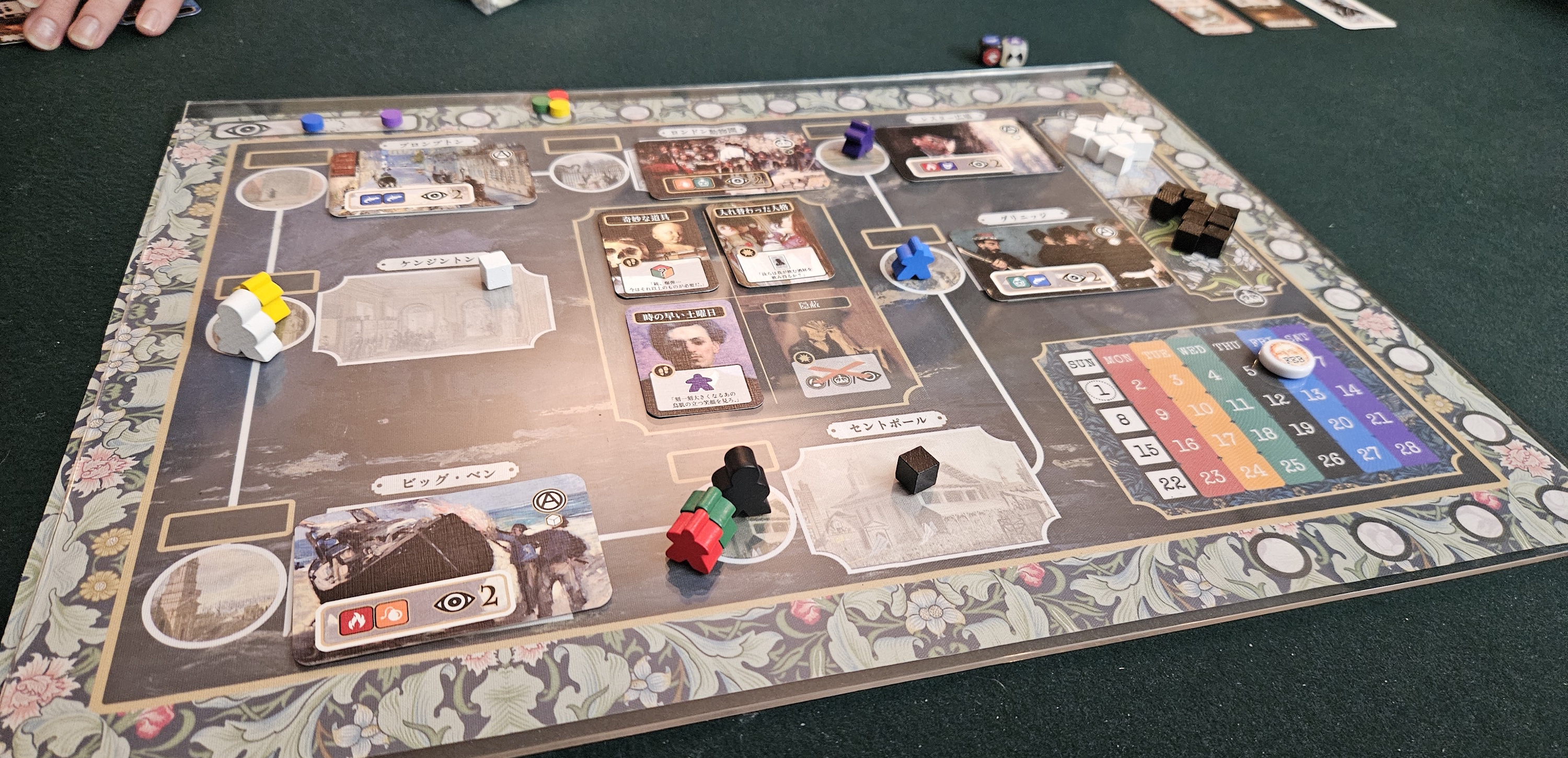
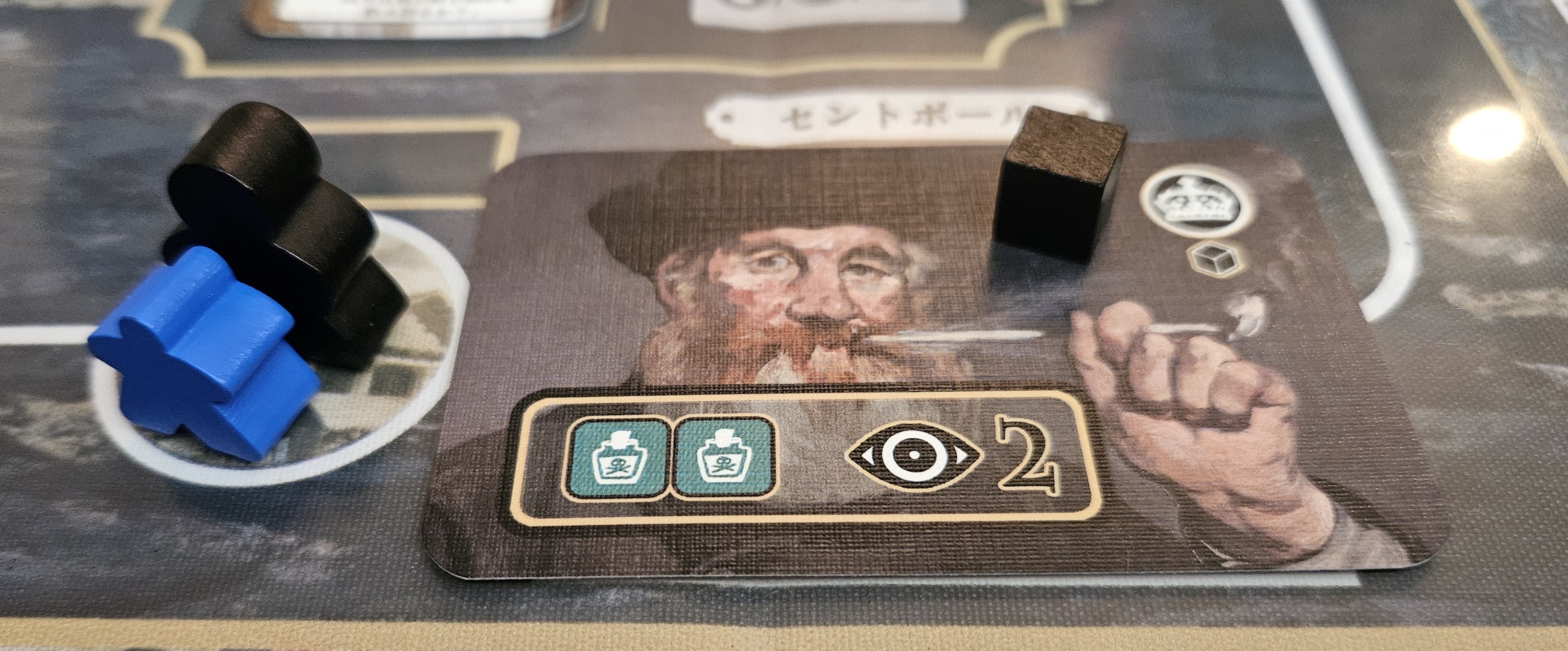
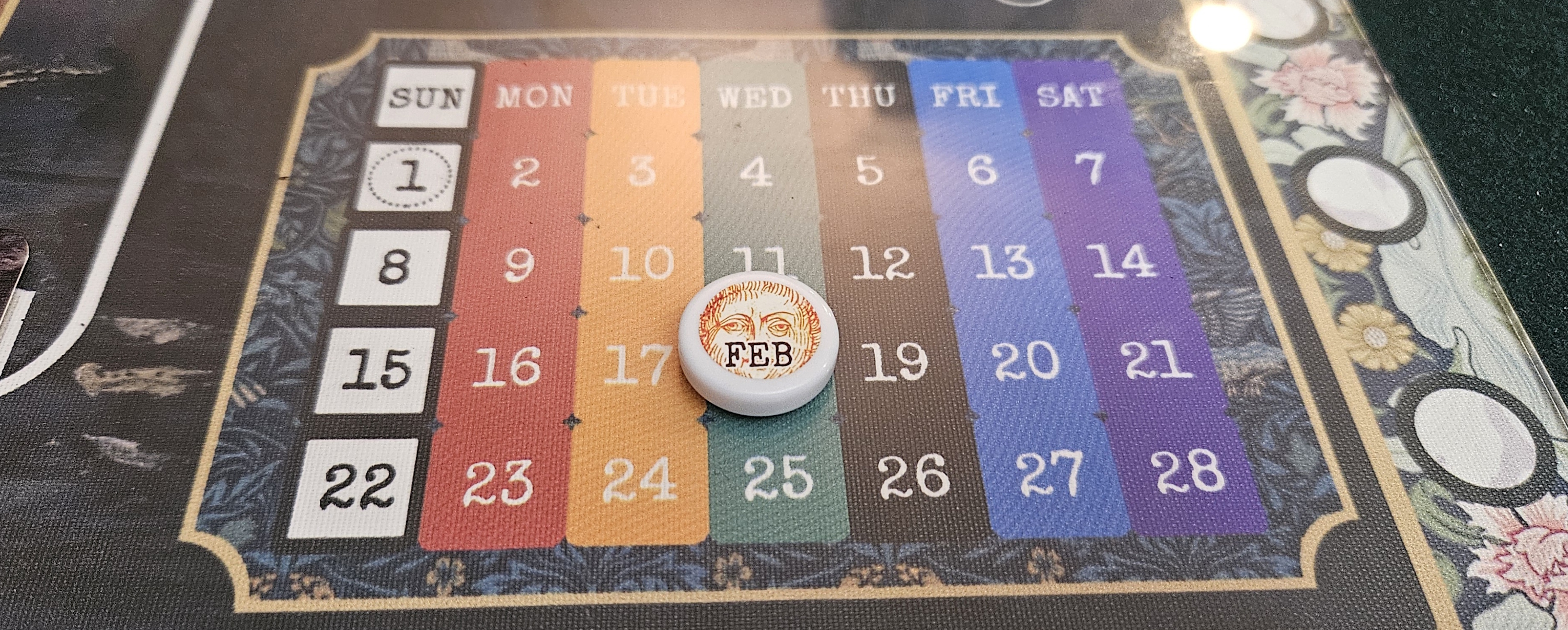
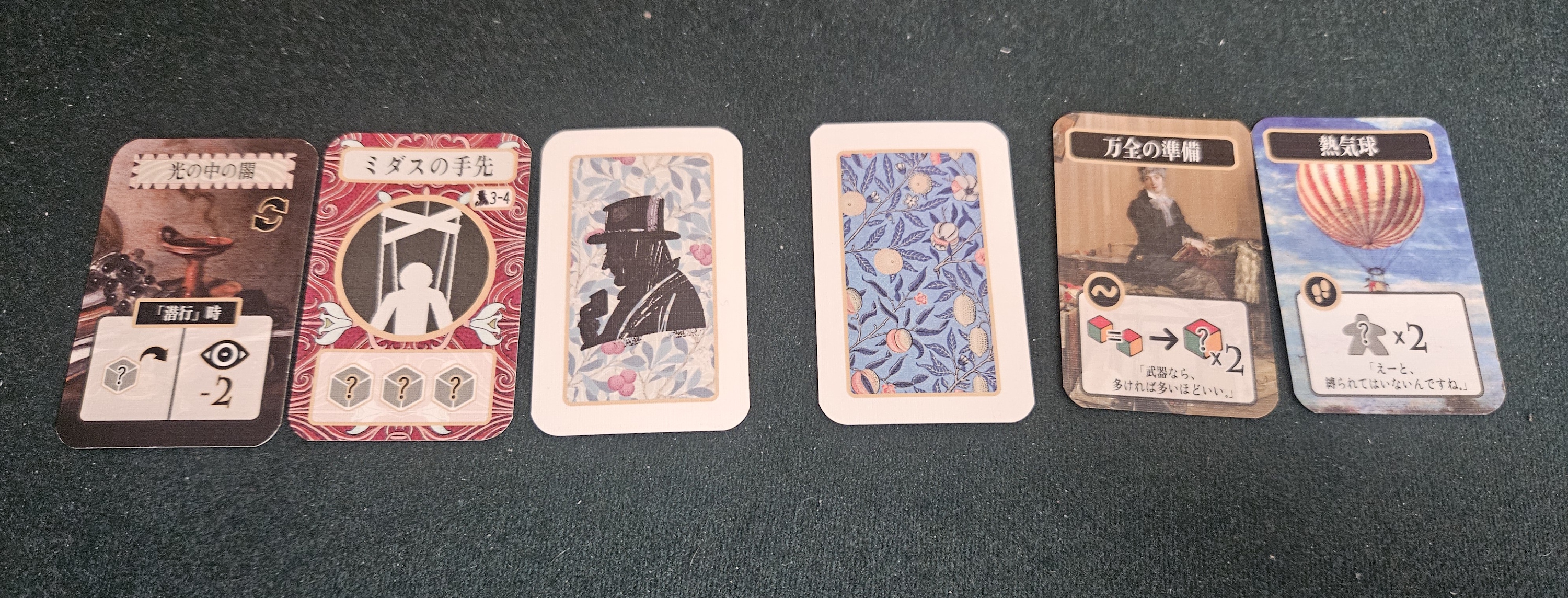
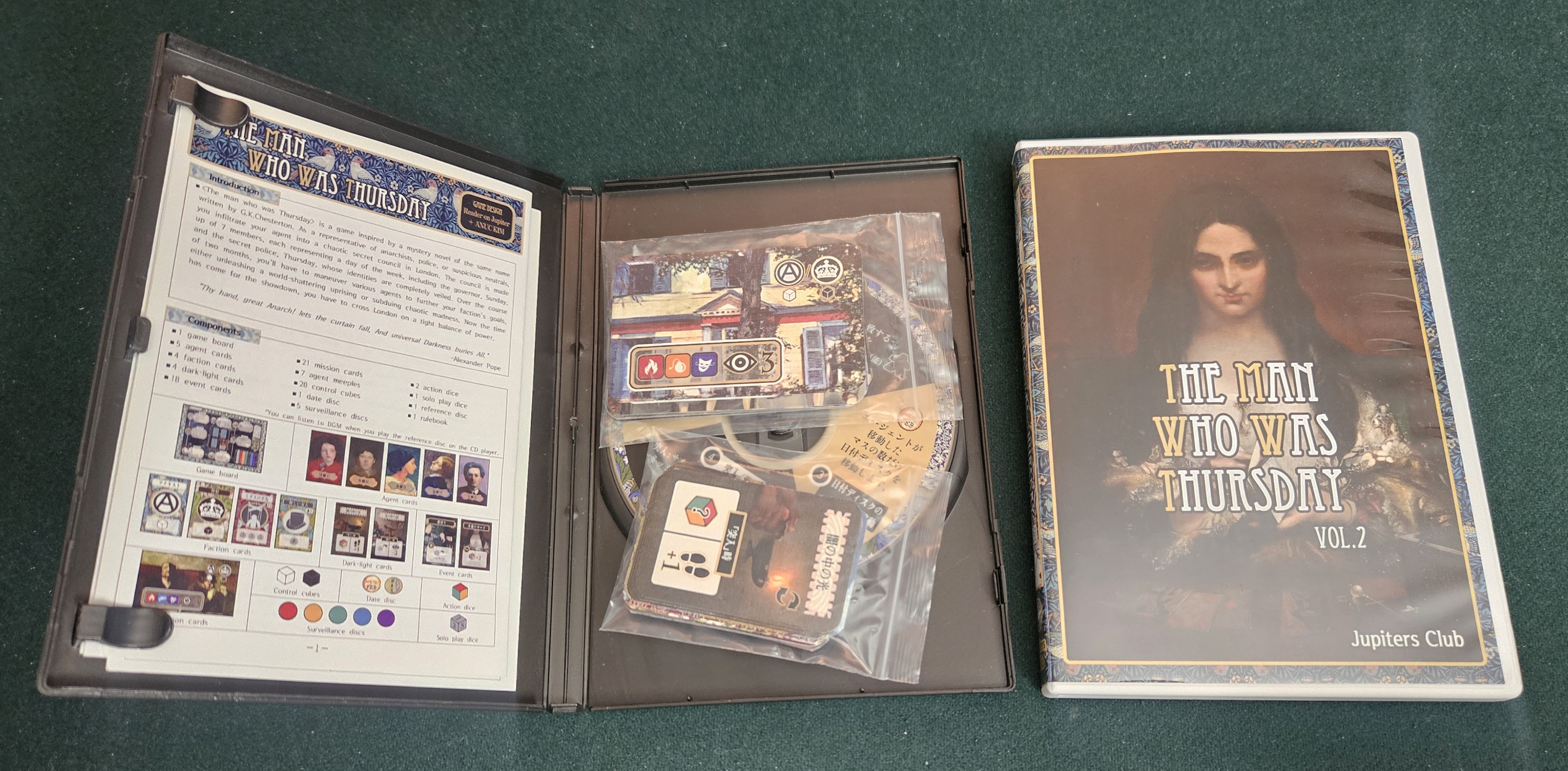


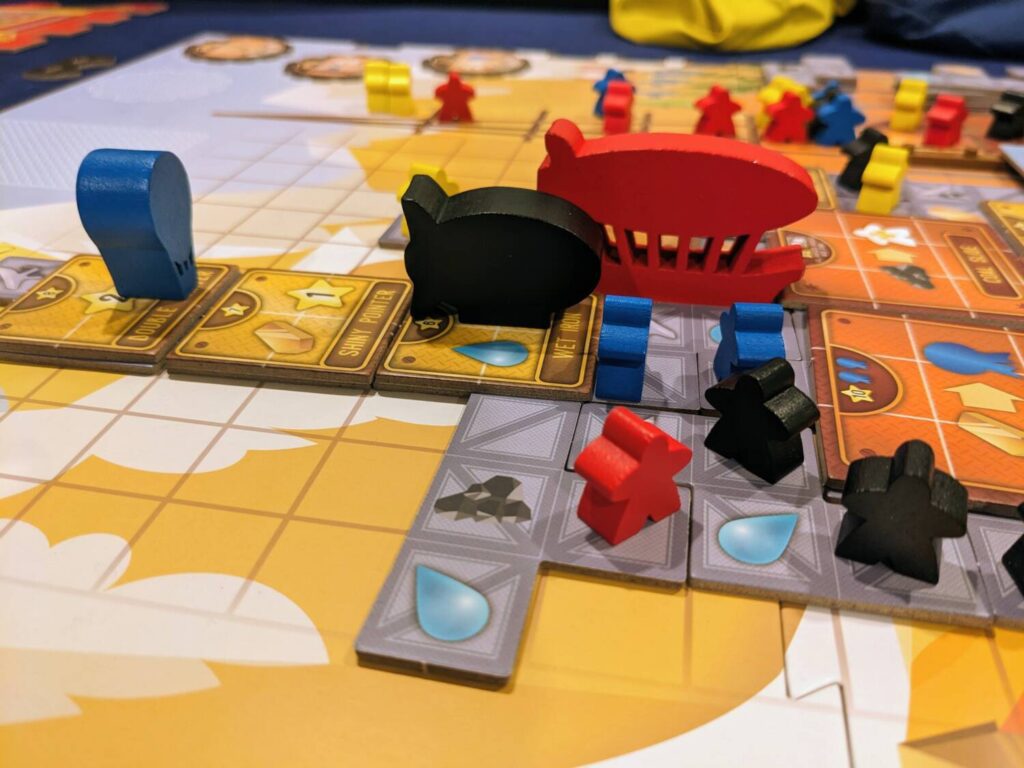
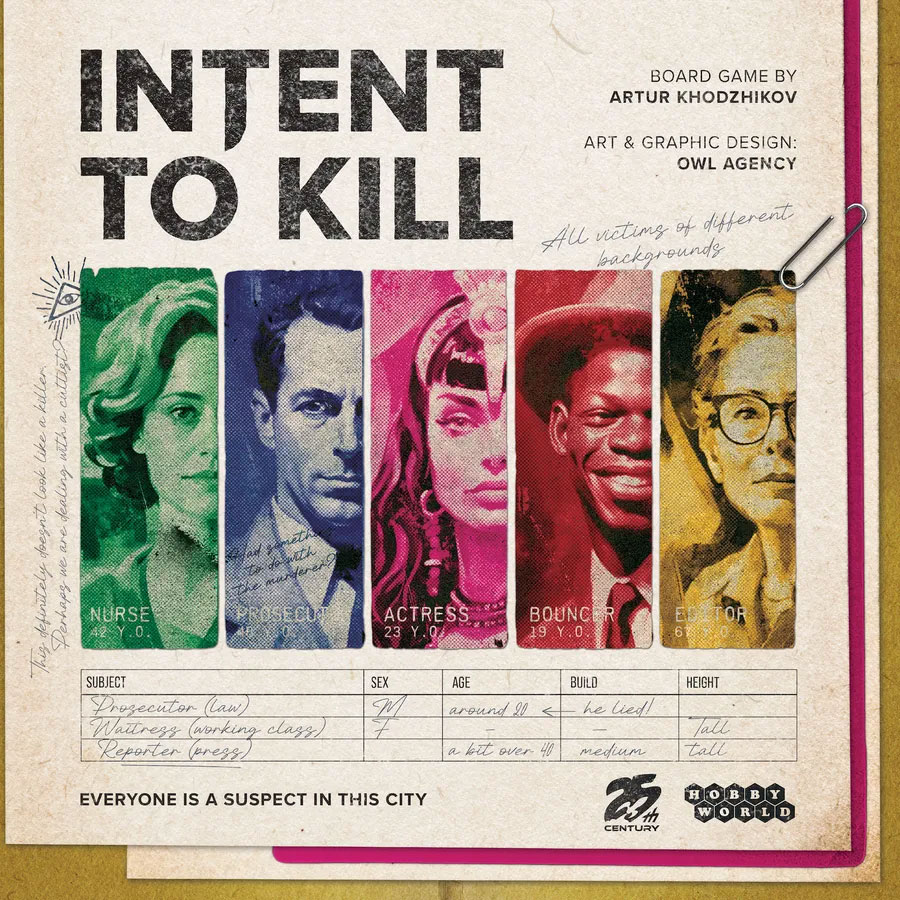
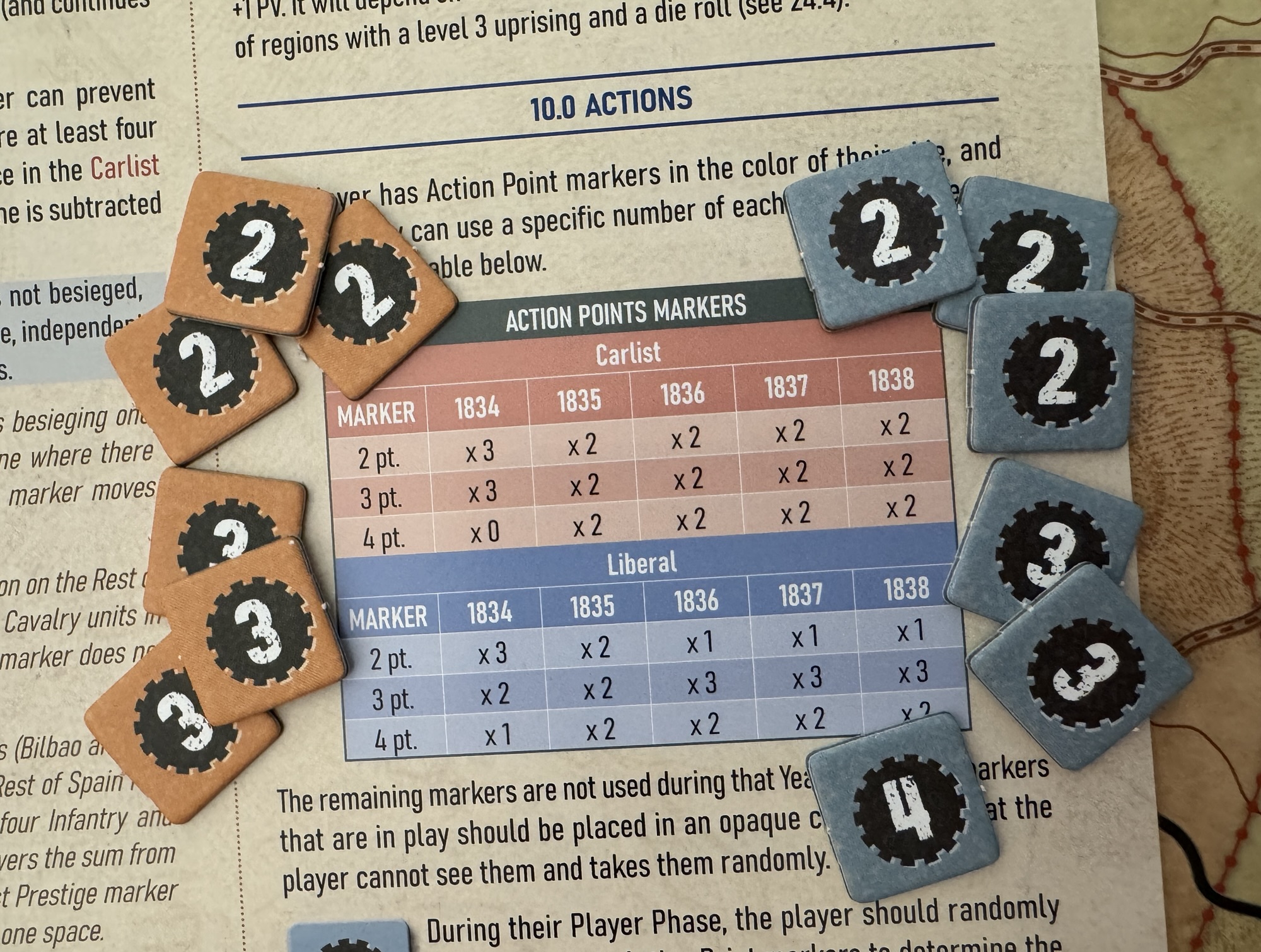


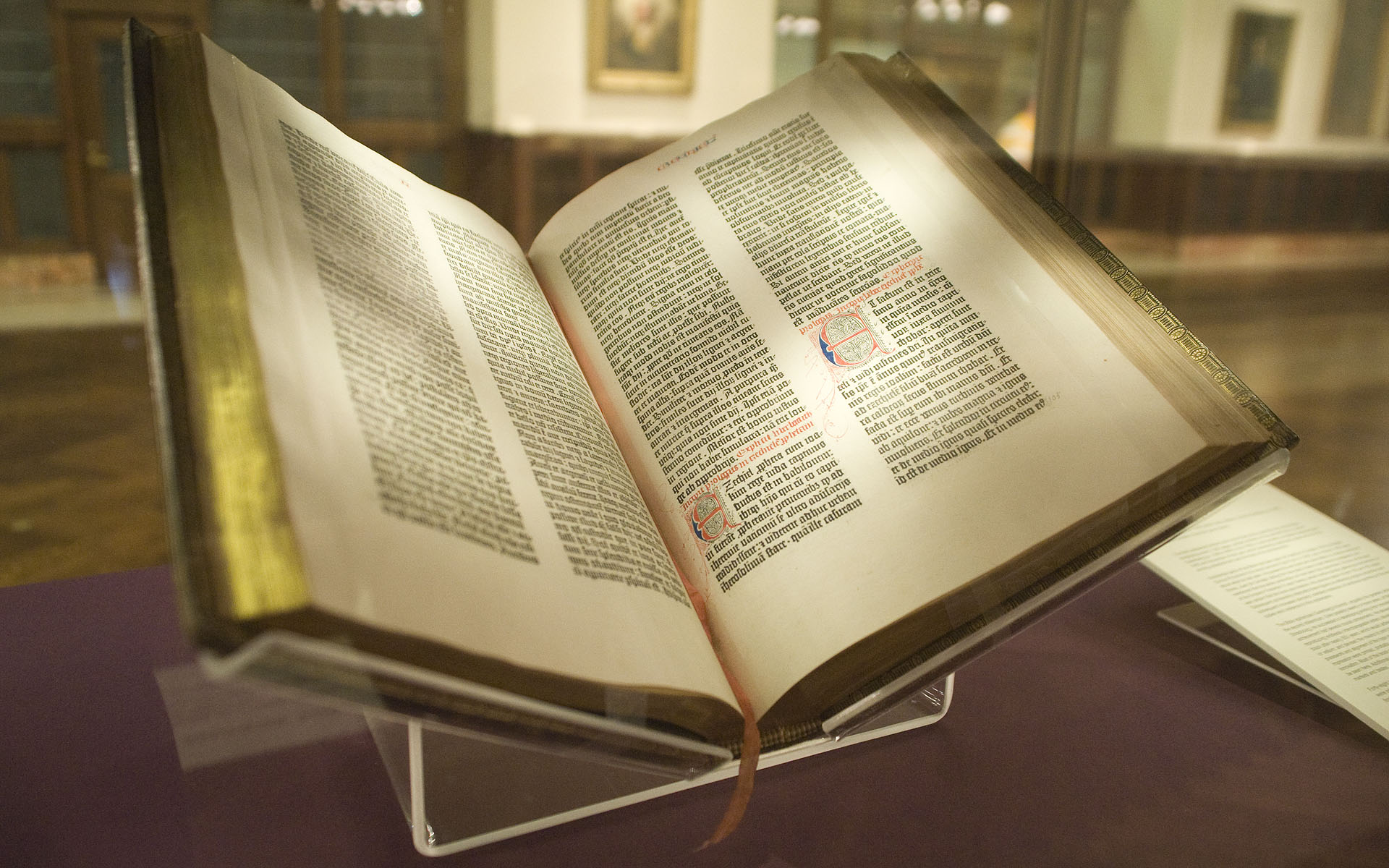
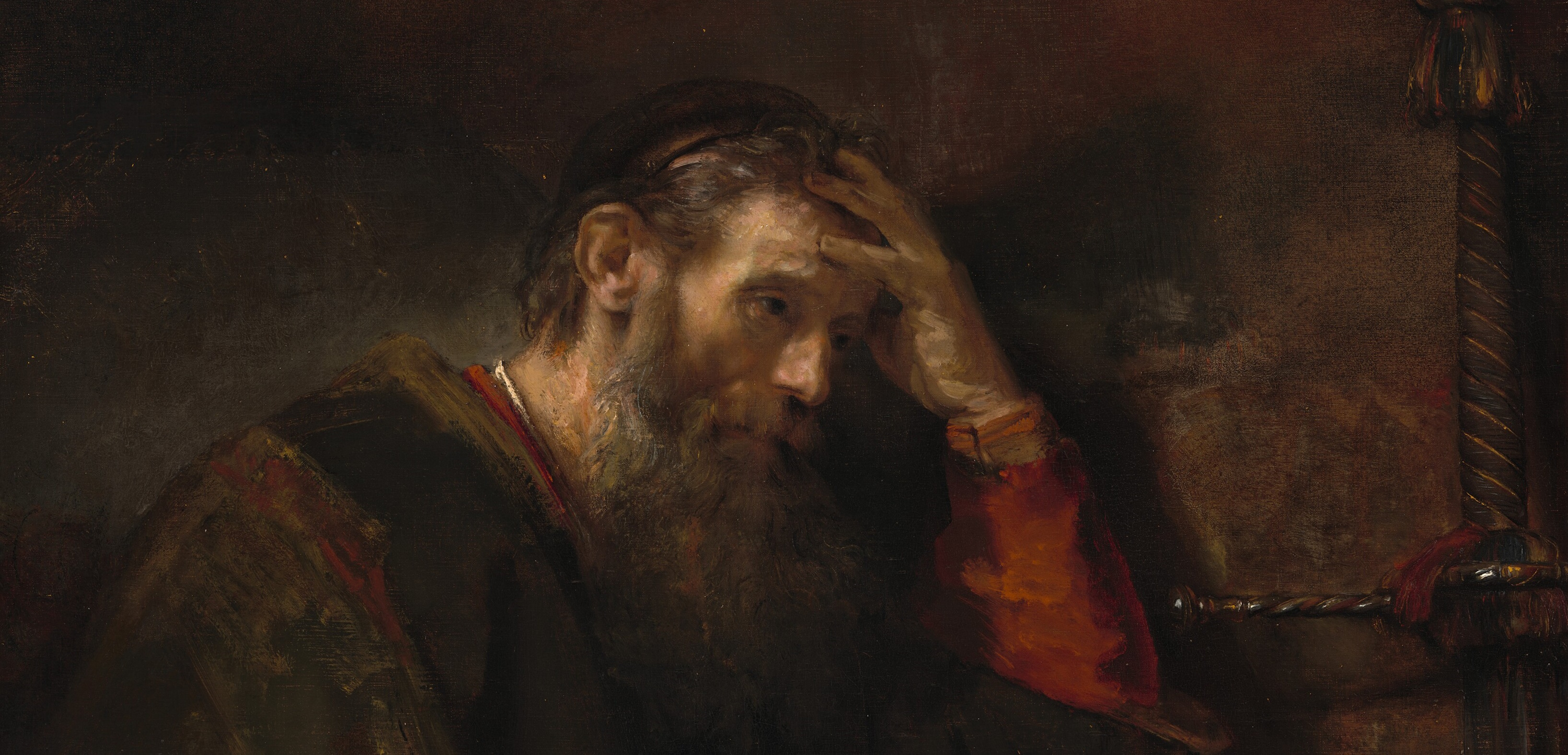
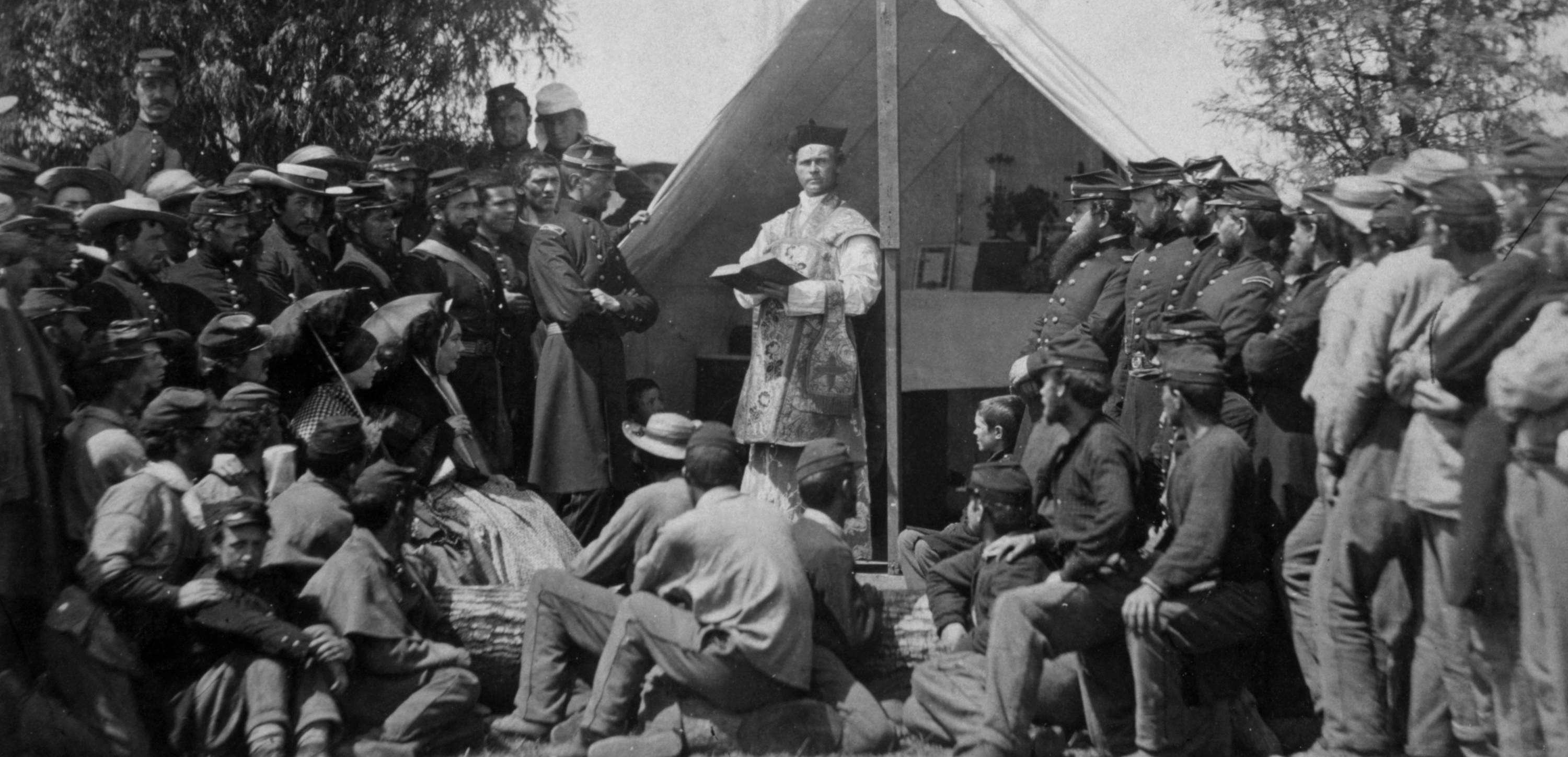

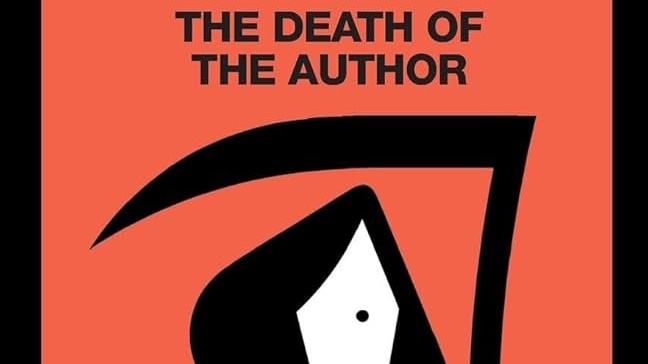
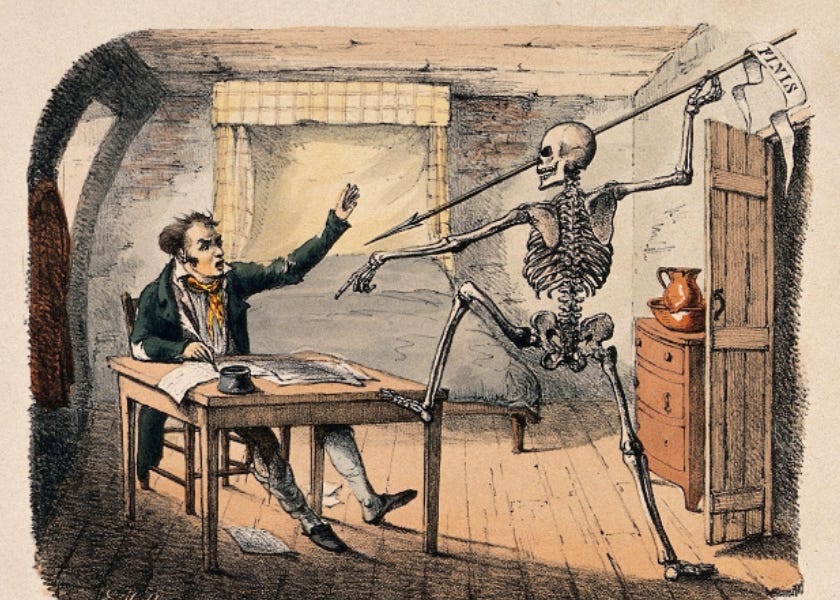
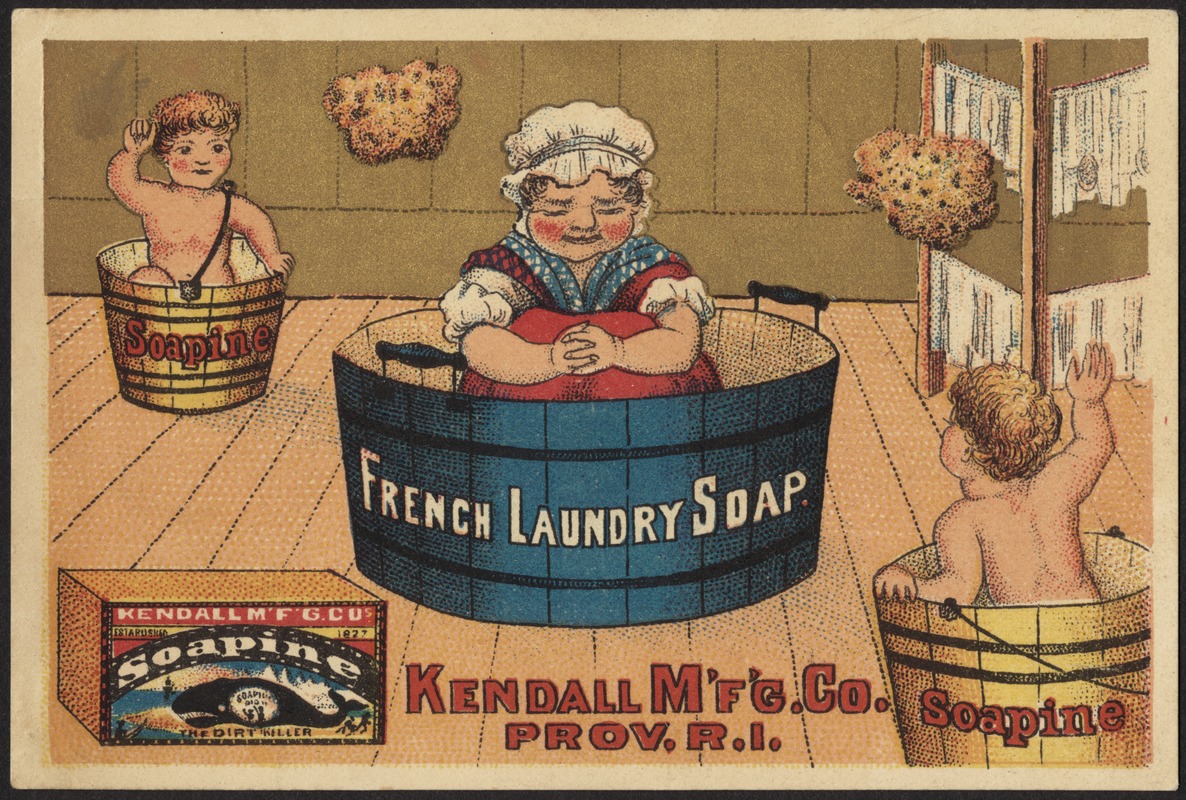


/pic9407111.jpg)