Einmal einen Rundumschlag bitte. Auf der Neuheitenschau der SPIEL Essen 2026 konnte ich mir das Verlagsprogramm der Strohman Games Neuheiten von Gibberers bis Eternal Decks zeigen lassen. Den zwischenzeitlichen Favoriten der Fairplay Scoutaktion habe ich dann am Freitag direkt gekauft, während Eternal Decks leider schon ausverkauft war. So blieb nur eine Kennenlernpartie in entspannter Dreierrunde am Messesonntag, die dramatischer verlief, als es den optischen Anschein hat. Meine Vorbestellung zum Januar 2027 steht.
Folgt mir zusammen mit Marco von Strohmann Games über das Verlagsprogramm. Im Zentrum der Vorstellung stehen bei Gibberers die Hürden und Herausforderungen, über die Entwicklung der eigenen Sprache kooperativ voranzuschreiten. Kooperation gibt es auch beim Kartenspiel Eternal Decks, das unsere Handkarten als Lebenspunkte nutzt. Was uns in 1. Kontakt zur kooperativen Hetzjagd auf ein notgelandetes Alien per Deduktion bringt. Eine Neuheit, die lang erwartet als deutschsprachige Lokalisierung vorliegt. Reingelauscht.
Am Sonntag hatte ich dann die Chance, Eternal Decks inmitten des Messetrubels von Halle 3 kennenzulernen. Routiniert erklärt von Chris von Strohmann Games, nur unterbrochen vom prasselnden Gewitterregen aufs Hallendach. Für Euch ebenso als Audio-Mitschnitt festgehalten, aber dank moderner Filtertechnologie nicht mehr störend im Hintergrund zu hören.
Was für ein Kartenritt als Messeerlebnis. Kooperativ herausfordernd, so war unsere Kennenlernpartie. Auch weil im Spielverlauf untersagt war, uns über unsere kooperative Taktik oder Karten abzusprechen. Einzig zwei Marker pro Mitspieler können anzeigen, was wir eventuell vorhaben. Missverständnisse sind so vorprogrammiert, was aber auch den Reiz und die Dramatik ausmacht. Denn unsere Handkarten sind zeitgleich Lebenspunkte und einmal gespielt, sehen wir die nie mehr wieder. Wir müssen also sehen, dass wir neue Kartendecks freispielen und zwar für alle Spieler am Tisch.
Aktive Flüche verhindern zudem, dass bestimmte Zahlenwerte gespielt werden. Blöd, wenn man die Kartenhand voll davon hat, es aber nicht äußern darf. So entstand ein hochtaktischer Drahtseilakt fernab der verbalen Kommunikation, was angenehm nervige Alphaspieler ausbremst. Wir haben zwar verloren, aber Eternal Decks war eines meiner Messe-Highlights, die ich mir für Anfang 2027 vormerke, wenn es dann wieder lieferbar sein wird. Absolute Empfehlung.
Zwei Jahre nach dem Launch von Kelp - Hai vs. Oktopus legt der deutsche Verlag Wonderbow Games nach: Seit heute, 3. November 2026, 15 Uhr MEZ, läuft auf Gamefound die Kampagne „Kelp - Shark vs. Octopus: Offshore Offspring Expansion and reprint Deluxe Edition“. Sie bündelt eine neue Erweiterung, einen Deluxe-Reprint des Basisspiels und mehrere kleinere Erweiterungen und Zubehörteile. Das Finanzierungsziel von 8.000 Euro war schon nach den ersten sieben Minuten erreicht, Stand unseres letzten Abrufs (03.11.2026, kurz nach Kampagnenstart) stehen 72.217 Euro, 903 Prozent des Ziels, bei 709 Unterstützenden, Kampagnenende ist der 18. November 2026.
Was Offshore Offspring am Spiel ändert
Im Basisspiel jagen sich Hai und Oktopus asymmetrisch durch einen südafrikanischen Kelpwald: Der Hai würfelt und patrouilliert, der Oktopus spielt Karten, versteckt sich und manipuliert das Spielfeld. Gewonnen wird auf drei Wegen: Der Hai siegt durch einen erfolgreichen Angriff auf den Oktopus, der Oktopus durch Überleben, bis der Hai erschöpft ist, oder indem er alle vier Meeresfrüchte auffrisst. Die Rollen sind damit mechanisch grundverschieden, ähnlich wie bei anderen Jäger-gegen-Gejagten-Spielen mit verdeckter Bewegung, etwa Scotland Yard oder Letters from Whitechapel, nur dass bei Kelp beide Seiten jeweils ein eigenes Kartendeck beziehungsweise einen eigenen Würfelbeutel aufbauen. Wie genau sich die Siegchancen zwischen Hai und Oktopus über mehrere Partien hinweg verschieben, lässt sich aus den uns zugänglichen Quellen nicht belegen. Meeple Mountain beschreibt stattdessen eine fein austarierte Balance auf der Kartenseite des Oktopus selbst, und nennt als möglichen Schwachpunkt passive, zähe Spielzüge auf Oktopus-Seite. Wie schnell sich daraus wirklich taktisches Spiel zwischen beiden Rollen entwickelt, bleibt in den von uns geprüften Quellen ebenfalls offen.
Die neue Erweiterung Offshore Offspring bringt laut Verlagsbeschreibung Nachwuchs ins Spiel: Der Oktopus bekommt ein neues, magnetisches Modulsystem mit wechselbaren Tarnfarben und kann Fallen für den Hai stellen, der wiederum zwei zusätzliche Jungtier-Jäger erhält und damit im Rudel jagt. Wie tief diese neuen Mechaniken tatsächlich eingreifen, lässt sich vor dem Erscheinen nur aus der Verlagsbeschreibung einordnen, eigene Praxiserfahrung gibt es dazu naturgemäß noch nicht. Mit Offshore Offspring sind es inzwischen drei Erweiterungen für Kelp (nach Brilliant Behaviours und New Pursuits), eine erkennbare laufende Produktlinie statt eines Einzelstücks.
Wer dahintersteckt
Design und Erweiterung stammen beide von Carl Robinson, die Illustrationen von Weberson Santiago, wie schon beim Basisspiel. Wonderbow Games firmiert rechtlich als Avalia Studios GmbH mit Sitz in Deutschland und entwickelt nach eigenen Angaben seine Spiele auf Deutsch und Englisch. Das Basisspiel führt der Verlag in seinem eigenen Shop regulär als deutsche Edition, ob auch die Kampagnen-Pledges selbst eine deutsche Sprachoption bieten, ließ sich auf der Gamefound-Seite nicht eigenständig bestätigen.
Zwei Spielende, kein Solomodus
Kelp ist laut BoardGameGeek ein reines Zweipersonenspiel, weder für eine noch für mehr als zwei Personen ausgelegt, ein Solomodus ist weder für das Basisspiel noch für die Erweiterung angekündigt.
Was die Pledges unterscheidet
Fünf Haupt-Pledges stehen zur Wahl, sortiert danach, was man schon besitzt und ob man nur neue Spielinhalte will oder zusätzlich Komponenten-Upgrades:
Kelp Deluxe (60 Euro): nur das Deluxe-Basisspiel, für alle, die noch gar keine Kelp-Ausgabe besitzen.
Neue Erweiterungen (44 Euro): Offshore Offspring plus die kleinere Erweiterung Amazing Adaptations, reiner Inhalts-Nachkauf für bestehende Besitzerinnen und Besitzer.
Deluxe Gameplay All-In (126 Euro): Deluxe-Basisspiel plus alle Erweiterungen, der Einstieg mit komplettem Spielinhalt.
Deluxe All-In (194 Euro): zusätzlich sämtliches Zubehör (Insert, Spielmatte, Würfeltablett, Sleeves), reine Komponenten-Upgrades obendrauf. Die 68 Euro Aufschlag gegenüber dem reinen Gameplay-Pledge kaufen bei einem Zweipersonenspiel mit überschaubarem Materialumfang vor allem Komfort, keinen zusätzlichen Spielinhalt.
All-In-Upgrade ohne Basisspiel (149 Euro): für Besitzerinnen und Besitzer der normalen Retail-Ausgabe, kombiniert das Komponenten-Upgrade-Kit mit allen Erweiterungen und allem Zubehör.
Einzelne Erweiterungen und Zubehörteile, von der Spielmatte bis zu Ersatz-Holzmarkern, lassen sich zusätzlich auch separat als Add-on dazubuchen, ebenso zwei thematisch unabhängige weitere Wonderbow-Titel (8 Dragons, Whispering Woods), die über denselben Pledge-Manager mitlaufen.
Zum Kampagnenstart sind noch keine Stretch-Goals veröffentlicht.
Lieferung und Versand
Ein konkretes Lieferdatum für die Pledges nennt die Kampagnenseite nicht, nur das Kampagnenende am 18. November 2026 als Zahlungsfrist. Versandkosten werden laut FAQ des Pledge-Managers individuell beim Checkout berechnet und nicht pauschal auf der Kampagnenseite ausgewiesen, die EU-Mehrwertsteuer ist im Pledge-Preis bereits enthalten, zusätzliche länderspezifische Steuern oder Zollgebühren schließt Wonderbow nicht aus.
Eckdaten zu Kelp: Shark vs. Octopus
Spielerzahl: 2 (fest, kein Solomodus)
Spielzeit: 40 bis 60 Minuten
Alter: ab 10 Jahren
Designer: Carl Robinson
Verlag: Wonderbow Games (Avalia Studios GmbH, Deutschland)
BGG-Wertung Basisspiel: 7,45 bei 3.776 Stimmen, Rang 1032, Schwierigkeitsgrad 2,48 von 5 (Snapshot 03.11.2026)
Gamefound-Kampagne: 8.000 Euro Ziel, 72.217 Euro bei 709 Unterstützenden (903 Prozent, Snapshot kurz nach Start am 03.11.2026), Laufzeit bis 18.11.2026
Was wir davon halten
Das Basisspiel hat sich seit seiner eigenen, erfolgreichen Kickstarter-Kampagne eine stabile Fangemeinde erspielt, auch bei uns war es 2024 ein Thema. Eine Erweiterung plus Deluxe-Reprint ist der naheliegende nächste Schritt für ein Spiel mit so klarer Zielgruppe, und das Tempo, mit dem das Ziel gerissen wurde, deutet auf eine eingespielte Unterstützerbasis hin, nicht zwingend auf ein neues Massenpublikum. Wer das Original schon kennt und mehr Hai-gegen-Oktopus will, findet hier ein sauber differenziertes Pledge-System, wie bei jeder Vorbestellung bleiben Liefertermin und Versandkosten bis zum Checkout offen. Wer noch unsicher ist, kann getrost abwarten: Das Basisspiel bleibt auch unabhängig von der Kampagne über den regulären Handel erhältlich.
Security arrangements at the world’s biggest board game fair have come under scrutiny after six thefts were reported during setup and dismantling at this year’s Spiel Essen – including €14,000 of stock and equipment being stolen from a publisher overnight.
Show organiser Merz Verlag told BoardGameWire all six incidents are believed to have occurred when access to the exhibition halls was restricted, despite Messe Essen venue security being in place throughout those periods.
The thefts have prompted complaints from affected businesses about security at Spiel Essen and the assistance they received – while Merz Verlag has stressed that exhibitors are responsible for protecting their own property, even outside public opening hours.
French tabletop games company Tossit was among the worst affected exhibitors this year, claiming that about €14,000 of merchandise, equipment and tools disappeared from its stand in Hall 6 overnight following the convention’s final day.
Company co-founder Gaëtan Ekszterowicz said in a LinkedIn post that his team left the stand at around 10.45pm on Sunday, October 25, intending to finish dismantling the following morning – but returned at 8am to discover more than 500 units of merchandise and other equipment had disappeared.
That included tools stored inside the stand furniture, leaving the company without even the equipment needed to complete dismantling its booth.
Ekszterowicz estimated that removing the stolen goods would have taken at least 35 to 45 minutes, raising questions about how such a large quantity of merchandise could have been removed from an exhibition hall overnight.
Another exhibitor, tabletop accessories seller The Rolling Inn, said €4,000 in cash – representing its entire convention takings – was stolen during dismantling on Sunday evening.
A third theft was reported by Julian Hill of board game media outlet Boxed Meeples, who said on Instagram that his bag was taken from the Paverson Games stand during a team meeting on Wednesday October 21, the day before SPIEL opened to the public.
Hill said the bag contained money, payment cards, camera and sound recording equipment, as well as recordings of interviews he had already conducted at the convention.
The Paverson Games booth, left, in Hall 4 of Spiel Essen 2026
Spiel Essen’s organisers have also been criticised by Tossit’s Ekszterowicz and The Rolling Inn for their response to the thefts.
Ekszterowicz claimed representatives of SPIEL Essen and Messe Essen laughed at its team and failed to take their complaints seriously – as well as alleging that a member of staff attempted to grab a phone from his company’s marketing manager during an exchange about the incident.
“No representative of Merz Verlag laughed at members of Tossit’s team or grabbed a phone,” a Merz Verlag spokesperson told BoardGameWire.
They said, “Tossit wanted to film an exchange between them, Messe Essen and Merz Verlag which members of Messe Essen denied due to them not wanted to be taped, referring to personal rights.”
Asked about allegations from Tossit and The Rolling Inn that they received little or no assistance, the spokesperson said, “The team of SPIEL Essen takes every reported theft seriously and helps in the best of our abilities and in making contact to the police.
“Our team was also on site and talked with exhibitors. At the moment we are collecting information to may be able to help further.”
Merz Verlag said police had been informed of the incidents, and that it was cooperating with investigations.
The spokesperson added, “In total six thefts were reported to us this year, ranging from tablecloths, to some cases of games, to cash and equipment, the examples you mention already included.
“To our knowledge these cases took place during set-up or dismantling. In 2025 fewer incidents have been reported, none in the scale we see with Tossit. “
Merz Verlag said venue operator Messe Essen provided security throughout setup and dismantling, with access restricted to exhibitors, people holding setup and dismantling passes, event staff and security personnel.
It added that exhibitors were regularly reminded that they were responsible for protecting their own property, and could pay for dedicated guards to secure their stands outside public opening hours.
Ekszterowicz said in his LinkedIn post, “I don’t expect organizers to prevent every theft. But at the very least, I expect them to take this kind of situation seriously and have cameras installed inside the entrance halls. The complete absence of surveillance cameras is also shocking.”
The Merz Verlag spokesperson confirmed to BoardGameWire that no CCTV was covering the booths which suffered thefts.
Wargamer also received a response from Tom Kraayvanger, the press leader at Spiel Essen venue operator Messe Essen, who said the venue operator was taking into account “data protection requirements and the privacy rights of the many people present on the exhibition grounds during an event and its set-up and dismantling phases”.
He said: “When large numbers of people are moving goods, material and equipment at the same time, camera footage does not make it possible to distinguish between the legitimate removal of items and their unauthorized removal”, adding that “comprehensive video surveillance could not guarantee complete protection against theft”.
The incidents also follow a series of reported thefts at SPIEL stretching back at least a decade – including more than $20,000 in combined losses reported by six publishers in 2018, when affected companies called for improvements to security.
Asked whether the latest incidents would prompt changes to security arrangements for SPIEL Essen 2027, Merz Verlag said it was still evaluating the situation.
“We are gathering information and evaluate the situation,” the spokesperson said. “At this early stage we cannot say anything regarding future arrangements.”
The world’s largest board game fair once again sold out all four days this year, drawing 10,000 more visitors than in 2025 after expanding into an eighth exhibition hall and taking over the entirety of the Messe Essen exhibition centre – its home for over 40 years – for the first time.
But that ability to squeeze in larger and larger crowds has now reached its limit, Merz Verlag managing director Carol Rapp confirmed to BoardGameWire, with any further growth set to come via new events and experiences rather than increased attendance or exhibition space.
SPIEL Essen 2027 is scheduled to take place from October 21 to 24.
I’m tailor-made to enjoy “weeknight” 18xx-style economic route building games.
I heaped praise on the game Railways of the Lost Atlas in my 2024 review, with the (at the time) new publisher Asterisk Games doing yeoman’s work with a system some people think of as stodgy, tired, and certainly bland-looking. “ROTLA”, as it is known here at home, is one of the best-looking productions in my collection and comes with a heaping amount of variety thanks to its flexible player count, short and long-form play format, and a hex map that is literally built by the players each time the game hits the table.
If you haven’t heard of Railways of the Lost Atlas, please read my previous review. When the game’s first expansion, Landmarks of the Lost Atlas, was announced, I didn’t even reach out for a review copy…I ponied up the cash to get the expansion along with updated versions of the game’s base rules and a solo mode rulebook, developed after the release of the base game.
If you liked Railways of the Lost Atlas, you have already backed and are working through the goodies in Landmarks of the Lost Atlas. And if you have not tried either, my feelings haven’t changed: for anyone who loves a good Euro and wants to wade into…
Here’s my early assessment of the Chris Couch Games catalog: comfy.
Jingle Bell Roll is the second game I’ve reviewed from Chris Couch, after my foray into the garden with Garden Club a few weeks ago. Jingle Bell Roll is holiday Yahtzee, both in terms of feel and in terms of its ruleset, as players try to score the most points across five rounds by using sets of gingerbread cookies, milk, gifts, bells, holiday wishlists and stockings to put together winning rolls.
Designed by Marcus Ross—a co-designer of the 2023 Ravensburger title The Lord of the Rings Adventure Book Game—Jingle Bell Roll is so cozy that the word “cozy” is used in the BGG description of the game. Across plays with my family and with my “review crew”, Jingle Bell Roll announces itself as a light, friendly filler right away.
Each player is given a cute, well-illustrated character card with a once-per-round power. When one player scores gift rolls, other players get bonus action cards. Players who roll exactly two Santa’s List faces can score seven points…because “he’s making a list, and checking it twice”, as the song goes. There are so many ways to generate rerolls in this game that it’s surprising how…
Seit dem 2. November 2026 ist Point City laut offizieller BGA-Forum-Ankündigung auf Board Game Arena spielbar, Umsetzung: Studio Tchobello. Es ist der Stadtbau-Nachfolger des Kartenspiel-Hits Point Salad vom selben Designer-Trio, wer mit Punktesalat großgeworden ist, findet hier dieselbe Draft-Idee in komplexerer Form. Wer dagegen die deutsche Ausgabe Punktestadt im Laden sucht, hat es derzeit schwer: Mehrere deutsche Händler führen sie als ausverkauft oder nicht mehr lieferbar, auch beim Verlag selbst ist sie aktuell nicht verfügbar.
Vom Punktesalat zur Punktestadt
„From the team that brought you the smash hit Point Salad“, schreibt Designer-Trio Molly Johnson, Robert Melvin und Shawn Stankewich selbst über Point City auf BoardGameGeek, und meint damit mehr als nur dieselben Namen auf der Schachtel. Point Salad ist ein reines Draft- und Set-Collection-Kartenspiel für 2 bis 6 Personen, mit einem BGG-Schwierigkeitsgrad von 1,15 von 5 eines der leichtesten Familienspiele überhaupt. Point City übernimmt das Draften, baut aber ein waschechtes Engine-Building obendrauf, also einen Spielmotor aus Gebäuden, der ab dem Moment der Konstruktion von selbst weitere Vorteile liefert: Gebäude liefern permanente Ressourcen für spätere Züge, es gibt Bonusplättchen für bestimmte Kombinationen, und die Spielerzahl sinkt auf 1 bis 4. Die Altersfreigabe bleibt bei 10 Jahren wie beim Vorgänger, der Komplexitätssprung ist aber spürbar: Mit Schwierigkeitsgrad 1,70 statt 1,15 braucht Point City mehr Vorausplanung, Familien, die Punktesalat als Einstieg kennen, sollten sich darauf einstellen. Die deutschsprachige Rezension von Brettspielbox bringt es auf den Punkt: Wer beim Draften immer auch mitdenken muss, welche Kombination sich finanzieren lässt, hat spürbar mehr zu tun als beim leichteren Vorgänger.
Wie man in der Stadt baut
Gespielt wird über ein 4x4-Kartenraster, aus dem jede Person pro Zug zwei orthogonal benachbarte Karten nimmt, wahlweise auch die oberen zwei Karten vom Nachziehstapel, von denen nur die erste bekannt ist, die zweite bleibt verdeckt. Ressourcenkarten bezahlen damit Gebäudekarten, manche Gebäude liefern wiederum dauerhafte Ressourcen für kommende Züge. Die sechs Ressourcentypen unterscheiden sich laut Rulebook nicht nur per Farbe, sondern auch über ein eigenes Icon (Blatt, Blitz, Person, Zahnrad, Dollarzeichen, Stern) und einen Textnamen. Gebäude mit Bürgersymbol bringen zusätzlich ein Bürgerplättchen, das am Spielende Bonuspunkte für bestimmte Ressourcenkombinationen bringt, das Bürgersymbol ist dabei ein einzelnes, wiederkehrendes Icon, keine Symbolvielfalt zum Auswendiglernen. Nach genau 17 Runden pro Person ist der Nachziehstapel leer, das Spiel endet. Einen Ausgleichsmechanismus für einen schwachen Start nennt das Rulebook nicht, zwei Sicherheitsventile gibt es aber: Ingenuity-Ressourcen wirken als Joker für jeden Rohstofftyp, und wer mit dem Markt unzufrieden ist, kann jederzeit zum Nachziehstapel wechseln. Für den Soloeinstieg gibt es einen KI-Gegner, der nach einem festen, vorhersagbaren Muster über zwei textbeschriftete Markt-Marker durchs Kartenraster wandert. Im Mehrspielermodus sind diese Marker laut Rulebook nur eine optionale Gedächtnisstütze, im Solomodus dagegen notwendig, weil sie dort die einzige Möglichkeit sind, die Zugposition der KI zu verfolgen. Es gibt drei wählbare Schwierigkeitsgrade von leicht bis schwer. Am Familientisch mit Kindern oder beim ersten Mal dürfte eine Partie eher Richtung 45 statt der offiziellen 15 bis 30 Minuten dauern.
Premium-Titel, aber mit Einstieg für alle
Wichtig für alle, die jetzt direkt loslegen wollen: Point City läuft auf Board Game Arena als Premium-Titel, wie wir bereits erklärt haben, braucht also mindestens eine spielende Person mit entsprechender Mitgliedschaft, die den Tisch eröffnet. Mitspielen können danach auch Nicht-Premium-Mitglieder kostenlos, einen eigenen Tisch oder eine Solopartie ohne Premium-Mitgliedschaft eröffnen aber nicht. Schon knapp 18.400 gespielte Partien zeigen, dass die Hürde viele nicht abschreckt. Die Plattform selbst läuft auf Deutsch, und weil Point City Kosten und Effekte überwiegend über Icons und Zahlen statt über Fließtext kommuniziert, bleibt die Sprachhürde klein, eine vollständig deutsche Übersetzung der Gebäudenamen auf BGA ließ sich allerdings nicht zweifelsfrei bestätigen.
Eckdaten zu Point City
Spielerzahl: 1 bis 4
Spielzeit: 15 bis 30 Minuten
Alter: ab 10 Jahren
Designer: Molly Johnson, Robert Melvin, Shawn Stankewich
Verlag: Flatout Games und Alderac Entertainment Group (Original, 2023), deutsche Fassung „Punktestadt“ seit 2023 bei Skellig Games, aktuell nicht lieferbar (24,90 Euro UVP, Stand 03.11.2026)
Auf Board Game Arena: Premium-Titel, spielbar seit 2. November 2026
BGG-Wertung: 7,12 bei 5.202 Stimmen, Rang 1139, Schwierigkeitsgrad 1,70 von 5 (Snapshot 03.11.2026)
Was wir davon halten
Für alle, die Punktesalat kennen und mehr wollen, ist der digitale Zugang gerade jetzt eine gute Gelegenheit: Die deutsche Papp-Ausgabe ist schwer zu bekommen, Board Game Arena bleibt bis auf Weiteres der verlässlichste Weg, um Point City überhaupt zu spielen. Für Familien, die mit Punktesalat schon vertraut sind, und für Kennerspielerinnen und -spieler, die etwas mehr Tüftelei suchen, lohnt sich der Blick.
AI giant Anthropic has introduced new restrictions which attempt to stop its Claude coding software from recreating existing games, amid generative AI providing the capability to quickly spin up unauthorised digital clones and reskins.
The changes were spotted in Claude Code’s instructions around October 27, with two new sentences telling the software: “Do build original games, games in a genre, and games from the user’s own designs and assets”, and “Don’t build a recreation of a specific existing game, even if it is renamed or called original”.
Anthropic technical staff member Addy Osmani confirmed the changes in a post on X, saying the company had introduced the restrictions because using Claude to infringe intellectual property rights was already against its usage policy.
Board games are vulnerable to AI-generated imitations because their underlying gameplay mechanics generally cannot be protected by copyright – while generative AI also makes it easier to reproduce those systems digitally, and create alternative imagery and text without directly copying the original game’s protected material.
Unauthorised online versions of board games are not a new phenomenon, with publishers having faced challenges controlling digital recreations of their titles long before AI coding tools became widely available. But generative AI potentially makes such recreations much easier to produce, lowering the technical expertise, time and cost needed to turn an existing tabletop game into a playable digital version.
Colonist.io, which was launched in 2017 as Katan.io before rebranding in 2019, openly markets itself as a free alternative to Catan, closely reproducing the original game’s rules, gameplay and visual layout while using different artwork. The platform reported 60 million games played and 3.6 million active players across 2025.
Colonist.io states clearly on its website that it has no association with Catan, and argues that its game is legal under US law, citing guidance from the US Copyright Office that gameplay methods cannot be protected by copyright.
A 2022 study published in the Iowa Law Review highlighted the Catan rights holders’ apparent decision not to pursue legal action against Colonist.io, contrasting it with an earlier incident in which an Android imitation called Island Settlers was withdrawn following a cease-and-desist notice from Catan’s lawyers in 2011.
The new restrictions have already affected attempts to recreate published tabletop games, including a Claude Code user who reported being refused help to build a private online version of an unnamed, commercially released co-op board game.
The user wanted to create a password-protected version allowing friends to play remotely, including one unable to attend in-person sessions, and to introduce AI-controlled players to study the game’s strategy.
Claude refused despite the user specifying that the adaptation would not be publicly distributed, instead offering to help develop an original game using similar co-op and limited-information mechanics.
A separate complaint came from wargame publisher Raymond Weiss, whose Conflict Simulations business has released around 30 tabletop titles since 2017- including three nominees for the Charles S Roberts Awards, one of the longest-running awards honouring conflict-focused tabletop games.
He reported on GitHub that Claude Code had begun refusing to continue work on adaptations it previously supported, although he acknowledged that he did not hold licences from the publishers whose games were being adapted.
The restrictions are, of course, limited to Anthropic’s own software. In a November 2 blog post, Weiss said he had already resumed the work interrupted by Claude’s refusals using rival AI coding tools OpenAI Codex and Kimi.
I don’t often receive boxes of bullets in the mail. Or even boxes of bullet casings. Because COINTELPRO: The Assassination of Fred Hampton doesn’t actually include bullets, only the spent brass that would normally hold the projectiles. When the game arrived, I hefted the entire handful. Ten casings, nine millimeter, five different manufacturers. Primers burnt. Cordite faint but noticeable.
Fred Hampton was shot four times. Twice in the initial barrage from outside the apartment where he slept, possibly drugged by his head of security and FBI informant William O’Neil; twice more at close range after officers realized he was still alive. He was the deputy chairman of the Black Panther Party of Illinois, but the crime that had drawn the FBI’s attention wasn’t any particular clash between the Black Panthers and the police, nor even the Rainbow Coalition he had formed with poor white Southerners and Puerto Ricans. No, it was the party’s Free Breakfast Program for neighborhood kids that had drawn J. Edgar Hoover’s ire.
Building the Chicago chapter of the Black Panther Party… and infiltrating it.
COINTELPRO: The Assassination of Fred Hampton is a board game designed by Keith DeViere Donaldson and illustrated by Jane Kenn. Unlike most board games that tackle serious topics, it isn’t the domain of multi-use event cards and global maps. Matthias Cramer’s Watergate lands a bit closer, but still doesn’t quite capture the deep abstraction of Donaldson’s approach. If anything, this belongs to a different tradition, one simultaneously older and more radical. This is the domain of games like Suffragetto, with its rows of truncheon-wielding bobbies and martial-artist suffragettes. Like Guerrilla Checkers, with its general infantry marching along different leylines than its slinking insurgents.
Which isn’t to say the game isn’t evocative. Quite the opposite.
There are two sides. One player is Fred Hampton. The other is William O’Neil. The board is presented as a pyramid of ten cards, drawn and constantly refreshed from a deck of sixty. These cards are evenly divided between two dramatically different aesthetics. Hampton’s cards, illustrated by Kenn, are portrayed as panels from a graphic novel about the deputy chairman’s life. In one, he speaks at the funeral of a slain comrade; in another, he shares his famous quote about how you can kill a revolutionary but not the revolution. The others are shown as memos within the FBI, typed and sterile and hidden from public disclosure. These cards, once arranged on the table, become a conceptual representation of the Black Panther Party of Illinois. When a bullet is on a card, it has been infiltrated. O’Neil’s goal is to infiltrate the entire organization. Hampton’s is to clear the board or, barring that, to survive until the deck has been emptied.
What follows is a tense dance between Hampton and O’Neil. By removing cards from the pyramid, others tumble into their place. This lets both sides manipulate the structure of the organization, but never with much ease. Meanwhile, the placement of O’Neil’s bullet casings becomes a matter of utmost importance. At the end of every turn, whichever side controls the most “clean” cards at the bottom of the pyramid gets to either add or remove another casing. The problem for Hampton is obvious, but organizational corruption also prevents O’Neil from commanding as much sway as he would prefer. Back and forth it goes, cards and casings shifting, until the noose either cinches tight or slips free.
Hmm. Suspiciously political, if you ask me.
It’s easy to be dismissive of abstract games. When playing COINTELPRO, there’s little need to think about the particulars of Hampton’s assassination. How many of the Black Panthers’ most violent engagements were directly encouraged by O’Neil, for example, or the backdrop of oppression that functions as necessary context for the rest of the game. Devoid of background, don’t these games dissolve into something else entirely?
To some degree, this is true. One doesn’t need to read the damning FBI memos or sequence the graphic novel to receive a flipbook overview of Hampton’s life, accomplishments, and betrayal in order to operate COINTELPRO purely as a wind-up monkey. Of course, that misses the point of many board games. But it would also be a mistake to brush off Donaldson’s design as overly abstract. When examined closely, a number of little touches put the player in the headspace of its actors.
For one thing, COINTELPRO is subtly asymmetrical, giving both sides access to a private action that can do as much harm as good. For O’Neil, this is his ability to escalate the party’s activities. This adds another bullet to the board, but at the price of discarding a pair of cards from the deck. In essence, he has encouraged more radical action, putting the party in danger, but also made it more likely for Hampton to survive in the long run if he can overcome the current crisis. Meanwhile, Hampton can “bad-jacket” his cards, removing a clean Black Panther to also sweep a bullet from an adjacent card. By casting suspicion on his own people, he slowly isolates the bad apples tossed into the barrel by O’Neil — usually a bad idea, but one that can prove useful when Hampton’s back is against the wall.
But the real distinction is born out in the basic gameplay. Simply put, it’s easier to build than to destroy. Hampton’s goal is to create something durable, while O’Neil’s is to chip away at the foundations until the entire structure comes crumbling down. This quickly gives both sides a distinct emotional register. Playing as Hampton is an exercise in frustration: you carefully position your cards, ensure the removal of any one operative won’t result in catastrophe, and then watch as your unseen foe still manages to undermine your best efforts. On the other side, playing as the informant feels weaselly and cheap. It helps that the basic game is unbalanced in O’Neil’s favor, placing the extra brawn of Big Brother on his side.
Curiously, there’s an advanced variant that includes a card market that allows Hampton and O’Neil to replace unfriendly cards. This is the more balanced way to play, but it also sheds Hampton’s sense of swimming upstream. I’m glad it’s included, if only because it gives us little dials that show Hampton and O’Neil directly. But it feels like a concession to those who bellyache nonstop about balance. There was nothing balanced about the contest between Fred Hampton and the surveillance apparatus of the United States. The clue’s in the name. COINTELPRO, the FBI program that infiltrated and discredited progressive organizations, may have been discontinued in ’71, but when we have ICE agents infiltrating church services and union meetings, it seems very little has changed in the intervening half century.
The advanced mode lets players swap out cards from a market.
In any case, the result is quite the thing. COINTELPRO: The Assassination of Fred Hampton is not only a worthwhile board game, but also a delayed growl of frustration at the injustice of a country that manufactures the consent to murder its own citizens for the crime of filling empty bellies. Fred Hampton’s final days could have been shaped into a more traditional experience, but there’s something to be said for this incarnation in particular. For the world of difference between Kenn’s comic-panel illustrations and the direct words of the people who murdered him. For the cordite-dusted bullet casings that serve as play counters.
As for those counters… they are such small things. I’ve discharged thousands of those casings in my life. Tens of thousands. I know their shape and heft. Five to six grams. Between 80 and 90 grains. I’ve swept them into baggies for friends and family members to reload, pinched them from brush and dirt. And they never weighed so much as they do in this strange and arresting board game.
A complimentary copy of COINTELPRO: The Assassination of Fred Hampton was provided by the designer and publisher.
Spiel Essen has broken its visitor record for the fourth consecutive year by hitting a record 230,000 attendance – with publishers reporting bumper sales despite increasingly fierce competition for attention from more than 2,000 new releases.
The world’s largest board game fair once again sold out all four days this year, drawing 10,000 more visitors than in 2025 after expanding into an eighth exhibition hall and taking over the entirety of the Messe Essen exhibition centre – its home for over 40 years – for the first time.
Almost 1,000 exhibitors from 53 countries packed into the 2026 show – up 5% compared to last year – while the event’s floorspace grew to a record 81,200 sq m – larger than 15 American football fields.
But that ability to squeeze in larger and larger crowds has now reached its limit, Merz Verlag managing director Carol Rapp confirmed to BoardGameWire, with any further growth set to come via new events and experiences rather than increased attendance or exhibition space.
She said, “It will stay at 230 [thousand]”, adding that although the show was technically below its “legal maximum” attendance, the current levels allowed for visitors to make their way around the already crowded show floor more easily.
A shortage of exhibition space, however, has already been a recurring problem for Merz Verlag – which has been forced to introduce waiting lists for prospective exhibitors in each of the last three years, despite repeatedly expanding the show.
Organisers had to repeatedly rearrange hall layouts ahead of the 2024 show in order to accommodate as many publishers as possible while keeping safe amounts of aisle space. Expanding out into Hall 7 last year failed to eliminate the problem, and despite another expansion into Hall 8 this year, all available stands were booked up ahead of the April 30 application deadline.
That leaves the organiser facing the prospect of turning away more prospective exhibitors in future years, with no further exhibition halls available to accommodate them.
BoardGameWire reported in March this year that Spiel organiser Merz Verlag had “no intention” of relocating the show away from Essen in order to continue its expansion, saying that the event would remain in its current home “for the foreseeable future”.
Rapp has now doubled down on that sentiment, saying, “We are well aware that we are pushing Messe Essen to its absolute limits. But to immediately dispel any rumors: A relocation is not on the table.
“Our focus now is on continuing to refine and develop Spiel at the Essen location in the coming years.”
Expanded Focus
That development had already been apparent in recent years, with Spiel beginning to break out from its long-time status as a game-buying fair and opportunity for business meetings by adding a series of new events.
They include introducing Games Workshop’s Golden Demon miniature-painting competition in 2024, running a world record-setting game of Catan – Connect with more than 1,100 people in 2025, and adding the TCG Awards and Warhammer 40,000 laser tag this year.
The organiser also launched Essen spielt! in 2026, a partnership with the city which brought gaming events to venues across Essen during the fair – and said it plans to develop the initiative further in 2027.
Other new developments for 2026 included a business matchmaking platform aimed at helping publishers, designers, retailers and other industry professionals find potential business partners and arrange meetings before arriving at the fair.
Rapp told BoardGameWire she was pleased with how this year’s expansion had worked out – particularly the addition of a new northern entrance, which noticeably helped spread visitors more effectively across the exhibition halls, and helped reduce the vast queues which have formed at the start of each day in previous years.
She added that the new Hall 8 had also exceeded expectations, despite initial uncertainty about how exhibitors would make use of the slightly unusually-shaped space.
US publisher Allplay took Spiel up on an offer to move into a central position in the new Hall 8 – and COO Joe Wiggins told BoardGameWire that shift had paid off handsomely, with sales up 40% compared to the previous year’s show, marking the publisher’s most successful Spiel to date.
He picked out Enchanted Ivy as one of its big hits of the show, saying demand for the 450 copies of the title it brought was “non-stop” until the game was sold out at 3pm on opening day.
Wiggins said sales were good across its portfolio, from light titles to heavier strategy games – adding that the new location right at the show’s main entrance meant visitors were far more likely to discover its booth.
That interest was capitalised upon by Allplay through its decision to run a large number of demo tables as part of its booth, with Wiggins saying seeing games in action had helped draw people in, even if they weren’t a “typical” Allplay customer.
German publisher Pegasus Spiele also reported stronger-than-expected sales, despite arriving at Essen with relatively conservative expectations.
Company co-CEO Karsten Esser told BoardGameWire on Friday afternoon that sales were already ahead of the equivalent point in 2025, even without the benefit of a single major award-winning release driving demand.
Pegasus brought more than 40 new releases to the event, and said the breadth of its portfolio had helped compensate for the absence of an obvious blockbuster title.
Other exhibitors BoardGameWire spoke to also reported substantial sales increases, while the consensus generally was that last year’s busy Friday, Saturday and Sunday were added to this year with a Thursday which felt like a return to pre-Covid crowds.
Spiel Squeeze
While most halls saw attendees flowing easily, if slowly, around them during the fair, the long and narrow Hall 3 once again proved the trickiest to get around – especially given the enormous queues which formed at several different booths during the show.
Chief among those were the queues at Spanish publisher Combo Games, which snaked along one whole end of the hall and out of the doors – creating a line Carol Rapp said was among the longest she had ever seen at the show.
Combo had benefitted from its new release Queen Alice, which combines elements of chess with eurogame mechanics and an Alice in Wonderland-inspired setting, being the ‘most-thumbed’ title on BoardGameGeek’s Spiel Essen preview – leading to a sea of attendees trying to reach the booth to get their hands on the game.
The queue for Queen Alice publisher Combo Games at Spiel Essen 2026, snaking out of Hall 3 and into the Galeria food court
Company co-founder Antonio Guillamó told BoardGameWire on the show floor that it had brought about 2,000 copies of the game to Essen, including stock earmarked for fulfilling Gamefound pledges, but had sold out by around lunchtime on Friday.
Demand was so intense that the Combo team was forced to concentrate purely on sales rather than demoing its games – and the huge buzz created other problems for the publisher.
Guillamó told BoardGameWire that Spiel had been “fighting” the publisher over the long queues, which ended up blocking access to other booths such as the nearby Dice Throne.
Rapp told BoardGameWire Spiel had provided advice on how to guide the queue to avoid it blocking other booths, as well as providing extra security from Messe Essen – which Combo had to pay for – to help manage the line.
The Combo Games team demoing and selling some of their other titles after Queen Alice had sold out
She said, “They had one of the hottest titles of the show, and nobody can plan for that. I get that, and the team gets that. But if the crowd waiting to buy is turning into a safety issue, then we have to do something.”
Rapp said her team was always “counting the seconds on the first day” to find out where the biggest queues were emerging, in order to step in quickly and help prevent any blockages.
She added that another blockage at the 2026 event had arisen at Pegasus Spiele, with large groups of people congregating by the booth after buying their games – saying that Pegasus was told to fix the issue or their booth would be closed. That problem was sorted the next morning by introducing a guard rail, she said.
Rapp said in an interview with German board game channel Brettspiel-Kollektiv that one exhibitor had repeatedly ignored instructions intended to keep queues under control, leading organisers to prohibit further sales for the remainder of the day. The publisher involved was not identified.
She stressed to BoardGameWire that managing congestion was essential to keeping the event safe and enjoyable, particularly as the number of visitors and exhibitors continued to grow.
“As long as the people are moving, everything is fine,” she said. “As soon as you have a block, a cluster or whatever, in the aisles, and it’s taking too long, people will go crazy.”
The pressure of accommodating record numbers at Spiel also extended beyond the exhibition halls, with severe crowding on Essen’s public transport system each morning in the run-up to the show opening.
Standing Out
The growing scale of Spiel has also brought fresh challenges for publishers trying to stand out among the thousands of games competing for attention.
This year’s 2,012 new releases represented another increase on the prior record, with the volume of new titles becoming a significant consideration for companies deciding when and how to launch their games.
The head of one large board game publisher who spoke to BoardGameWire at the show suggested that while smaller publishers often needed the exposure provided by major events such as Spiel, the rising competition on site might make it more beneficial for them to spread releases more evenly through the year.
He argued that publishers should consider whether launching at a quieter time of year might make it easier for their games to attract attention – particularly given that consumers were increasingly buying board games year round rather than concentrating their purchases around Christmas.
The challenge was echoed by other industry figures at the event, who described an increasingly crowded market in which the quality of new games continued to improve, but with individual releases potentially struggling to establish themselves.
Value Judgement
For publishers, however, Spiel’s value continues to extend well beyond the opportunity to sell games directly to consumers – something especially crucial given the high cost of running even a small booth at the event.
While the base cost of the smallest booth option – 15 sq m – comes in at about €1,500, that figure can easily balloon to several thousand euros after adding mandatory charges for booth partitions, waste disposal, and the cost of transporting, paying for and accommodating even tiny numbers of booth staff.
Pandasaurus Games told BoardGameWire ahead of the event that it had heavily downsized its Spiel Essen booth this year, having previously spent more than €50,000 ($57,000) attending Spiel with its larger setup.
The US publisher shifted to using European Player Network, Asmodee‘s specialist English-language sales and distribution operation in the region, to handle its stock and sales at the giant German show this year – removing the need for Pandasaurus to transport and store hundreds of games, staff its own retail operation and devote much of its booth to selling them.
Pandasaurus CEO Nathan McNair estimated to BoardGameWire that the costs under its current model would fall between $20,000 and $25,000, with the expectation of selling similar numbers of games under the new setup.
Archona Games, the publisher of titles including Small Star Empires and Pest, told BoardGameWire at the event, “Our focus here isn’t the sales so much. It’s always nice to sell, and I mean, I’d love to have the success of some of the other currently hot games out there – I wouldn’t say no!
“But I think for us, the strategic sort of part of it is really what we do with our community as well as our partners.”
They said in-show meetings with potential partners had already created promising opportunities for 2027, and added that demoing games, gathering feedback and building customer relationships were all key reasons for attending the fair.
French publisher IELLO’s large booth and demo area at Spiel Essen 2026
IELLO communications manager Roger Anthony-Gerroldt told BoardGameWire at the show that it had brought six staff dedicated to scouting new games and localisation opportunities, with three project managers seeking new designs for its main catalogue, two looking for titles to bring to the French market, and another representing its children’s games brand Loki.
He told BoardGameWire the team spent much of the event moving between meetings with designers and publishers, hoping to discover games capable of becoming long-term commercial successes.
He said, “They just take meetup after meetup after meetup, and they look at a lot of designs, and they hope that they find the diamond that will take the place in the market and stay here.”
But he acknowledged that identifying those potential hits was increasingly difficult, with IELLO typically finding only one or two games each year that met its ambitions – and some promising projects ultimately failing to make it into the company’s catalogue.
That challenge has become more pronounced as the number of new releases continues to grow, Anthony-Gerroldt said, with even successful titles increasingly struggling to maintain sales beyond their first year or two.
Ukrainian publisher Boardova, meanwhile, described its first experience running a booth at Spiel as a valuable opportunity for promoting its games and building relationships – while stressing that the costs of attending meant the event should be viewed as a wider marketing investment rather than simply a sales opportunity.
Pegasus Spiele co-CEO Karsten Esser
Pegasus Spiele co-CEO Karsten Esser told BoardGameWire that direct sales at Spiel remained an important part of covering the company’s costs of attending, saying, “Well, to be honest, we run the company because we want to earn money. Of course, we love games, but we are also interested in earning money. I have to say, therefore, yes – the number of games that we sell here do matter, and they help us to break even. And maybe we can even reach a surplus. We will see.”
But he added that the longer-term value of the fair came from the market intelligence it provided, particularly the opportunity to gauge consumer demand across the company’s new releases, and identify which titles might become future commercial successes.
AI Divide
The ongoing debate over the use of generative AI in tabletop gaming was also visible at this year’s Spiel, with an anti-AI sign campaign from Neon Hope publisher Hopeful Games taking place, while some publishers and accessories sellers were clearly making use of generative AI for their artwork.
AI-Free signs at the Press Preview event at Spiel Essen 2026
Spiel organiser Merz Verlag has yet to introduce restrictions on exhibitors using AI-generated artwork, in contrast to several other major tabletop conventions which have adopted explicit policies in the past year.
UK Games Expo introduced a strict AI policy several weeks ago, prohibiting exhibitors from displaying or selling products created wholly or substantially using generative AI, while PAX Unplugged bans the sale of products incorporating substantial AI-generated content.
Origins Game Fair also requires products sold or distributed at the event to be created by human artists and creators. Gen Con, meanwhile, prohibits AI-generated imagery in its Art Show, although it has not introduced an equivalent general ban for exhibitors.
Rapp told BoardGameWire at the time that the organiser had reconsidered its approach following the backlash, but did not believe it was Spiel’s place to make decisions about the wider industry’s use of AI.
The absence of a general exhibitor ban three years later leaves Spiel as an outlier among the major tabletop game conventions.
BoardGameWire contacted Merz Verlag in September with a series of questions about whether the show planned to follow suit with its own AI policy, but was told by a spokesperson that the topic was too wide ranging to be able to address while preparations for this year’s event were taking place.
Future Plans
With its exhibition halls full and visitor numbers now capped, Spiel’s organisers face the challenge of finding new ways to develop the event without increasing its physical footprint.
Rapp told BoardGameWire during the show that Merz Verlag was still exploring what that might look like, with the company due to hold its annual planning workshop this month.
“Maybe it’s focusing more on events, like you said, or celebrating the industry. I don’t know yet, but we will have some good stuff coming up next year,” Rapp said.
Spiel Essen 2027 is scheduled to take place from October 21 to 24.
„Chimerium“ von Eric Dubus und Olivier Melison, ein Dice-Management- und Area-Majority-Spiel für 1 bis 4 Spielende, ist jetzt vorbestellbar. Laut ICv2 übernehmen die Spielenden die Rolle von Magiern, die in einer viktorianischen Welt, die durch die Industrialisierung bedroht wird, die Magie selbst retten wollen.
Würfel manipulieren, Chimären entlassen
Pro Zug nutzen Spielende laut BoardGameGeek Würfel, um neue Chimären-Arten zu erforschen oder Artefakte für das eigene Alchemie-Labor zu erwerben. Mit Edelsteinen und Schriftrollen lassen sich die Würfelwerte verändern, um daraus Kombinationen für die eigenen Kreaturen zu bauen, je nachdem, welche Chimären-Arten in einer Partie verfügbar sind, dürfte das für wechselnde Partien und damit Wiederspielwert sorgen. Entscheidend ist das Timing: Um eine Chimäre im richtigen Moment ins sogenannte Nexus zu entlassen, braucht es einen Würfel mit exaktem Wert, zusätzlich lässt sich die Drehung des Nexus über Elixiere beeinflussen. Jede Chimäre im Nexus zählt für die Mehrheitswertung, mit der am Ende gewonnen wird. Einen Solo-Modus gegen einen Automa-Gegner sieht BGG ebenfalls vor: Laut Synapses-Shop übernimmt der Automa-Gegner „Archmage Sapphia Lorekeeper“ mit einem eigenen Kartendeck, dessen Schwierigkeit variiert. Als Mechanik listet BGG zusätzlich Set Collection, wie genau sich das Sammeln bestimmter Chimären-Kombinationen auf die Wertung auswirkt, erklärt aber keine der Quellen.
Kein Debüt: Was das Designer-Duo schon gebaut hat
Würfel durch Token-Einsatz in Wert oder Farbe zu verändern, ist für Eric Dubus und Olivier Melison kein neues Terrain: In ihrem bereits 2022 erschienenen „Encyclopedia“ (BGG-Gewicht 3,04, Rang #1351, 7,29 von 10 bei über 3.300 Bewertungen) lässt sich laut BGG-Beschreibung genau das tun, zusätzlich können Spielende dort sogar Würfel vom Spielbrett anderer übernehmen. Das zweite gemeinsame Projekt des Duos, „Museum: Pictura“ (2022, Set Collection, Gewicht 2,67, Rang #3787), kam ebenfalls gut an. „Chimerium“ setzt die Würfelmanipulation des Duos damit fort, statt sie neu zu erfinden. Eine Einordnung gegen Dice-Management-Spiele anderer Designer liefert aber keine der Quellen.
Wo sich das Spiel wirklich bestellen lässt
Der offizielle Shop von Synapses Games verschickt nach eigener Angabe ausschließlich innerhalb der USA, dort kostet das Grundspiel 49,99 US-Dollar (Stand: 02.11.2026), ein Bundle mit vier Neoprene-Spielmatten 54,99 US-Dollar. Für deutsche Leser ist das aber nicht die einzige, und nicht die naheliegendste Bestellmöglichkeit: Elznir Games führt „Chimerium“ direkt im eigenen Shop als deutschsprachige Ausgabe, für 44,95 Euro (Stand: 02.11.2026) und mit einer Lieferzeit von 2 bis 5 Werktagen innerhalb Deutschlands, sobald der Versand im März 2027 beginnt. Wer lieber auf Englisch spielt, findet die Ausgabe zusätzlich beim Fachhändler Spieletastisch für 41,95 Euro (Stand: 02.11.2026), ebenfalls mit bestätigtem Versand nach Deutschland. Eine französischsprachige Ausgabe läuft außerdem über den französischen Händler Espritjeu, dort kommt zum Grundspiel ein eigenes Bundle mit vier Spielmatten für 44,90 Euro (Stand: 02.11.2026) hinzu.
Ein deutscher Partner, mehrere Termine
Auf BoardGameGeek firmieren Elznir Games und Synapses Games gemeinsam als Verlage von „Chimerium“. Dasselbe Vertriebsmuster zeigt die eigene Shopseite von Elznir Games: Dort führt eine eigene Kategorie namens „Synapses Games“ mehrere Titel des Verlags, darunter neben „Chimerium“ auch „Circadia“ und „Cóatl“, ein eigenständiges Spiel von Elznir selbst ist „Chimerium“ damit nicht. Hersteller laut Elznir-Shop ist die JoeKas World GmbH aus Elztal. Auch bei der Altersfreigabe weichen die Quellen ab: BGG nennt 14 Jahre, Elznir Games für die deutsche Ausgabe 16 Jahre. Beim Liefertermin bleiben die Angaben uneinheitlich: Elznir nennt März 2027, das Grundspiel bei Espritjeu den 12. März 2027, das dortige Bundle mit den Spielmatten dagegen schon den 12. Februar 2027, Synapses selbst Ende Januar und ICv2 den 19. Januar 2027, während Spieletastisch allgemein von Februar 2027 ausgeht.
Eckdaten zu Chimerium
Spielerzahl: 1 bis 4
Spielzeit: 45 bis 60 Minuten
Alter: ab 14 Jahren (BGG) beziehungsweise ab 16 Jahren (Elznir Games, deutsche Ausgabe)
BGG-Gewichtung: noch keine (Titel vor Erscheinen zu neu für eine Bewertung)
Designer: Eric Dubus, Olivier Melison
Verlag: Synapses Games, Elznir Games als deutscher Vertriebspartner (laut BGG)
Preis: 44,95 Euro (Elznir Games, deutsche Ausgabe), 41,95 Euro (Spieletastisch, englische Ausgabe), 49,99 US-Dollar (Synapses-Shop, USA), alle Stand 02.11.2026
Liefertermin: Januar bis März 2027, je nach Händler und Sprachausgabe
Lohnt sich die Vorbestellung schon jetzt?
Für uns ist „Chimerium“ mechanisch interessant genug, um es im Auge zu behalten: Würfelmanipulation über Edelsteine und Schriftrollen statt reinem Würfelglück ist keine alltägliche Kombination, und die Nexus-Timing-Entscheidung klingt nach echtem taktischen Biss. Von der Verlags-PR mit „Magie retten“ und „fantastischer Welt“ bleibt davon wenig übrig, die konkreten Mechanik-Fakten tragen die Vorstellung aber auch ohne die große Geste. Wer vorbestellen will, sollte trotzdem genau hinschauen, über welchen Händler und für welche Sprachausgabe, Termin und Preis unterscheiden sich spürbar.
There’s no right or wrong approach when it comes to purchasing a game. A game’s theme, mechanics, and design can all be major or minor factors, depending on personal preference. For some people, one factor will always outweigh everything else, while for others the importance of each aspect can vary. I tend to fall into the second group more often than not.
My fluctuating method for choosing games has led to some surprising (mostly good) gaming experiences, especially when it comes to review copies of games through Meeple Mountain. Part of the reason review copies in particular can be so surprising is that there’s often little information available about the games; information is often limited to one or two images of the game and a brief description of the gameplay.
Junk ‘n Gems, from Passion Project GG and Designer Kimmo Sorsamo, is one of these games that surprised me in a few different ways. With just an image of the game’s cover art and a short overview of how the game works, I had enough information to eagerly volunteer to review this one.
Sifting Through Stuff
In Junk ‘n Gems, one to four players are sifting through the belongings of their uncle who recently passed away, attempting to sort the junk from the gems. Sorting through the items involves…
Big month of games incoming! I was able to easily find games to share with you and I am excited for you to get this one in your inboxes. This month, I was able to find 37 games to share (including the 3 from our sponsor PHALANX and with 1 entry including 2 games), with 20 of those being newly announced pre-orders and 14 being new releases. I was also able to find 5 games being offered on Crowdfunding platforms Gamefound and Kickstarter.
Again this month, we have a sponsor for the Wargame Watch post in PHALANX, who is the maker of fantastic wargames such as U-BOOT, Hannibal & Hamilcar, Freedom!, Purple Haze, Total Domination, Iron, Blood, Snow and Mud,A Very Civil Whist, 1944: Race to the Rhine, Fire in the Sky and more. We have really never had a bad experience with any of their games and have really loved many of them!
They have a lot of great games upcoming and in the pipeline and are always developing new titles for pre-order or funding on Gamefound.
One of their more exciting recent offerings is a group of similar subject games set in the Pacific Theater of Operations during World War II. I personally love PTO wargames and these both look extremly interesting. These include 2 separate titles 1943: Race to Rabaul and Tora Tora Tora!. We did an interview with Volko Ruhnke who designed 1943: Race to Rabaul earlier this summer and you can check that out on the blog at the following link: https://theplayersaid.com/2026/06/15/interview-with-volko-ruhnke-designer-of-1943-race-to-rabaul-from-phalanx/
Both of these games are beautiful and look very good and you are in luck as both can still be pre-ordered on the Gamefound page listed in the interview or by clicking the picture to the right.
They also have Sovereign: Shōgun, which is a new game in the Sovereign Series that includes one of my favorites in Bretwalda. This game was funded on Gamefound earlier this year and is a massive undertaking with a ton of content and add-ons that can create a massive game, both in its playability and replayability as well as its options for players. You can also still pre-order on the Gamefound page by clicking the picture below.
They have several other projects in the works including Independence, Saga, Lords of the North, Dust in the Wind and Lords of Heaven all planned for near future pre-order/crowdfunding campaigns or fulfillment.
One more thing before we get to this month’s games. Bill Molyneaux does this fundraising calendar of the Battlefield museums and historical sites on the East Coast for Toys for Tots and I wanted to share that with you so you can look at buying one.
1. The Great Escape from Sound of Drums Currently on Gamefound
If you like historical themed games that focus on challenging objectives, cooperative play and teamwork then I have a great game to introduce you to this month. I have known about this game’s existence for a while now. In fact, I saw a prototype last fall while attending Spiel Essen, but recently it was officially announced on Gamefound with a campaign kickoff of October 20th. The game is called The Great Escape and is designed by Philip duBarry, the designer of one of my favorite cooperative historical games in Black Orchestra. The Great Escape is based on a true story and shares the account of the escape attempt by Allied soldiers from the infamous Stalag Luft III POW Camp during WWII. The game is a cooperative or solitaire experience for 1-5 players and is just beautifully produced.
From the game page, we read the following:
On the moonless night of March 24, 1944, Allied prisoners emerged from a tunnel ending outside the fence of Stalag Luft III. They silently crawled the remaining feet over frozen ground to the cover of the surrounding forest. The men who escaped wore carefully-tailored civilian clothes and carried suitcases, intricate identification papers, German money to purchase train tickets, and several days of food.
76 prisoners escaped before the German guards sounded the alarm. A furious effort to recapture the prisoners ensued, and all but three were found. In an unprecedented move and in clear violation of the Geneva Conventions, Hitler ordered 50 of the recaptured prisoners to be secretly executed. The escape cost the Germans hundreds of thousands of man hours and countless resources meant for the war, delivering a devastating blow to German morale.
Now the wire waits again. The ground is stark and cold, the guards are watchful, and the forest beyond the fences offers both salvation and deadly risk. Will you dig far enough, plan carefully enough, and seize the right moment before the alarm sounds?
Behind the barbed wire of Stalag Luft III, time is measured in whispered plans, and the constant threat of discovery. In The Great Escape, you and your fellow Allied air force officers must organize the camp, gather scarce materials, craft civilian clothes and forged papers, dig secret tunnels beneath the perimeter, invent ingenious devices, and carefully time your escapes—all while guards conduct ever-more-ruthless searches and the Gestapo tightens its grip. Draw on the unique skills of legendary officers, trade with compromised guards, execute daring Escape Plans, and keep the tunnels hidden. Every action risks drawing Trouble. If the Gestapo locks down the camp before twelve soldiers slip into the forest under cover of night, the attempt has failed. Outsmart the search parties. Carry on the war from behind the wire. Help twelve men escape, and you will have struck a blow that echoes far beyond the fences of Stalag Luft III.
The Great Escape is a cooperative board game for 1–5 players, designed by Philip duBarry. Play time is 60–90 minutes and is recommended for ages 12 and up.
We have completed a designer interview with Philip duBarry that will publish on the blog as of Tuesday, November 3rd, which is unfortunate but I will edit this entry with a link to it after it publishes.
As of November 1st, the Kickstarter campaign has funded and raised €34,416 ($38,601 in US Dollars) toward its €12,500 ($13,942 in US Dollars) funding goal with 598 backers. The campaign will conclude on Monday, November 9th at 6:00pm EDT.
2. Fix Bayonets! Volume III: 1806: Auerstädt from Tactical Workshop Currently on Gamefound
Last year, I became aware of a new edition of a very interesting looking Napoleonics game series called Fix Bayonets! designed by Frederic Delstanches. That game was 1811: Albuera Second Edition from Tactical Workshop, which was originally released in 2020. Since that time, Frederic has been busy and designed the 2nd volume in that series called 1809: Talavera. Due to the success of these efforts, Tactical Workshop now is embarking on a new project in the series called 1806: Auerstädt that covers the Battle of Jena–Auerstädt fought on October 14, 1806, near Jena and Auerstädt, Germany being the decisive engagement of the War of the Fourth Coalition.
From the game page, we read the following:
1806: Auerstädt is a tabletop wargame that allows you to recreate this astounding asymmetrical battle of the War of the Fourth Coalition, face to face with another player or as a solitaire experience.
Take command of the French III Corps under Maréchal Davout, one of Napoléon’s best commanders, and attempt to reproduce his astounding victory against a vastly superior force! If you like a challenge, you can instead lead the Prussian Royal Army and rewrite history, overcoming your poor leadership and frail morale, by overwhelming an opponent half your size with your mighty manpower and cavalry superiority.
I want you know the backstory of this new boutique publisher and will share that here:
Tactical Workshop is a small, family owned and operated entity that started as non-profit and that we expanded into a small business last year with the success of 1811: Albuera. We are established as a LLC in Orlando, Florida and have an antenna in Yokohama, Japan. We started using the “print on demand” model in 2019 by publishing play aids for various other games then designing our first two boxed games: 1811: Albuera and 1810: Bussaco. Despite good reviews, the games were not selling well due to the very high prices required by the model. The only way to expand was to produce our games using a professional game printer. We successfully launched and funded 1811: Albuera Second Edition in 2025 and 1809: Talavera here on Gamefound. This is our third professionally printed game in the series.
I own the first 2 volumes in the series, and while I have yet to play them because we just received them, I can attest to the production quality and the great amount of components that come in the box.
As of November 1st, the Kickstarter campaign has funded and raised $8,553 toward its $6,000 funding goal with 145 backers. The campaign will conclude on Monday, November 30th at 12:00am EDT.
3. Aces & Armor – Spitfire: Battle of Britain & North Africa from PKB Games Currently on Kickstarter
A few years back, we backed a very interesting looking miniatures based board game set in World War II called Aces & Armor from PKB Games. We played it last year and very much enjoyed the combat system as well as the way units gain experience and become more effective. That game did very well on Kickstarter and PKB Games is back with a new addition to the series called Aces & Armor – Spitfire: Battle of Britain & North Africa that is currently on Kickstarter.
From the game page, we read the following:
Aces & Armor – Spitfire: Battle of Britain & North Africa is a tactical World War II strategy game set across Britain, France, and the North African desert. Players command combined forces of aircraft, tanks, and infantry, including iconic units such as the Supermarine Spitfire, and must use the strengths of their different units and the battlefield terrain to their advantage.
During the game, players maneuver their forces, engage enemy units in combat, and develop experienced units over the course of the battle. Combat takes into account factors such as unit type, attack strength, armor, damage, experience, formation, and terrain, making the positioning and composition of an army an important part of each engagement.
I think that the most interesting part of this new entry into the Aces & Armor Series is the ability to play this entry with the original.
Spitfire can be played as a standalone game for one or two players, or combined with the original Aces & Armor to create larger battles with up to five players. Players compete or cooperate according to the chosen scenario, and win by completing its specified victory objectives before the opposing side does.
The production is also top notch and the miniatures are very well done. I will add here that there is an option to have them pre-painted so they will look that much better.
As of November 1st, the Kickstarter campaign has funded and raised $184,526 toward its $11,172 funding goal with 1,035 backers. The campaign will conclude on Thursday, November 12th at 2:59am EST.
4. Dragon Ships & Iron Knights: Three Battles from the Year 1066 from Legion Wargames
I have always loved the games that come from small boutique publisher Legion Wargames. Their offerings are always on interesting and lesser gamed topics and they always seem to have great looking art as well. I also know that when I buy one of their games, I am supporting a great guy in owner Randy Lein and also the stable of great designers that they have relationships with. This month, I saw a new pre-order game offered in their Customer Pre-Order Program called Dragon Ships & Iron Knights:Three Battles from the Year 1066, which takes a look at 3 separate battles in England and Scotland that had major impacts on the course of those countries. The game is designed by Norm Smith and is a hex and counter game that appears to be more on the tactical level.
From the game page, we read the following:
Dragon Ships & Iron Knights is set of three, 2-player, tactical level wargames covering the battles that shaped the future of England for centuries to come. The game includes the following battles:
The Battle of Hastings
The Battle of Stamford Bridge
The Battle of Gate Fulford
Each battle includes its own map and rulebook and comes with 3 maps measuring 17″ x 22″, 3 sheets of unit counters/markers and 3 player aids.
If you are interested in Dragon Ships & Iron Knights: Three Battles from the Year 1066, you can pre-order a copy for $53.00 from the Legion Wargames website at the following link: https://www.legionwargames.com/legion_DGS.html
5. Traces of Tunisia from VUCA Simulations
This month we get 2 new pre-order games from VUCA Simulations. The first of these is Traces of Tunisia and I am always in the mood for a good North African Theater wargame. The games I have played on this theater are always very, very good and I love the struggle with the harsh North African terrain and the importance of supply. Traces of Tunisia is a part of the Traces of Series of operational level wargames that have included titles such as Traces of War, Traces of Hubris and Traces of Victory. This system works really well and is a chit-pull activation system that keeps you on your toes and always fretting over the order of the chits during any given round.
From the game page, we read the following:
At the conclusion of the North African campaign, German and Italian forces found themselves squeezed into the mountainous, canalized terrain of Tunisia. Facing advancing Anglo-American and Free French forces from the west and British veterans from the east, the Axis fought a desperate campaign of operational counter-strikes and delaying actions to hold the Mediterranean gateway.
Traces of Tunisia puts you in command of this critical operational struggle.
Take control of the Axis bridgehead forces or the Allied armies in a tense operational-level game of command activation, logistics tracing, and maneuvering across compartmentalized terrain.
Allied player: Coordinate multinational forces, leverage expanding air power, manage supply lines, and push rapidly toward Tunis and Bizerte before time runs out.
Axis player: Utilize inner lines, mount dangerous armored counter-offensives, destroy infrastructure, and prolong the campaign to deny the Allies an early springboard into Europe.
Every decision matters—overextend into mountain choke points without logistics, and your spearheads will be isolated; hesitate, and enemy air superiority will paralyze your operations.
The game is designed for fans of Operational level wargames, WWII North African history, chit-pull activation systems and players who value clarity of rules combined with strong thematic immersion.
6. Gateway to Falaise – Caen-Normandy 1944 from VUCA Simulations
The 2nd new pre-order game offered this month from VUCA Simulations is another dandy. The first thing that caught my eye was the beautiful yet simple cover and the way that the smoke and other elements form a camouflage pattern. Just gorgeous! The game is called Gateway to Falaise: Caen-Normandy 1944 and is a part of the Formation Series. The game is designed by Andrew Glenn.
From the game page, we read the following:
Following the D-Day landings, the Allies faced a desperate, grinding war of attrition in the bocage and open fields of Normandy. To break the deadlock and trap the German forces, the British, Canadian, and Allied forces launched a series of high-stakes operational pushes aimed at capturing the strategic hubs of Caen and Falaise.
Gateway to Falaise puts you in command of this crucial campaign—the second installment in the Formation Series.
Command the Allied forces attempting to smash through entrenched defenses, or take control of the German defenders fighting desperately to hold the line and delay the Allied advance.
Allied player: Plan concentrated armored and mechanized pushes, deploy massive artillery and air support, navigate restrictive terrain, and strain the Axis defenses to force a complete breakout.
German player: Utilize superior tactical positions, manage precious armor and elite formations, execute timed counterattacks, and inflict maximum casualties to stall the Allied momentum.
Every decision matters—overextend into prepared anti-tank zones, and your spearhead will be wiped out; hesitate, and the opportunity to trap the enemy slips away.
Built on an engaging formation-based system, the game balances strategic planning with operational friction:
Dynamic formation activation keeps both players constantly engaged and simulates the uncertainty of command.
Combined arms warfare seamlessly integrates infantry, armor, engineering assets, heavy artillery, and air/naval support.
Fast-resolving combat maintains high tension while reflecting realistic unit attrition and tactical consequences.
Streamlined operational rules allow for swift gameplay without sacrificing historical depth.
7. Eagles of 1807 – Volume I: Winter from Fellowship of Simulations
A good Napoleonic wargame is always welcome at my table. The grandiose uniforms, fantastic cavalry charges, focus on experience of soldiers and the like are what I have always thought of first when I think about the subject. Fellowship of Simulations has a new offering this month that is a part of their Eagles of France Series called Eagles of 1807 – Volume I: Winter. This game focuses on 3 major engagements during the winter of 1807 including Pultusk, Golymin and Eylau.
From the game page, we read the following:
The Eagles of France Series is back in force! This master box covers 3 battles. Pultusk and Golymin: December 26th 1806, the two armies are struggling in a sea of mud. They collided in two locations. At Pultusk, Lannes engaged a larger force. At Golymin, the Russians played a delaying action.
Then came Eylau and the bloodbath in the snow.
The game includes these 3 battles, including historical variations and what ifs.
In addition, the full order of battle of both armies for winter 1806 is available. This will allow even more flexibility to test alternative scenarios. Also, unused counters might be used for future expansions with additional battles.
If you are interested in Eagles of 1807 – Volume I: Winter, you can pre-order a copy for €99,00 ($110.29 in US Dollars) from the Fellowship of Simulations website at the following link: https://www.fsimgames.com/en/eagles-of-1807-winter-box/
8. Peace 1905: Ending the Russo-Japanese War from Fort Circle Games
In 2023, while attending SDHistCon in San Diego, we sat down with Maurice Suckling to get a look at his new game called Peace 1905: Ending the Russo-Japanese War from Fort Circle Games. We have enjoyed many of Maurice’s designs including Hidden Strike: American Revolution, Chancellorsville 1863, 1565 Siege of Malta and Crisis: 1914 and very much enjoy how his mind takes a historical event and wraps mechanics around it to create an experience that helps players in understanding the situation. Peace 1905 deals with the negotiations between the Japanese and Russians at the end of the Russo-Japanese War. The game was very good and plays in about 30-45 minutes.
From the game page, we read the following:
By August 1905 the Russo-Japanese War had been raging for 18 months, with over a million soldiers, sailors, and engineers in arms, it had cost the lives of between 100,000 to 200,000 participants and brought death and destruction to civilians. The war had seen the sinking of the Russian Pacific and Baltic fleets, and the great sieges at Port Arthur and Mukden. The world was shaken by the emphatic rise of Imperial Japan as a land and naval power. Russia had been blooded and humiliated.
But Russia was not yet done. Although both sides were financially exhausted it was Russia who continued to funnel troops into the war, while Japan’s manpower reserves were depleted. The war might yet continue, with further loss of life and property, and protracted instability in the Far East. With this would come the risk of further Russian humiliation. Both sides needed a way out. The door to that way out was opened by US President Theodore Roosevelt when he invited delegations of both sides to Portsmouth, New Hampshire – to a peace conference through August 1905. But with the sides so far apart on numerous key issues – the Russian Czar had stipulated no territorial concessions or reparation payments, and the Japanese Emperor wanted exactly those things and much more – what real hope was there that both sides could find a mutually satisfactory resolution?
In history, the answer is found in the Treaty of Portsmouth, a complex and significant diplomatic achievement, for which, for his part in facilitating and assisting, President Roosevelt was the first American to receive the Nobel Peace Prize. In Peace 1905, you – the players – will have Roosevelt’s assistance, but the work of successfully negotiating is down to you. Will you end the war, and bring a peace your governments approve of, or will the conference end in failure, and the war ignite again?
Here is a link to our interview with Maurice Suckling designer of Peace 1905 from Fort Circle Games during our trip to SDHistCon in 2023:
If you are interested in Peace 1905: Ending the Russo-Japanese War, you can pre-order a copy for $60.00 from the Fort Circle Games website at the following link: https://www.fortcircle.com/peace-1905/
9. Commands & Colors: American Civil War from GMT Games
The Commands and Colors Series is a simplified and introductory wargaming system designed by Richard Borg. The system is fairly simple and uses a deck of Command Cards, which can be classified as Section cards and Tactics cards, that are used to take actions with various groups of units on a hex board that is divided into 3 sections, including the Left, Center and Right. There are also custom Battle Dice that represent hits, retreats and special actions. The units on the field of battle are made up of figures or blocks. The series have volumes representing various different historical periods, including both modern and ancient, and I have found that there is something to like in the series for anyone’s taste. We have played every volume in the series and very much had a good time with the series and its mechanics. It is just a very solid and easy to play system for new wargamers and old. Recently, GMT announced a new entry to the series focused on the American Civil War called Commands & Colors: American Civil War designed by series mastermind Richard Borg.
From the game page, we read the following:
By design, Commands & Colors: American Civil War is not overly complex. Although this version does have slightly more detail than its earlier brothers, the Classic Battle Cry board game from 1999 or Battle Cry 150th Civil War Anniversary Edition released in 2010, yet at its heart, the game is still not overly complex. If you are already familiar with the core game from one or both of these earlier editions, you will recognize most of the rules and game play. Yet, over 25 years since the original design, we have taken the opportunity to once again enhance the game’s historical feel in order to immerse players even more fully in the experience of moving and fighting troops on a stylized American Civil War battlefield.
The game is based on the highly successful Commands & Colors game system, where the Command cards drive movement while creating a “fog of war,” and the battle dice resolve combat quickly and efficiently. Commands & Colors: American Civil War, however, introduces a number of new game concepts and has slightly modified some rule sections, all of which will add additional historical depth. All these enhancements plus the new deck of Civil War Combat cards will provide even the most veteran Battle Cry player with many new play experiences and challenges.
The scale of the game fluctuates, which allows players to effectively portray some of the larger American Civil War battles, as well as smaller size skirmish actions. In some scenarios, an infantry unit may represent an entire brigade, while in others a unit may only represent a few companies of soldiers. Still the tactics of the period that you will need to execute to gain victory conform remarkably well to the advantages and limitations inherent to Civil War Armies of the day and the battlefield terrain features on which they fought.
The battles showcased in the core game scenario battle booklet feature a stylized battlefield map that emphasizes the important terrain features and highlight the historical deployment of forces in scale with the game system. There are 70 new scenarios that complement the group of updated 30 Battle Cry scenarios previous presented.
A word of advice, if I may be so bold. Even the previously-presented scenarios, now with the rule updates and a new deck of combat cards, are totally worth revisiting.
10. The Napoleonic Wars 25th Anniversary Edition from GMT Games
Over the past couple of years, GMT Games has had a focus on bringing back and upgrading several of their most classic games in either Deluxe Editions or the Anniversary Editions. These are not just straight reprints and typically involved new and upgraded components, cover art, board art and rules changes, corrections or upgrades. I own and have played several including For the People 25th Anniversary Edition, SPQR Deluxe Edition and Silver Bayonet 25th Anniversary Edition. These volumes are a great way to get older classic and out of print wargames back into the hands of players both old and new. Recently, GMT announced their newest Anniversary Edition; The Napoleonic Wars 25th Anniversary Edition designed by Mark McLaughlin.
From the game page, we read the following:
The first edition of The Napoleonic Wars was published in 2002. A second edition was published six years later and a double-sized, two-cardboard-map was made available in between. Now, thanks to the tireless work of developer Gareth Williams, who GM’ed the WBC tournament for over a decade, we are ready to bring you a 25th Anniversary Edition that will put an exclamation mark on this game’s history.
Over two hundred competitive games have been analyzed to give birth to what will be the 3rd edition of the rulebook. Likewise, about a third of the cards have been edited for clarity or balance. Six brand-new cards were also added. What hasn’t changed though is the possibility to relive the epics of Napoleon’s conquests at a strategic level with up to five players, each trying to carve up a place for their nation when 1815 comes around or when the infamous Peace Roll succeeds!
A complete graphics redesign by Wouter Schoutteten brings the game to modern standards. We are pulling out all the stops and making no compromises to production quality. The goal has always been clear: this is a deluxe edition, not an overpriced collector’s edition. We want each and every one of you to be able to enjoy this Mark McLaughlin classic at its best.
The HQ Displays now include a setup visual aid on the back. Each also features a force pool with a painting of their nation’s capital, to remind players of what they are ultimately defending!
While the black and white had its charm, cards now feature full-color artwork from the painting masterpieces of the era.
Nine major leaders such as Blücher, Davout and Bagration join Napoleon and Wellington in having a unique portrait for both their counter and standee. Oh and these leader standees will now be custom-cut!
Whether you’re a veteran of The Napoleonic Wars or you have been waiting a long time for us to reprint it, don’t miss out on your chance to get this acclaimed multiplayer game! Hours of fun await rewriting history!
I am truly impressed by this version of an Anniversary Edition and very much look forward to seeing it in real life. We have played this game once and very much enjoyed it although the balance seems a bit questionable in my mind as France, understandably, is very powerful.
11. Commands & Colors: Ancients Expansion 1: Greece & Eastern Kingdoms 4th Printing from GMT Games
This is the 2nd entry that deals with the Commands & Colors Series and is just a straight reprint, with known errata included as well. And any wargame has made it to 4th Printing should tell you something about the quality of that game. Commands & Colors: Ancients Expansion 1: Greece & Eastern Kingdoms 4th Printing is the next entry in the venerable series to get another reprint and Ancients is one of my favorite entries.
From the game page, we read the following:
Some of you have already discovered that Commands & Colors: Ancients is much more than a game. It is an expandable game system that allows players to fight a host of historical Ancient battles.
The Greeks & Eastern Kingdoms is the first expansion to Commands & Colors: Ancients. The armies of Philip, Alexander and the Successors meet the hosts of Persians, Scythians and Indians to the east. In this expansion, you will find historical scenarios that focus on the hoplites of classical Greece fighting off the invading Persian army at Marathon and Plataea; epic battles from the Peloponnesian War, the rise of Macedon and Alexander’s battles of Gaugamela, Issus and Granicus against the Persians; and battles involving Alexander’s successors. With your Greeks you will be able to turn west and battle the Carthaginians in Sicily, or as King Pyrrhus at Heraclea and Ausculum, battle the Romans.
In this first expansion, we showcase over 20 scenarios (the package includes over 300 new unit blocks and stickers you need to fight out these battles). Now, that is a lot of history, but we can do this because Commands & Colors: Ancients is, by design, a unique historical game system that will allow players to effectively portray stylized Ancient battles that play to a conclusion in less than an hour.
The battle dice resolve combat quickly and the command cards provide an element of luck that creates a fog of war and presents players with both challenges and opportunities for victory. Yet the tactics you need to execute conform remarkably well to the advantages and limitations inherent to the various Ancient units, their weapons, terrain and the history.
12. Commands & Colors: Napoleonics Expansion 1: The Spanish Army 5th Printing from GMT Games
My favorite volume in the Commands & Colors Series is C&C: Napoleonics hands down. I think that the reason for this is the unit variety represented in the game as well as the various extra army expansion packs that were released after the base game came to market. The 2nd Commands & Colors Series reprint offered this month is Commands & Colors: Napoleonics Expansion 1: The Spanish Army 5th Printing
From the game page, we read the following:
The Spanish Army is the first expansion for Commands & Colors: Napoleonics.
At the time of the Napoleonic Wars, Spain was only a shadow of its former power. Spanish troops and leaders, as many Napoleonic historians point out, performed badly on a large number of occasions. Yet there are a number of battles, Bailen, Tamames, Alcaniz and San Marcial where the Spaniards fought valiantly and gained victory. Ironically, the point most historians overlook is the fact that the Spanish armies constituted a threat that the French simply could not ignore. As good as Wellington’s Anglo-Portuguese field army was, that army faced multiple French armies. They could only defeat one French army at a time. The Spanish Armies and the accompanying guerrilla warfare against French troops tied down the remainder, allowing the Anglo-Portuguese army to ultimately emerge victorious.
In this expansion you will find 18 historical scenarios that focus on Peninsular battles fought by the Spanish army from 1808 to 1813, plus all the new units you’ll need to field for these engagements.
1808
Bailén – July 19 1808 Zornoza – October 31, 1808 Gamonel – November 7, 1808 Espinosa – November 11, 1808 Somosierra – November 30, 1808
1809
Medellin – March 28, 1809 Alcaniz – May 23, 1809 Maria – June 6, 1809 Talavera (Spanish Flank) – July 28, 1809 Tamames – October 13, 1809 Ocano (Cavalry Action) – November 18, 1809 Ocano – November 19, 1809 Alba de Tormes – November 28, 1809
1811
Barrosa (French Attack) – March 5, 1811Albuera – May 16, 1811
1813
Vitoria (Hill’s Attack) – June 21, 1813 San Marcial – August 31, 1813 Ordal Cross – September 13, 1813
The quality of Spanish troops varied, from very poor to good, and the Spanish National Unit Reference Card presents a wealth of subtle unit characteristics that set the Spanish Army apart from all other Coalition armies that opposed Napoleon. Command of the Spanish Army, therefore, will truly challenge even the most experienced Commands & Colors: Napoleonics player.
13. Labyrinth 3″ Game Box 2026-27 Reprint from GMT Games
One of the problems with a successful game series is the concept of growth. As a game does well, and more and more copies are sold and the buzz continues to build and grow, the inevitable happens and expansions come out for that game. These expansions not only add new and interesting mechanics and content to an already great game but they add stuff that you must store in the game box. And this stuff can multiply and get out of hand really quickly outgrowing the box that the original game was published in. Such is the case with Labyrinth as it has now had 2 published expansions, including The Awakening and The Forever War, and about a year ago we got the 3rd expansion The Rise of Al-Qaeda announced. 3 game expansions will add up and will not fit into the 2″ original box. So, GMT has offered a reprint of their Labyrinth 3″ Game Box on P500…and the price is very, very affordable.
From the game page, we read the following:
We’ve listened to those of you who asked us to put the Labyrinth 3″ Box back up on the P500 list to help you with storage of the game’s modules. So to accomodate you, and all those players who own earlier editions of Labyrinth and would like to get a deeper box, we are now reprinting a 3″ deep box via P500.
14. SCSDrive on Kharkov: Gallop, Star and the Backhand Blow from Multi-Man Publishing
One of my favorite hex and counter wargame series is the Standard Combat Series from Multi-Man Publishing. The series is a classic with simple rules, typically 6-10 pages of exclusive rules, solid move and fight mechanics and good solid design that always creates and fun and interesting way to take a look at operational level wargames typically set in World War II. We have played about 8 of the games in the series and own many more but it is a staple on our shelves and recently MMP announced the newest volume in the series called Drive on Kharkov. Drive on Kharkov takes a look at 3 separate but related battles on the East Front including the Soviet twin offensives, Operation Gallop and Operation Star, as well as the German counter-offensive referred to as von Manstein’s “Backhand Blow”. Once announced, I couldn’t mash the pre-order button any quicker and you should do the same.
From the game page, we read the following:
Drive on Kharkov is a Standard Combat Series (SCS) game covering the Soviet twin offensives, Operation Gallop and Operation Star, as well as the German counter-offensive (von Manstein’s “Backhand Blow”) that ended the Soviet winter offensive of 1942-43. Intended to cut off retreating Axis divisions in the south and capture Kharkov and the Donbas region, Operations Gallop and Star initially met with good success. However, the hasty nature of the offensives coupled with a poor supply situation slowed progress, and the Axis forces recovered and finally unleashed a counteroffensive that retook substantial ground and set the stage for Kursk, the last Axis offensive on the Eastern Front.
The game covers this pivotal post-Stalingrad dueling offensives at the operational scale. Each turn represents 2-3 days. Each hex is 5 kilometers wide. Soviet units are generally brigades and regiments with cavalry divisions. Axis units are mostly battalions with a few Kampfgruppen (KG) and regiments.
Game specific rules include HQs at the Soviet Army and German Corps level, artillery and air strikes, divisional refits, and mud that hampered operations late in the campaign. This famous battle comes alive with SCS where you can see if you can do as well as a Field Marshal von Manstein or Colonel General Vatutin.
If you are interested in SCSDrive on Kharkov: Gallop, Star and the Backhand Blow, you can pre-order a copy for $45.00 from the Multi-Man Publishing website at the following link: https://mmpgamers.com/drive-on-kharkov-p-471
15. BCS The Breaking Point: Battle of France and Belgium, May, 1940 from Multi-Man Publishing
As affectionate as I am about the Standard Combat Series, I may have a greater love for the Battalion Combat Series as the scale of the game and the way it integrates and connects positioning and supply into the results of combat is just superb. And those dreaded SNAFU Rolls that will get you if you don’t watch out or if you push your troops too far. MMP also announced a new entry to this series called The Breaking Point: Battle of France and Belgium, May, 1940
From the game page, we read the following:
The Breaking Point is a Battalion Combat Series (BCS) game depicting the critical point in the Battle of France. The Phoney War between France and Germany ended abruptly when panzers raced through the Ardennes Forest. France replied, executing their Dyle Plan, by advancing into their neighboring neutral countries to meet the threat . Believing it would take the Germans a week to cross the wooded and rough terrain, the French advanced their reserves hoping to form a cohesive defensive line. The Germans emerged from the Ardennes in two days, setting up a race to the Meuse River. Who will get there first? Will the French arrive in force and stop the enemy from crossing? Will the Germans vault over the river into the French heartland? The decisions and actions ultimately decided the fate of France and Belgium.
The game covers this unique and often misunderstood campaign in splendid detail. Not just focusing on Sedan where Guderian crossed, the game covers the length of the main German drive. It spans from the armored feint north of the Meuse River leading to the biggest tank battle to date at Hannut; to the crossing at Dinant where Erwin Rommel’s initial exploits were demonstrated; to Monthermé where a panzer division was held up by French Colonial troops; and finally to Sedan the French finally met its breaking point leading to the struggle for Stonne, and ultimately the breakout to the English Channel. Game specific rules capture important aspects like bridge blowing, bridge construction, tank breakdowns, Dyle Defensive Plans, and French Battle Doctrine. The intent is to reflect the historic capabilities and limitations of both sides without heavy handed rules or one built on myths.
Extensive research was done, including original French and German sources, to correctly depict the forces involved as well as how each sides’ doctrines drove how they could be used effectively. The French and Belgians fought bravely and were executing a post-WWI defensive strategy. This was compared to the dynamic tactics of the Germans, where brashness and sometimes outright insubordination wasn’t necessarily the winning factor, but rather luck. This fascinating and complex campaign can be explored by players in the way that only BCS can show.
If you are interested in BCS The Breaking Point: Battle of France and Belgium, May, 1940, you can pre-order a copy for $90.00 from the Multi-Man Publishing website at the following link: https://mmpgamers.com/the-breaking-point-p-472
16. Until the Bitter End 3 Print ‘n Play Wargame from Matt White Currently on Kickstarter
Several years ago, we posted an interview with Matt White, who is a very talented graphic artist and budding game designer, that focused on his artistic talents and love of tanks. He has since designed several very interesting small scale print and play wargames, with his most recent series being a World War II tactical wargame series for 1-2 Until the Bitter End. He has had multiple entries in the series including British Airborne versus the German Wehrmacht called Until the Bitter End, Until the Bitter End – US Airborne and Until the Bitter End – Tanks. His most recent offering in the series is called Until the Bitter End 3 and is currently being crowdfunded on Kickstarter.
From the game page, we read the following:
Welcome to Until the Bitter End 3, a World War 2 wargame. This is the third and latest game in the series and a print and play game for solitaire and two-players. This is a standalone game in my series of WW2 print and play games. You don’t need to have played the first games – everything is included (you simply need to print it all out and need a regular six sided dice and a pencil).
The game is quick to setup and play, it takes around 30 minutes to play a game and requires very little space.
Example of the game setup ready to play – one of the smaller scenarios on just one map, with only a few counters needed.
The game sets a small squad of American Airborne against their German enemies in a series of small skirmish scenarios. The game’s counters (or chits) each represent an actual soldier with the gameplay being in the thick of man-to-man combat.
American forces preparing to assault the German defended church.
Key Features
Each counter represents an individual soldier with unique artwork.
Rules and multiple scenarios for 2 player and separate unique rules and scenarios for Solitaire play.
Geomorphic maps and scenarios so you can decide the gameplay length from 30 minutes to a couple of hours.
Third release in the series with a robust and play tested core rule set, with easy to learn mechanics that have depth of tactical play.
Easy to print out and construct with just a few sheets of paper and only a few counters needed to start.
This is a print and play game with the PDF containing all the rules, scenarios, maps, player aids and counters required to play. You’ll need to print them out, mount the maps and counters to card and provide your own pencil and a regular six sided dice. We have kept the maps and counters to a few sheets (of either Letter or A4 size) so very inexpensive and quick to print out and mount.
One of the best parts of these print ‘n play games designed by Matt is the art. He has a real skill and creates some very memorable counters, drawings and maps that create a great deal of thematic immersion into the battles and makes it very nice to simply look at. The games are also great but his art is superb!
As of November 1st, the Kickstarter campaign has funded and raised $1,615 toward its $172 funding goal with 63 backers. The campaign will conclude on Tuesday, November 17th at 4:00pm EST.
17. The Struggle for Union from Compass Games
A good sweeping Grand Strategic wargame is always welcome on my table! I love the experience of managing armies and entire fronts and the decisions that come with that including supply, logistics, politics and even war production and economic issues. And when the game is set during the American Civil War, I am very interested. One of Compass Games new offerings on pre-order is The Struggle for Union designed by Mark Melenovsky.
From the game page, we read the following:
Command the armies of the Union or Confederacy in a sweeping Civil War simulation that blends grand strategy, operational maneuver, and battlefield tactics. Build armies, manage production, and pursue your own path to victory as history unfolds across an open-ended sandbox campaign. Uncertainty reigns supreme. Fog of War conceals enemy intentions, Activation Chits create the friction and delays of command, and distant armies may “March to the Sound of the Guns” to reinforce a desperate battle underway.
When armies collide, the action shifts to an immersive Battle Board where leadership, terrain, reserves, and timing determine victory or defeat. Every battle becomes a dramatic test of skill, nerve, and command. The result is a richly historical Civil War experience where no two campaigns unfold the same way.
The Struggle for Union provides players with more of a sandbox approach to a Civil War simulation. To that end, Basic Resource Points (or Production Points) allow players to build their forces as they see fit and craft their own approaches to winning the game and have fun going down different force pool paths. Another fundamental decision was to enable players to accomplish the historical progress of the war with the least amount of rule exceptions. It was an important aspect of the design to have common rules and tables that governed most game elements, so once players learn them, they can be applied to most game situations.
Best played by 2–4 players, each playing a combination of Union and Confederate Eastern and Western Theaters.
18. Ten Years of Glory: The Tide Turns Against Philip II, 1589-1598 from Compass Games
The No Peace without Spain Series is a very interesting series from Compass Games, which is a family of card-driven, strategic-level wargames designed by Don Herndon and other contributors such as Kris Van Beurden that sets out to simulate major early-modern European conflicts from the late 17th through the mid-18th centuries. There is now a new volume in the series called Ten Years of Glory: The Tide Turns Against Philip II, 1589-1598 that was just announced and it is designed by Kris Van Beurden.
From the game page, we read the following:
Ten Years of Glory is a two-player, card-driven wargame using the No Peace without Spain system, depicting the turn of the tide in the Eighty Years’ War. During ten years (from 1589 to 1598), while the Spanish Empire was distracted by events in France, the Dutch Republic conquered territories which even today are still part of the Netherlands. One player represents the Habsburg family, while the other player represents the Anti-Habsburg Alliance.
The point-to-point map covers the Netherlands and Northern France, the traditional “cockpit” of Europe. Will Henri IV defeat the Catholic League and end the French Wars of Religion once and for all? Will Maurice of Nassau reunite the Netherlands? Where will Philip II send his most trusted and capable general, the Duke of Parma? It is up to you to answer all these questions and more!
During the designer’s research for No Peace for Thirty Years and the Eighty Years’ War (a personal favorite period of history) in general, his eyes were drawn to this little-known period of time, the Ten Years. Immediately prior to this period, the Dutch Revolt had almost been eradicated, and the Dutch Republic reduced to little more than the province of Holland, while after ten Anni Mirabiles, its Stadtholder Mauritz was able to give the Netherlands (almost) its current borders with Germany and Belgium.
Meanwhile, following the assassination of the French King Henri III, his protestant heir Henri of Navarre faces opposition from the Catholic League in a land weakened by the seven previous Wars of Religion. In between these two theaters, the Duke of Parma is governor of the Spanish Netherlands and receives conflicting orders from the Spanish King Philip II, who wants him both to support the Catholic League and defeat the Dutch Revolt. Ten Years of Glory is an asymmetric game. The Alliance player begins with a small section of the map while, historically, they ended with three quarters of the map in their hands. For this reason, the Alliance player is forced to win an Automatic Victory in order to win the game in a grand manner.
19. Brotherhood & Unity: War in Bosnia and Herzegovina 1992-1995 Reprint from Compass Games
Not many games out there that cover the Bosnian War of 1992-1995 and this one is a very good game that does just that. Brotherhood & Unity: War in Bosnia and Herzegovina 1992-1995 Reprint is now available to pre-order a gain and this game really is worth it. To me, this is a perfect CDG that is made for 2-3 players and should be played by 3 for the best and most immersive exprience.
From the game page, we read the following:
Brotherhood & Unity is a 2-3 player card driven wargame which depicts the war in Bosnia and Herzegovina from 1992-1995 (“Bosnian War”). The game shows all of the major events: from the siege of Sarajevo (shown in separate, detailed map), to the ferocious battles for the Posavina corridore, and desperate defense of the Bosniak enclaves. Main features are: Point-To-Point movement system, play driven by Strategy Cards, quick combat resolution (no CRT), streamlined rules and fast gameplay. Interaction between warring sides (Bosniaks, Serbs and Croats) creates an intensive and exciting gameplay experience.
Player’s military strength fluctuates based on historical facts, with Serbs starting superior in all aspects, and Bosniaks struggling to organize an effective fighting formation. Military units represent Brigades – standard military formations of the time, ranging from 1500-2000 soldiers. They have different combat and movement values (based on historical data), which forces players to use different tactics for different opponents. Majority of these units are non-motorized infantry formations (moving only several spaces per round), but with the use of special offensive cards players can increase their mobility and surprise the opponents.
The game simulates three distinct sides in the war: Bosniaks, Serbs and Croats – with no clear border separating them. That provides an interesting set of choices to players: to attack or to fortify, whom to ally with, and when to change sides. That leads to many turnarounds and pragmatical alliances with former enemies – as was historically the case.
Each player gets a deck of Strategy Cards, simulating a variety of historical events. The player starts an action round by playing a Strategy Card from his hand. A card can be played as an event (Combat Card, Offensive, Interrupt, Foreign Units and Other) or as one of the game actions (Movement, Attack, Strategic Redeployment, Diplomatic Action or Reinforcement). The events and card values have been carefully created to mimic the historical events and choices. Since each game uses only a part of the available card deck, players can’t be certain which cards will be drawn during the game. That creates a “card fog-of-war” and makes the game more replayable.
Game uses Strategic Will point system to keep track of the victories and losses, and to determine the final score. It is affected by a number of things: capturing or losing regions, capturing or losing key spaces, eliminating or losing units, and as a result of events. One of the most important aspects of the game is capturing player’s own key regions – which were different for each side, and which reflects the different aims the each side had.
20. Eastern Front Operational Battles from Compass Games Currently on Kickstarter
The classic qadrigame is a solid way of getting lots of content into a box and also packaging similar battles with the same rules set in an easy and accessible method. I love these quads and am very glad to see they are still alive and kicking. This month, Compass Games launched a quad designed by John Thiessen called Eastern Front Operational Battles and it includes Pincers, Operation Fridericus, Orel Salient and Operation Rumaiantsev.
From the game page, we read the following:
In May of 1942, portions of the Red Army were to attack the German 6th Army, as mandated by Stalin. This was to be a pincers type attack, enveloping Kharkov. The Germans coincidentally were planning an assault in May against the salient which formed the southern base of the Soviet May offensive. The Red Army struck first, and five days later the German attack commenced. These double offensives are what are covered in “Pincers” and “Operation Fredericus”. As the German Zitadelle offensive of 1943 was winding down, the Soviets launched a major attack of their own on the northern part of the Kursk area. Then on August 3 the Soviets attacked the southern part of the Kursk area. “Orel Salient” and “Operation Rumiantsev” cover these actions.
Eastern Front Operational Battles use the same basic rule set in all four games as one would expect in a quad game. The rules are accessible and straight forward for playability, and at the same time, all aspects, such as movement rates, combat outcomes, and so on, are based on historical analysis. All of the games play at the operational level. Units are mostly regiments/brigades and divisions in the 1942 games, and divisions and corps in the 1943 games.
There are also a few interesting small units in the mix. In the 1943 games, the Germans have a small number of the “animal” units available: Hornisse, Tiger, Brummbar, as well as Ferdinands (later called Elefants). There are a few Hungarian, Romanian, and Italian units that take part in the action. Both sides have a number of armored, motorized, and cavalry units in their orders of battle, so that movement and breakthroughs are frequent possibilities. Headquarters allow units within range to benefit from a number of characteristics. Airpower is represented with players able to give CRT column shifts and to attack various ground targets. Some randomized special events affect play. The system isn’t complex, and there are a few optional rules that are available if players want to add some chrome.
Gamers should find that ease of play and realistic modeling coexist in this system. All four games in Eastern Front Operational Battles can be for two players, and they are also readily accessible for solitaire play.
As of November 1st, the Kickstarter campaign has funded and raised $6,139 toward its $2,500 funding goal with 67 backers. The campaign will conclude on Thursday, November 10th at 8:10pm EST.
New Release
1. Fragile Crown, Hard Battle – Battle of Shrewsbury: July 21, 1403 from High Flying Dice Games
As you have heard me say before, small format wargames on lesser gamed subjects are always welcome at my table. High Flying Dice Games seems to specialize in these type of games and this month have 2 very interesting looking games on vastly different subjects.
The first is Fragile Crown, Hard Battle – Battle of Shrewsbury: July 21, 1403, which takes a look at the Battle of Shrewsbury between rebel forces of the Percy’s and Lancastrian’s.
From the game page, we read the following:
The rule of Lancastrian King Henry IV was precarious following his overthrow of his cousin, King Richard II in 1399. Richard had assumed the English crown at a young age following the sudden death of his father, the Black Prince, leading to Richard becoming the heir to the English throne following the death of his grandfather, Edward III. However, his regency fed the young king’s paranoia and narcissism, turning Richard II into a feared tyrant that bankrupted the realm and brought it to the brink of civil war. Henry’s usurpation of his cousin’s rule was seen as a liberation by many. However, the Percy family resented the Lancastrian house’s rise to power, as well as King Henry IV’s seeming reluctance to support them in the face of growing Scottish incursions and damaging raids into their estates.
Henry Percy, nicknamed “Hotspur”, at first supported Henry IV’s takeover of the English throne and was a long friend of his eldest son and now Prince of Wales, Henry V. In 1402 Hotspur won a major victory against the Scots, capturing many of their nobles and the Scottish King. King Henry IV demanded that all the Scottish nobles and King be turned over to him so he could arrange some sort of peace treaty. Hotspur, who had not been paid by either Richard II or Henry IV for his part in defending the realm (the monarchy was broke and Parliament reluctant to pay the bills), badly needed the ransoms his high-born prisoners would fetch from the Scots. By the summer of 1403, Hotspur’s patience was at an end and Hotspur and his supporters rose in revolt. The rebel forces of the Percy’s (about ten thousand) and Lancastrian’s (about fourteen thousand) met near the town of Shrewsbury and fought in one of the bloodiest battles in English history. Can you do as well or better than your historical counterpart?
If you are interested in Fragile Crown, Hard Battle – Battle of Shrewsbury: July 21, 1403, you can order a copy for $20.95 from the High Flying Dice Games website at the following link: https://www.hfdgames.com/shrew.html
2. Falling Skies – Operation Rolling Thunder March-December, 1965 from High Flying Dice Games
The 2nd game offered this month from High Flying Dice Games is a modern wargame that deals with airpower and the bombing campaign in Vietnam called Falling Skies – Operation Rolling Thunder March-December, 1965. I just love these type of airwar games that focus on routes and avoiding SAM’s and the like as they always create a very tense and interesting experience as you go about trying your best to avoid detection and attack.
From the game page, we read the following:
After the Gulf of Tonkin Resolution was passed on August 10, 1964, full American intervention in the Vietnam Conflict was inevitable. The Joint Chiefs of Staff and Secretary of Defense, Robert McNamara, believed they had a war winning strategy with massive air strikes against targets in North Vietnam and the “Ho Chi Minh Trail”, the route through Laos and Cambodia that funneled men and material to Communist forces in South Vietnam. Dubbed Operation Rolling Thunder, phased airstrikes against targets that progressively worked their way closer to Hanoi and Haiphong, would convince the North Vietnamese government of the futility of waging war against South Vietnam and encourage them to seek a negotiated peace settlement.
Trusting that the policy of regulated and judicious use of force that was used successfully in the Cuban Missile Crisis would also lead to victory here in Vietnam, Operation Rolling Thunder was launched weeks before the first US ground troops were to land at Danang. However, the historical result was far from what was anticipated in Washington, DC, and presaged the frustration and tragedy of a war that would last another ten years, America’s defeat and humiliation, and the fall of South Vietnam.
If you are interested in Falling Skies – Operation Rolling Thunder March-December, 1965, you can order a copy for $20.95 from the High Flying Dice Games website at the following link: https://www.hfdgames.com/skies.html
3. First Man in Rome – Strategikon Book II: The Civil War and the Fall of the Republic from Thin Red Line Games
If you are a monster wargame fan then you are probably familiar with Thin Red Line Games and the genius behind the madness Fabrizio Vianello. They are a small but passionate publisher and my favorite thing about them is that Fabrizio speaks in his military jargon so fluently that it is such a thematic boost to the games they produce. Over the past couple of years, we have posted interviews with Fabrizio covering their Cold War Gone Hot games called Die Festung Hamburg and In a Dark Wood as well as the first game in a new Ancients series called The Fate of All: Alexander’s Campaign Against the Persian Empire. Following along in that Strategikon Series is the new volume called First Man in Rome that was recently published.
From the game page, we read the following:
Citizens, the creation of the great mosaic depicting the beleagured civil war between Caius Iulius Caesar and Cneo Pompeius Magnus continues!
As already discussed in the Senate, we intend to represent the entire civil war, from the crossing of the Rubicon in 49BC to the defeat of the last Pompeian forces in Spain in 45BC. So it’s not just a glimpse of this epic confrontation, but the whole struggle for the greater good of the Res Publica.
I can now share some details on the map, almost at its conclusion. The map will be probably divided in six parts, each one with the size of a “standard” map. Due to the enormous extension of the conflict, the scale has been increased from 30km to 60km per hex, and the rules will be adjusted accordingly.
If you are interested in First Man in Rome– Strategikon Book II: The Civil War and the Fall of the Republic, you can order a copy for €150.00 ($167.19 in US Dollars) from the Thin Red Line Games website at the following link: https://trlgames.com/prodotto/first-man-in-rome/
4. Song for War: Mediterranean Theater from Invicta Rex Games
While attending Buckeye Game Fest in the spring of 2022, we met two new designers who had a very cool looking prototype copy of their new game setup in the War Room called Song for War: Mediterranean Theater. Chris Helm and Seth Stigliano were really nice guys who obviously had put a ton of time into their game and it was immediately evident that this was going to be a different experience. Unfortunately, because of our crazy schedule of events and already committed to games, we were unable to sit down and play the game but got a crash course into the design as well as a good look at the awesome components.
The game had an initial Kikcstarter that they pulled and made some changes to with a 2nd Kickstarter in April 2025. The campaign funded and it is now available for purchase. I got my copy last week and it looks really great.
From the game page, we read the following:
Song for War is a tabletop strategy game based in the contested regions of southern Europe, north Africa, and the Mediterranean Sea during World War II. Representing one of four nations, players must work together as the Allies (US or Great Britain) or Axis (Germany or Italy). Players have the option to set strategy, move units, attack and defend as individual nations or simultaneously as the Allied or Axis team. Innovative mechanics allow players to deploy their land, sea, and air units strategically as combined forces, with faster units moving first and more often, followed by heavy units with stronger firepower. Take strategic objectives, control shipping lanes and resupply, deploy new technologies and units, and recreate historical events to defeat the enemy and win the day.
One of the best parts is the asymmetry built into the design for each of the nations. This gives the game some feeling of reality versus everyone just having the exact same units with the exact same abilities. I also am really interested in each nations’ special units and want to see how these things work and feel as the game is played.
Fellow content creator Zilla Blitz did a preview for the game in 2023 and you can check that out at the following link:
If you are interested in Song for War: Mediterranean Theater, you can learn more about the project on the game page at the Invicta Rex Games website at the following link: https://www.invictarex.com/songforwar
Be aware that the link wasn’t working as of yet but should be functional shortly.
5. 1066: Year of Destiny from Legion Wargames
As mentioned above, I love Legion Wargames and their games as they are just good! The 2nd game they had this month was called 1066: Year of Destiny and covers the chaotic wars around successors to King Edward in January 1066.
From the game page, we read the following:
1066: Year of Destiny is a three player game covering the various claimants to the crown of England following the death of Edward the Confessor in January 1066.
The players fulfill the roles of Harald Hardrada, Harold Godwinson and William of Normandy. The game is split into 4 phases each of which is designed to illustrate a key component in determining who takes the crown.
Firstly there is a Pre-Invasion Political Event phase (PIPE) which is designed to showcase the political intrigue that took place prior to the death of Edward. During this phase the players can gain additional support from other leaders and regions and, crucially, they can gain additionally legitimacy from various monarchs, religious bodies and events. Many events are outside their control; death of the Aethling, Scandinavian Wars and the activities of Tostig but they will also be crucial. This simple game preamble will provide an infinite variety of starting points to be played out on the map itself. In addition this phase can be a time of acquiring operational and tactical chits to use advantageously later.
Legitimacy is central to the game. Unless a player gains an automatic victory then a players legitimacy level will be key in determining who has won the war. As well as during the PIPE phase it can also be changed by winning and losing battles and by taking controlling of areas on the map.
However before the Operational phase there are the perils of the sea crossings. When to sail is a crucial decision by both William and Hardrada. Go early and the weather should be kinder, go later and you can recruit more troops. Lady luck, in the form of stormy seas can destroy the best laid plans, in addition the prevailing winds can prevent you invading, even when you are ready to go (as occurred to William). If a crossing goes badly wrong, or you lose an early decisive battle your claim lies in shreds. Don’t despair – ‘Become a Dane’. A player can abandon their attempt, as William or Hardrada, and instead take up the cause of Sweyn of Denmark and try and gain the throne for the Danes (they historically invaded in 1069). It won’t be easy winning as the Danes but it means you are still in the game.
The first week in September is a dangerous time for Harold as the Fyrd stand down to collect the harvest, is this the time to strike? , will the weather conditions be in your favour. In the operational players move around the map of England to gain control of areas and improve their legitimacy as well as deciding when to strike to win a decisive battle against one of the two opponents. The operational phase is a real ‘rock, paper, scissors’ problem. How to square the problems of keeping your forces concentrated to win battles, spreading them out to take control of areas whilst keeping them feed without turning areas into wastelands.When battle is joined them the action is transferred to a battle board where the individual characteristics of the differing armies is highlighted. The longer you stay on the battlefield the bigger the loss if you are defeated; often the losses from pursuit are greater than the losses from the battle itself. Winning and losing battles result in big legitimacy swings which can decide the game.
Never before has this iconic campaign been gamed with all four key facets illustrated (politics, invasion, operational campaign and battles). There are a number of very good battle games but not much for the operational phase and nothing showing the political interplay or the perils of the sea crossings themselves. The victory conditions for each player differ slightly, requiring differing strategies for each side. Sweyn of Denmark is waiting in the wings. The game system will determine if he arrives or not. Leave London inadequately protected and he will take it and without it neither William or Harold can win a decisive victory.
6. Bear Trap: The Soviet-Afghan War, 1979-1989 from GMT Games
A few years ago, GMT announced a very cool looking game designed by Paul Daniels covering the Soviet-Afghan War from 1979-1989 called Bear Trap. The game was described as a block wargame that used a similar system to what was used in the design for Sekigahara: The Unification of Japan.
From the game page, we read the following:
Bear Trap is a quick-playing, low-complexity 2-player block wargame covering the Soviet-Afghan War (1979-1989).
In the Soviet–Afghan war, Insurgent groups—including the mujahideen—fought a guerrilla war against the Soviet 40th Army and the Democratic Republic of Afghanistan (DRA) government. The game begins shortly after “Operation Storm-333” was executed at the end of 1979—in this coup, Hafizullah Amin (General Secretary of the People’s Democratic Party of Afghanistan) was killed, and Babrak Karmal, a Soviet loyalist, replaced him. By putting the Brezhnev Doctrine into practice, the Soviets sought to prop up the sympathetic local government and “solve the Russian Ice-lock Problem” while the Insurgents sought to expel the secularist government and foreign invaders.
Although the two sides in this conflict were fundamentally different in a variety of ways, they also faced some parallel challenges. For instance, they struggled to maintain loyalty. For the Soviets and the DRA, the DRA armed forces merely offered an opportunity for a paycheck, and there were cases where conscripts in the Soviet Army defected to the Mujahideen (e.g. Kazbek Hudalov). For the Insurgents, propaganda, threats, and promises to family drew would-be combatants away, as did injuries suffered from landmines and attacks on villages. Both sides also struggled to puncture the fog of war, not being able to secure reliable intel about force deployment and strength. And both faced various challenges around supply, communication, and coordination. Both sides needed to react to shifting strategies and developments over this decade long Cold War proxy war, where the landscape upon which it was fought presented many unique challenges.
Bear Trap is a spiritual successor to Sekigahara—building on the same core system. In both games, each player has their own deck of cards; players spend cards from their hand to activate areas or in combat to commit units to battle. This means fans of Sekigahara will find learning Bear Trap easy, but the feel and experience of the games are highly divergent. In addition to the difference in topics covered, other differences include:
In Bear Trap, forces are represented by blocks, stickered side hidden from the opponent, and the orientation of a block determines its disposition (i.e. the orientation of a block dictates whether it’s mobilized, fortified, disordered, poised to offer fire support to a battle initiated by friendly units, or ready to ambush enemy units). The orientation of a block also determines which battles it can join, whether card play is required to commit it to battle, and whether it can be moved or activated.
Bear Trap features an area-based map, rather than the point-to-point style found in Sekigahara.
The sequential combat system popularized in Sekigahara is utilized in Bear Trap, adapted to suit the setting. This includes the use of ‘loyalty challenges,’ making Bear Trap simulate the proneness of (for instance) Afghan forces to defect.
Bear Trap is, like Sekigahara, first and foremost a 2-player game—but Bear Trap includes a unique solo mode, built around a card assisted flowchart bot.
Bear Trap has fewer blocks than Sekigahara, and each player has fewer card types (‘suits’) in their decks.
Bear Trap introduces ‘strategy’ cards—powerful event cards. Although it would be misleading to label Bear Trap a deck-building game, players will add 2 cards from a pool specific to their side each time they reshuffle their deck.
Bear Trap is not a “clone” of Sekigahara—they are very different games with differences in topic, feel, and mechanism, despite having an underlying shared game system. Bear Trap is also a more asymmetric game than Sekigahara. Although Bear Trap is a slight step up in complexity (relative to Sekigahara), the mechanics remain simple, and Bear Trap can be completed in 2-3 hours.
7. Battle Line: Medieval 2nd Printing from GMT Games
Following on in this reprint trend this month, Battle Line: Medieval2nd Printing is now shipping. This is one of those famous classic wargames designed by Reiner Knizia that is very well thought of but that is a smaller, card based game that is portable and very approachable.
From the game page, we read the following:
Now in its 12th GMT printing, designer Reiner Knizia’s Battle Line is our #2 all-time best-selling game! This new re-themed version of Battle Line is a two-player strategy card game built around the theme of Medieval warfare. This Medieval-themed version of Battle Line features 60 beautiful new cards by illustrator Roland MacDonald, as well as 10 full-color tactics “wildcards” that give players extra flexibility and choices and help make each new battle wildly different from the last.
Battle Line: Medieval takes about 30 minutes to play. To win, you must create powerful formations along your side of the line of battle that are superior to those of your enemy. Victory goes to the player who wins 5 of the 9 battle flags (an envelopment) or three adjacent flags (a breakthrough). Based on Reiner Knizia’s original design published in Germany as Shotten-Totten,Battle Line: Medieval enhances and expands that game system to give players even more tactical options and gut-wrenching decisions.
Battle Line: Medieval is a beautiful game that will delight competitive strategy game players and also serve as an great introductory game for new or young gamers.
I own the Deluxe Edition of this one, which was released in 2018 and it is a beautiful monster with around 6 full counter sheets and 6 double sided maps with 19 scenarios. There is a lot of game here! I have only played the game on Vassal though with a few of the scenarios and have really enjoyed it. I must admit that this one is very deep and there are a lots of rules and exceptions based on the different units that are included in each scenario. I do feel that the rules could use some work but that concern does not sway me away from saying this system and the game itself are fantastic!
The game system really emphasizes the important role of command on the ancients battlefield. Leaders are the most important counters in the game and consequently without leader’s order, the player will find that their very powerful and important phalanx and legions will not be able to take any actions, even moving closer to the enemy.
One of my favorite rules from the game is the all important initiative. When in battle, the player will hold the initiative if you force your opponent to act first and can react on every move. Also, leaders are activated in their initiative rating order from lowest to highest. Leaders can issue individual orders up to their initiative rating to the units in command radius, or if specifically called for in the scenario, activate a whole line of units. Leader may also gain momentum, trying to take turn after the turn if passing their initiative checks. The game is really very playable, with some exceptions for rules that just are not as clear as they need to be, but this system takes into account what was most important on the battlefields of the ancient world.
From the game page, we read the following:
We are proud to bring SPQR back in print in a new and expanded 5th Edition. This edition will not only include the scenarios from the Barbarian module but also the six scenarios of The Hammer of God module published in C3i magazine and an updated version of the Battle of Pydna originally published in the SPQR Player’s Guide. Perhaps the most significant change to the original SPQR and Scenario Pack scenarios is the inclusion of the setups to play with the Simple GBoH 2nd Edition rules!
The game will feature a new edition of the rulebook incorporating all known errata and numerous clarifications based on player feedback. Known errata on the Player Aid cards have been addressed. The Game Turn Track Display will be replaced by a Rout Point Tracking card (which includes a Game Turn Track) in the same style as that in Great Battles of Julius Caesar. There are no changes to the maps. Minor errata on a few of the counters will be addressed and the counters associated with the early C3i Marathon scenario will be replaced with counters for the Pydna scenario along with additional counters to eliminate several counter substitutions.
Due to the increased content, the most significant change to the components is a restructuring of the previous edition’s three scenario/module books into three scenario books arranged chronologically.
I will play SPQR at anytime and I know that there are other games out there that have a better following but for me Herman and Berg were a magnificent team to create these very interesting and unique scenarios.
9. SPQR Deluxe 5th Edition Update Kit from GMT Games
If you already own SPQR (and let me tell you that you should and we will need to talk later), and feel that you are going to miss out with these improvements, then never fear! GMT Games has you covered with their SPQR Deluxe 5th Edition Update Kit.
From the game page, we read the following:
The SPQR Deluxe 5th Edition Update Kit allows owners of the 2008 and 2018 printings of SPQR Deluxe Edition to use the maps and counters from those games with the new content (see the SPQR Deluxe 5th Edition listing for details).
Components:
One Rulebook
Three Chronological Scenario Books (The Rise of Rome, The 2nd Punic War, and Rome and the Successors)
10. Small Battles of the American Revolution Volume I: The Battle of Cowpens from GMT Games
While attending the World Boardgaming Championships 2 years ago, I was able to meet up with Dave Stiffler (acting as Developer on the project) and Bruno Sinigaglio who is the designer to get an early look at the upcoming debut release in the Small BoAR Series called The Battle of Cowpens.
I didn’t get any pictures because they didn’t have the components along to show but learned a lot about the design and how it changes the Battles of the American Revolution Series from GMT Games. First off, the scale is the major difference as it is 1/8th of the scale used in the normal series. This means 25 yard hexes and 2-3 men per counter. They also have included both rifle fire and musket fire which is a change as musket fire is simply an abstracted part of the close combat mechanic in BoAR. They also have added some new mechanics to account better for things like morale and being shaken or even shattered.
But then recently I got a chance to play the game in its final form while attending the Gaming the American Revolution 250 Camden Event put on by GMT Games and it was absolutely golrious.
From the game page, we read the following:
Two critical battles were considered turning points in the American Revolutionary War: the Battle of Saratoga in New York and the Battle of Cowpens in South Carolina. The Battle of Cowpens was a catalyst to a series of events that led eventually to the surrender of the British at Yorktown. Small BoAR Volume I, The Battle of Cowpens, puts players directly into the milieu of this decisive contest.
The goal of the Small BoAR design concept is to include small yet critical battles that otherwise do not fit the scale of the historically simulating and highly successful Battles of the American Revolution (BoAR) system designed by Mark Miklos. This new system, aptly termed Small Battles of the American Revolution (Small BoAR), was designed by Bruno Sinigaglio working closely with Mark Miklos to preserve the continuity and popularity of the original Battles of the American Revolution game system.
Although extremely important to the history of the Revolutionary War, the Battle of Cowpens involved slightly over 1000 participants per side. In the Battles of the American Revolution system, which represents 100 men per strength point, this would equate to only ten or so combat factors per side. The scale for the battle of Cowpens, on the other hand, is 12 men per strength point, or one-eighth that of the BoAR system. The map scale is also correspondingly reduced to 25 yards per hex from the BoAR scale of 200 yards per hex. The time scale is approximately four minutes per turn as compared with one hour per turn in BoAR.
I think that one of the best parts of this new series, aside from the size and scope of the battles covered being smaller, is that they have not just rested on their laurels and reproduced the BoAR System but have added new mechanics and elements to better deal with these battles and to model the smaller scale battles.
Although Army Morale, the game-within-the-game in BoAR, is faithfully preserved in Small BoAR, and the Small BoAR sequence of play resembles that of BoAR and will look familiar to anyone who has played games in the original series, certain novel elements appropriate to the new scaling have been added. These include:
The ability to designate cavalry units in reserve
Artillery Fire conducted both offensively and defensively
Simultaneous ranged musket Fire as a complement to ranged rifle fire
A Cavalry Reserve Phase where units designated in Reserve may charge after the normal Close Combat Phase
And Opportunity Card Management
We recently did a video interview with designer Bruno Sinigaglio and here is a link to that video:
If you are interested in Small Battles of the American Revolution Volume I: The Battle of Cowpens, you can order a copy for $75.00 from the GMT Games website at the following link: https://www.gmtgames.com/p-1140-the-battle-of-cowpens.aspx
11. Cards & Command: The Western Front – United Kingdom vs. Germany and Cards & Command: The European Theater – United States vs. Germany from Jason Smith (Self-Published)
As I was finishing up this post, and still looking through the internet for anything I could find, I came upon a really interesting looking little WWII card based wargame called Cards & Command. I love a good card based game and started to check out their shop and it looked to be really pretty good and I very much loved the art style and graphic design. The game is designed by Jason Smith and self published so you won’t find any big website with glitz and glamor. But, the game does look really pretty interesting and there are 2 separate games including Cards & Command: The Western Front – United Kingdom vs. Germany and Cards & Command: The European Theater – United States vs. Germany. I bought copies of both of the games and they should arrive here in about 10 days.
From the game page, we read the following:
A World War II strategy card game designed for ages 14+. Take command of a World War II battlefield as you lead either the German or British forces in an intense battle of strategy, tactics, and firepower. Deploy infantry, tanks, artillery, and air support, outthink your opponent with clever manoeuvres, and make every dice roll count as you fight to eliminate the enemy commander.
With quick setup, fast-paced turns, and endless strategic possibilities, Cards & Command delivers the thrill of commanding a WWII army without the complexity of a lengthy war game.
Cards & Command is the ultimate WWII strategy card game — and the perfect gift for any history buff or board game lover.
Game Features
– Fast-paced gameplay — sessions typically last 15 minutes to 1 hour
– 2–4 players — battle head-to-head in Germany vs. the United Kingdom, or team up for 2v2 warfare
– Compact box — easy to take anywhere and play on the move
– Authentic WWII-inspired units — command iconic tanks, aircraft, infantry, and specialist troops
– Tactical depth — combine unit abilities, positioning, reinforcements, and dice-based combat to outmanoeuvre your opponent
Choose Your Army
United Kingdom
Command British forces and deploy iconic WWII units, including the legendary Spitfire, the formidable Churchill tank, and elite Special Air Service troops.
Germany
Lead German forces into battle with powerful units such as the fearsome Tiger tank, the Bf 109 fighter aircraft, and Fallschirmjäger paratroopers.
United States
Lead American forces into battle with iconic WWII units, including the versatile Sherman tank, the powerful P-51 Mustang fighter aircraft, and elite US Army Rangers. Use American firepower, tactical coordination, and combined-arms warfare to take control of the battlefield.
Germany
Command German forces and deploy formidable WWII units, including the fearsome Tiger tank, the Bf 109 fighter aircraft, and Fallschirmjäger paratroopers. Use powerful units and calculated tactics to break through enemy defences and eliminate the opposing commander.
Choose your side, build your army, and prepare for battle. Every unit has a role to play, and every decision could turn the tide of war.
If you are interested in Cards & Command: The Western Front – United Kingdom vs. Germany and Cards & Command: The European Theater – United States vs. Germany, you can order copies for $39.00 each from the Cards & Command Etsy Shop at the following link: Cards and Command
12. Firepower Strike Volume 1: The Siege of Midpoint Station Hammer Bastion from Blue Panther
In July 2019, in the “Before the Plague Times” when life was simpler, I had the pleasure of meeting designer Keith Tracton at the World Boardgaming Championships in Pennsylvania. He was showing off his new game at the time World At War 85: Storming the Gap and it was a thing of beauty! Since that time, we have seen Keith design a follow up effort to World at War 85 in the Blood and FuryExpansion and he has a Sci-Fi wargame called Raider Drop Zone. Recently I caught wind that he was working on another Sci-Fi wargame with Blue Panther called Firepower Strike Volume 1: The Siege of Midpoint Station Hammer Bastion, which is set in the same universe as his Raider Drop Zone.
From the game page, we read the following:
The Firepower Strike Series offers epic-scale two-player stand alone science fiction ground combat games. The series, set in the Firepower Pass universe, pits ground forces of the Terran Corporate Consolidation against the aggressive Procyonese Concordat and their alien allies, the Kraken.
Hammer Bastion shows one quadrant of the assault on the crucial walled-and-shielded starport of Midpoint Station, currently enduring its third siege–this time by the Procyonese Concordat First Line Army forces aided by curtain-wall-climbing, Kraken “Dragoon” warriors.
As the Terran command your mission is to simply defend the northwestern walls of Midpoint Station, centered on the Hammer Bastion.
As the Procyonese commander, you must coordinate a massive ground force to assault and overcome the Hammer Bastion’s formidable defenses, with the ultimate objective of destroying the station’s central spire containing the station’s critical shield-projecting tower.
If you are interested in Firepower Strike Volume 1: The Siege of Midpoint Station Hammer Bastion, you can order a copy for $85.00 from the Blue Panther website at the following link: https://www.bluepantherllc.com/products/hammer-bastion
13. Flames Across the Valley 2nd Edition from Bill Molyneaux Games
There is a need for introductory wargames in our hobby that can be used to teach the concepts of wargames to new players. Very few designers focus on this area but Bill Molyneaux is one of those as he has designed several very good introductory wargames over the years including Bloody Mohawk from Lock ‘n Load Publishing, Savage Wilderness from Lock ‘n Load Publishing, Battle of Brandywine from Fast Play Wargames, Horns of the Buffalo from Fast Play Wargames and most recently The Battle of Wyse Fork from Bill Molyneaux Games (with codesigner Kim Meints). Recently, he has worked on a 2nd Edition of one of his early games from 1993 with a new designer named Ron Toelke called Flames Across the Valley 2nd Edition.
From the game page, we read the following:
October 1780. The American rebels and the British army battle for control of Scholarie, New York. Whoever captures this settlement can turn the tide of the war. The fate of New York is in your hands.
The New York frontier, a place of peaceful valleys and rich farms, has been the scene of savage warfare since the beginning of the American Revolution. British soldiers, dispossessed Loyalists, and their Indian Allies seek to bring fear and ruin to the “breadbasket” of the rebellious American colonies. The settlers and their families, with the aid of some Continental soldiers, struggle to preserve their homes from the invaders.
Flames Along the Valley recreates the raid on the Schoharie Valley in October, 1780, by British forces under Sir John Johnson. Three forts guard the valley, places of refuge and defense. Can the forts be taken and destroyed, the defenders scattered? Will the militia and Continental troops stand fast against the enemies of liberty? Can the invaders be prevented from burning every barn and house in sight? Return to the cold and snowy day of October 17,1780 to once more do battle.
Flames Across the Valley: Second Edition is a reworking of the game that was first released in 1993 by Chatham Hill games and Ron Toelk. This “second edition” was started by Bill Molyneaux and the late historian Paul A. Supley, whom this game is dedicated to. Mr. Molyneaux would like to thank Mr. Ron Toelk for the right to use his work for this updated version.
As usual, thanks so much for reading along and sticking with me this month as I navigated through the many websites and game pages looking for new and interesting games to share.
Finally, thanks once again to this month’s sponsor PHALANX!
Die letzten Oktobertage und der Wochenstart im November bringen bei Gamefound gleich mehrere schwergewichtige Kampagnen an ihr Ende, während bei Kickstarter und der Spieleschmiede diese Woche kein frischer Brettspiel-Kandidat durchs Raster ging, der nicht schon anderswo bei uns gelaufen wäre. Wir schauen trotzdem auf drei Projekte, die für deutsche Spielerinnen und Spieler zählen: zwei laufen in wenigen Tagen aus, eines ist gerade erst gestartet und schon jetzt weit über dem Ziel.
The Danes
Zehn Jahre nach „Ein Fest für Odin“ schickt Feuerland Spiele die Wikinger noch einmal auf große Fahrt. The Danes ist bei Gamefound gelandet und kombiniert, wie schon sein Vorbild, Worker Placement mit einem Tetris-artigen Legepuzzle für Land und Ressourcen. Statt einer reinen Erweiterung ist daraus ein eigenständiges Spiel geworden: Designer Gernot Köpke hat es gemeinsam mit Uwe Rosenberg entwickelt, Dennis Lohausen zeichnet wie gewohnt die Kulissen. Noch drei Tage läuft die Kampagne, mit über 832 Prozent des Ziels ist sie das bislang gefragteste der drei Projekte, eine deutsche Edition ist von Anfang an eingeplant. Der Einstiegspledge liegt bei 100 Euro für das Basisspiel, wahlweise in der englischen oder der deutschen Edition.
Eckdaten zu The Danes
Spieleranzahl: 1 bis 4
Spielzeit: 90 bis 180 Minuten
Alter: ab 14 Jahren
Designer: Gernot Köpke, mit Uwe Rosenberg als Mitentwickler
Verlag: Feuerland Spiele
Plattform: Gamefound
Kampagnenstand: 832 Prozent finanziert, 832.944 Euro von 100.000 Euro Ziel, über 7.600 Unterstützerinnen und Unterstützer (Stand 02.11.2026, Kampagnenende am 05.11.2026)
Liefertermin: in der Kampagne nicht genannt, BGG führt 2027 als Erscheinungsjahr
Arkham Horror Remastered: Vault Series
Auch bei Fantasy Flight Games tickt die Uhr: Arkham Horror Remastered bringt den Cthulhu-Klassiker von 2005 mit neuen Komponenten, überarbeiteter Grafik und aufgeräumten Regeln zurück. Bis zu acht Investigatorinnen und Investigatoren ziehen kooperativ durch die Straßen von Arkham und schließen Portale, bevor ein Ancient One erwacht. Auch diese Kampagne endet in drei Tagen, und das bei über 1.000 Prozent Finanzierung und mehr als 3,2 Millionen US-Dollar: ein Volumen, das selbst für Fantasy-Flight-Verhältnisse groß ist. Der Einstiegspledge beginnt bei 70 US-Dollar für das Basisspiel mit allen bisher freigeschalteten Stretch Goals, das Gameplay Bundle mit allen fünf Erweiterungen kostet 350 US-Dollar. Versandkosten nach Deutschland rechnet Gamefound wie üblich erst im Pledge Manager ab, eine Zollfrage für die Lieferung aus den USA bleibt zum jetzigen Stand offen.
Eckdaten zu Arkham Horror Remastered: Vault Series
Spieleranzahl: 1 bis 8
Spielzeit: 120 bis 240 Minuten
Alter: ab 14 Jahren
Designer: Dane Beltrami (Neuauflage des Originals von 2005)
Verlag: Fantasy Flight Games (Asmodee)
Plattform: Gamefound
Kampagnenstand: 1.073 Prozent finanziert, 3.220.666 US-Dollar von 300.000 US-Dollar Ziel, 8.247 Unterstützerinnen und Unterstützer (Stand 02.11.2026, Kampagnenende am 05.11.2026)
Liefertermin: in der Kampagne nicht genannt, BGG führt 2027 als Erscheinungsjahr
Too Little Time
Ganz frisch ist dagegen Too Little Time von Chip Theory Games, seit dem 27. Oktober live. Der Boss-Battler schickt die aus „Too Many Bones“ bekannten Gearlocs auf eine Zeitreise durch Vergangenheit, Gegenwart und Zukunft, wobei jede Partie die nächste beeinflusst: freigeschaltete Relikte und zurückgelassene Beute bleiben über mehrere Spielabende hinweg bestehen. Designer Josh J. Carlson bedient damit die treue Fanbase der Marke, und die reagiert entsprechend: über 1.500 Prozent Finanzierung nach weniger als einer Woche. Der Einstiegspledge für das Basisspiel liegt bei 149,95 US-Dollar (regulär 180), das Gameplay Bundle mit den bisherigen Erweiterungen bei 264,95 US-Dollar (regulär 325). Auch hier klärt die Kampagnenseite Versand und Zoll nach Deutschland nicht im Voraus, das übernimmt wie bei Gamefound üblich erst der Pledge Manager nach Kampagnenende.
Eckdaten zu Too Little Time
Spieleranzahl: 1 bis 4
Spielzeit: 120 bis 180 Minuten
Alter: ab 14 Jahren
Designer: Josh J. Carlson
Verlag: Chip Theory Games
Plattform: Gamefound
Kampagnenstand: 1.526 Prozent finanziert, 1.525.766 US-Dollar von 100.000 US-Dollar Ziel, 4.398 Unterstützerinnen und Unterstützer (Stand 02.11.2026, Kampagnenende am 13.11.2026)
Liefertermin: in der Kampagne nicht genannt, BGG führt 2028 als Erscheinungsjahr
Welche Kampagne reizt uns?
Bei uns gewinnt diese Woche „The Danes“: ein deutscher Verlag, ein bekannter Name und eine Fortsetzung, die ihrem Vorbild spürbar mehr mitgibt als nur neue Teile. Wer kooperative Monster-Abenteuer im großen Maßstab mag, findet in Arkham Horror Remastered die solidere Materialschlacht, und wer nach einem Boss-Battler mit Gedächtnis sucht, sollte sich „Too Little Time“ vor dem 13. November ansehen. Bei den Dänen und bei Arkham Horror zählt buchstäblich jeder Tag, für „Too Little Time“ bleibt dagegen noch bis zum 13. November Zeit.
„Unangenehme Gäste“ (Awkward Guests: The Walton Case), seit 2016 das Deduktionsspiel von Ron Gonzalo García (Original: Megacorpin Games, deutsche Ausgabe: Taverna Ludica Games), ist jetzt auch auf Board Game Arena spielbar. Im direkt geprüften Gamepanel steht das Spiel bereits seit dem 29. Oktober 2026 in der Bibliothek, die offizielle Ankündigung auf Board Game Arena folgte einen Tag später am 30. Oktober. Gespielt wird dort kostenlos, auch die Oberfläche selbst ist laut Sprachauswahl auf Deutsch verfügbar.
In „Unangenehme Gäste“ ermitteln laut BoardGameGeek ein bis acht Spielende den Mord an Mr. Walton: wer, wie, warum, und ob es einen Komplizen gab. Jede Handkarte trägt laut Jung und Alt spielt einen Wert von 1 bis 3 Punkten je nach Informationsgehalt, wer nach Hinweisen fragt, zahlt dafür mit Punkten aus der eigenen Hand statt mit einer Spielfigur übers Brett zu laufen. Anders als beim klassischen Cluedo-Lauf durchs Haus tauschen hier alle gleichzeitig Karteninformationen gegeneinander, das Spielgefühl ist für uns näher am Verhandlungstisch als an der Figurenbewegung. Das BGG-Gewicht von 2,32 ordnet das Spiel zwischen Familienspiel und Kennerrunde ein, auf Board Game Arena dauert eine Partie laut Plattform im Schnitt nur rund 27 Minuten.
Im Solo-Modus bekommt man laut Gamepanel je nach gewähltem Schwierigkeitsgrad eine Startpunktzahl zugewiesen, pro Runde stehen bis zu drei Karten-Punkte-Kombinationen sowie eine zusätzliche Karte für einen Punkt zur Auswahl, gewählte Angebote kosten Punkte statt Tauschkarten. Eine falsche Lösung beendet die Partie nicht, sperrt aber die nächste Rateversuchs-Runde, gewonnen hat, wer die richtige Lösung findet, bevor die Punkte aufgebraucht sind. Wie explizit das Mordmotiv selbst dargestellt wird, verraten die Quellen nicht, die Alterseinstufung ab 12 bleibt hier die einzige Orientierung.
Eckdaten zu Unangenehme Gäste
Spielerzahl: 1 bis 8 (BGG)
Spielzeit: 45 bis 75 Minuten am Tisch, auf BGA im Schnitt rund 27 Minuten
Alter: ab 12 Jahren
Designer: Ron Gonzalo García
Verlag: Megacorpin Games (Original), Taverna Ludica Games (deutsche Ausgabe)
Komplexität: 2,32 von 5 (BoardGameGeek)
Für uns ist das vor allem eine gute Nachricht für alle, die den Krimi-Klassiker bisher nur vom Tisch kennen: Über 10.000 Partien zählt die Board-Game-Arena-Statistik schon kurz nach dem Start. Wer Lust auf Deduktion ohne Kartenchaos im eigenen Wohnzimmer hat, kann jetzt im Browser ermitteln.
Red Notice is a two player game of cat and mouse. The criminal and the
international police agent race around the globe. The criminal wins by cashing
in a total of 1,000,000 in cheques. The agent wins by catching the criminal a
third time.
The world map is divided into six regions. The location of the agent is public
information. However, that of the criminal is
Der Herr der Ringe – Das Schicksal der Gemeinschaft von Matt Leacock erhält als 28. Spiel den Beeple Award
Der Herr der Ringe – kaum ein literarischer Stoff wurde in Film, Funk und Fernsehen sowie in der Brettspielwelt so oft adaptiert wie dieser. Viele Projekte waren von Erfolg gekrönt, aber selten gelang es, die epische Geschichte so nachzuerzählen, dass dabei mit jeder Partie ganz eigene Abenteuer entstehen.
Mit seiner Interpretation von Der Herr der Ringe zog Matt Leacock die Mitglieder des Beeple-Netzwerkes vollends in seinen Bann. Im Lande Mordor, wo die Schatten drohn: Ein Spiel, sie zu begeistern, sie alle zu fesseln, durchs Abenteuer zu führen und an den Spieltisch zu binden.
Der Herr der Ringe – Das Schicksal der Gemeinschaft erdacht von Matt Leakock mit Illustrationen von Jared Blando und Cory Godbey Verlag: Z-Man Games, Asmodee Personenzahl: 1 bis 5 – Alter: ab 14 Jahren
Begründung
Es gibt Spielsysteme, die man ohne Zögern als moderne Klassiker bezeichnet. Pandemic ist ein solches Meisterwerk. Matt Leacock hat den kooperativen Mechanismus über Jahre hinweg verfeinert und nebenbei das Legacy-Genre komplett neu belebt. Seine Spiele sind dramatische Erzählungen, die bis zur letzten Aktion fesseln.
In Der Herr der Ringe: Das Schicksal der Gemeinschaft wagt er sich an eine Geschichte, die schon oft erzählt wurde – aber selten so gut wie hier.
Die aus dem Original bekannten Kartenmechanismen bilden die Eckpfeiler der Erzählung: voranmarschierende Truppen, scheinbar unbezwingbare Aufgaben und mittendrin der Ring, der zum Schicksalsberg getragen werden muss. Während auf der Karte die fummeligen Truppen und die Gegnerfiguren unter dem Auge des Würfelturmes verschoben werden, wächst die Spannung unaufhaltsam. Wird die Gemeinschaft es schaffen oder obsiegt das Böse?
Was zunächst klingt wie ein weiteres Pandemic, ist so viel mehr: Eine liebevolle Hommage an das Werk von J.R.R. Tolkien, erschaffen von jemandem, der dieses Universum tief im Herzen trägt. Das Thema trieft aus jeder Pore der Spielschachtel. Jede Karte liefert Trivia aus Mittelerde, jede Aufgabe bildet die Geschichte originalgetreu ab. Und doch erzählen sie die Geschichte in jeder Partie auf ihre Art neu, ohne jemals an Reiz zu verlieren.
Der Herr der Ringe: Das Schicksal der Gemeinschaft ist Pandemic in Perfektion. Matt Leacock hat sich selbst übertroffen und Jared Blando sowie Cory Godbey haben das Geschehen herausragend illustriert. Höchste Zeit, dieses Meisterwerk mit dem Beeple-Award auszuzeichnen.
Beeple (Blog + Meeple) ist ein Zusammenschluss von Blogs, deren inhaltlicher Schwerpunkt auf dem Thema Brettspiel liegt. Dabei betont Beeple die Individualität und Vielfalt eines jeden einzelnen Blogs. Über eine intensive Zusammenarbeit und gemeinsame Aktionen möchten wir unsere Inhalte stets verbessern. Zugleich sieht sich Beeple als zentrale Anlaufstelle für interessierte Personen im Bereich der Brettspiele und möchte Neulingen im Onlinejournalismus Hilfestellungen geben. Mit diesem Ansatz soll ein weiterer Beitrag zur Festigung der Bedeutung des Brettspiels in der Gesellschaft geleistet werden.
Was ist der Beeple Award?
Neben dem Spiel des Jahres und dem Deutschen Spiele Preis schließt der Beeple Award nun eine Lücke. Der Netzwerk-Zusammenschluss Beeple orientiert sich dabei an den Bedürfnissen der Community und der Verlage gleichermaßen. Ein Kritiker-Preis für die Szene. Gerade Vielspieler:innen und Pressesprecher der verschiedenen Verlage bemängelten in der Vergangenheit immer wieder, dass es keinen “aussagekräftigen” und breit gestreuten Award von Bloggern für die Brettspielszene gibt. Der Zusammenschluss der Brettspiel-Blogger schließt nachhaltig diese Lücke und sorgt dafür, dass die Auszeichnung Beeple Award für bekennende Brettspieler und solche, die es werden möchten, eins signalisiert: Kauf mich und halte mich in deinem Brettspiel-Regal.
If you want to read more ratings of historical leaders like this, I strongly recommend you subscribe to the blog – all new posts in your inbox right when they go live!
Some caveats ahead: The presidents will be rated by the knowledge of their time. If they or their contemporaries could not have known about the effects of something, I will not use my hindsight to mark it as a mistake of theirs. The assessment is focused on their conduct as president, but includes their life after holding the office (in which they will still be regarded in the public eye as (ex-)presidents).
Now, to the system itself: There are three policy field categories (foreign, domestic, and economic policy) and three more general ones (vision, pragmatism, integrity). A president can earn from one to five stars in each category (for a total sum of up to 30). In detail, the president is assessed as follows:
Foreign policy: Did the president increase US influence in the world and the security of Americans at home? Did the president wield US power responsibly and with positive results for the regions affected (the latter counting for a greater deal in times of US power being great)?
Domestic policy: Did the president increase the liberty of Americans to express themselves and to participate in the political process? Did the president promote domestic security and shape the framework for fair justice dealing with offenses?
Economic policy: Did the president facilitate the prosperity and economic security of Americans (including in the mid- and long-term)? Was the president’s economic policy based on mutual benefit of those involved or did it unduly burden one side?
Vision: Did the president have an idea of what the United States and the world (the latter counting for more in times of US influence being great) should look like beyond the immediate future? Did the president’s policies steer the United States (and, if applicable, the world) in this direction?
Pragmatism: Did the president succeed in seeing his policy through from inception to completion? How well did the president manage the support from Congress, society, the administration, the media (the latter counting for more in more recent years)?
Integrity: Did the president understand the office as a means to benefit himself, special interest groups, the entire country, or another community? Did the president respect the boundaries of the office?
Wilson’s Life
Receiving and Providing Education
Thomas Woodrow Wilson was born on December 28, 1856 as the son of a Presbyterian pastor in Staunton, Virginia. Wilson grew up in several states of the American South before, during, and after the Civil War. He would be the only American president who had been a citizen of the Confederacy.
Wilson became a lawyer, but found it not to his liking. Instead, he pursued graduate studies in political science with a dissertation on Congressional government at Johns Hopkins University. His PhD, awarded in 1886, makes him to this day the only US president with such an academic distinction. Even though Wilson had never bothered to take a trip from Baltimore to Washington, D.C., to see the object of his study in action, his dissertation was well received. Atypically for a southerner, he advocated for a strong federal government. At the end of his graduate studies, Wilson married Ellen Louise Axson, who came from a southern clergy family like himself.
Wilson’s academic career led him to teach at several universities. Eventually, he became president of Princeton University in 1902. He took the university out of the grip of Presbyterian traditionalists, appointed the first Catholic and Jewish professors, but worked vigorously against the enrolment of Black students. Wilson turned Princeton into one of America’s leading teaching and research institutions, fueled by the large contributions of outside donors which he attracted. At the same time, Wilson advocated – in often fiery rhetoric – for the independence of the university; a contradiction he could never resolve. Both his administrative reforms and his powerful oratory aroused interest in him political circles; and Wilson put out feelers to the Democratic Party.
To the Presidency
The Democrats, perennially shut out of national office since the Civil War, were in dire need of fresh candidates. Wilson seemed like an ideal fit to party bosses due to his reputation as a natural conservative with progressive credentials. He ran for governor of New Jersey in 1910 and was the first Democrat to be elected to the office in 18 years.
Woodrow Wilson was consistent in his support for labor reforms.
Anyone who believed Wilson to be a conservative at heart was swiftly disabused of the notion once he took office. He directed his energy to labor, electoral, and education reform. Within his first two years in office, Wilson had gained nationwide fame as a progressive leader.
That made him a contender for the 1912 presidential election. His campaign was ably run by the Texas businessman Edward M. House, and Wilson entered the 1912 Democratic National Convention second only to Speaker of the House James “Champ” Clark. When Clark gained the support of New York’s Tammany Hall political machine, that threw the liberal wing of the party, led by three-time presidential nominee William Jennings Bryan, into Wilson’s arms. Wilson gained his party’s nomination and went on to run against a split Republican Party in the general election: Incumbent president William H. Taft represented the party’s conservative wing, former president Theodore Roosevelt mounted a progressive challenge. As the Republican vote split, Wilson’s 42% of the popular vote were enough to give him a landslide victory in the electoral college.
Edward M. House ran Wilson’s election campaign, would conduct European diplomacy on Wilson’s behalf during and after World War I. He took great liberties in his diplomatic assignments and would be summarily sacked.
Reforms and Interventions
Wilson started the presidency where he had left off the governorship – with an ambitious domestic reform program. To clinch the reforms, he broke with the tradition that separated the executive and legislative branches of the American government: Wilson was the first president to appear before Congress since John Adams, a precedent which has since become standard practice. In another momentous move, Wilson focused his efforts to build legislative majorities on mobilizing his own party (which held both the Senate and the House), ignoring the Republican opposition. With these measures, Wilson enacted far-reaching economic reforms:
He replaced tariffs with a federal income tax as the chief source of federal revenue.
He established the Federal Reserve system to stabilize the heretofore decentralized, fragile American finance world.
His Antitrust Act clarified that unions and collective bargaining did not constitute a breach of freedom of contract.
Other Wilsonian reforms were less progressive: Wilson introduced segregation in several federal institutions including the Navy Department and the Post Office.
The worst imaginable day for Woodrow Wilson: Having to speak not one, but two people of color with opinions!
Wilson’s belief in a racial hierarchy also carried over into his foreign policy. During his presidency, the United States intervened in Mexico (twice), Nicaragua, the Dominican Republic, and Haiti (where a new constitution imposed on the country reintroduced the forced labor of corvée). The most momentous of these interventions took place in Mexico, where a US-backed coup had brought the authoritarian Victoriano Huerta to the presidency shortly before Wilson’s own accession to power. Wilson opposed Huerta and first imposed an arms embargo on Mexico, then landed forces in the Mexican port of Veracruz. The intervention did not shift the political situation in Mexico, and US forces left Veracruz after seven months of occupation in November 1914.
Wilson’s rhetoric accompanying the intervention was based on lofty principles, but he applied them rather flexibly: He argued both for imposing and for lifting the arms embargo with the “standards of neutrality”; and he justified both beginning and ending the intervention on moral grounds – the former with his commitment to constitutional government, the latter with Mexico’s right to national self-determination.
Self-determination – easy to define in the Americas (no intervention in other countries’ domestic affairs), but a thorny issue in the often ethnically diverse European countries at the Versailles peace negotiations.
Neutrality, Honor, and Prosperity
While the United States had been busy in Mexico, a much bigger conflict had erupted in Europe – the Great War. Over the next years, Wilson pursued a course which would allow the United States to maintain three competing objectives – neutrality, honor, and prosperity.
Wilson was driven by an honest desire to keep the United States out of the war. That did not mean that he was indifferent to its outcome. His sympathies lay clearly with the Allies. Every few months, his administration launched a peace initiative which would invariably come to nothing as they demanded very different things from the belligerents: The Allies were given the idea that Wilson wanted them to win victories before a peace should be negotiated, the Central Powers presented with unacceptable demands (like the cession of Alsace-Lorraine from Germany to France as a precondition for a peace conference).
Honor was an even trickier business than neutrality. Wilson demanded that the belligerent parties adhered to the London Declaration concerning the Laws of Naval War (which none of them had ratified), but in practice complied with the British violations of the Declaration – the harassment of neutral (including American) trade and the blockade of the German coast – while he denounced the German violations – submarine warfare. When a German submarine sunk the British ocean liner Lusitania shortly before it arrived in Liverpool with its cargo of ammunition for the Western front as well as over a thousand passengers – 128 of them American citizens – Wilson was outraged. He declared in a note to the German government that he would hold Germany responsible for any damages to American citizens and property. Secretary of State William Jennings Bryan resigned after the incident, believing Wilson endangered American neutrality with his hardline insistence on German (but not British) respect for trade rights.
“Global Trade” is a mildly isolationist strategy card in Versailles 1919: You focus on industrial growth (icon to the left), your own national happiness (third icon from the left), and try to not have the world blow up (bonus for regions with low unrest, icon to the right).
That brings us the third leg on which Wilson’s stool rested: While he never mentioned prosperity (much unlike neutrality and honor), it was a major motive for his wartime policies. In August 1914, Wilson had publicly opposed bonds for the Allies to be raised by American banks, but when the banks started issuing them, he did not contest it. Consequently, the American economy was effectively mobilized for the Allied cause: US goods were bought with money from US bonds. Allied victory thus became a national interest for the United States to see the bonds repaid.
In the short term, Wilsons’s hard line was successful. He forced Germany to comply with his notions of naval law while the American economy boomed from the war trade to the Allies. America reaped all the benefits of the war at none of the costs.
That made Wilson a strong contender for re-election in 1916. The Democratic Party touted his foreign policy success with “He Kept Us Out of the War” (a slogan which had been adopted without consulting Wilson). Still, Wilson’s main advantage of 1912 – the split Republican field – had evaporated. To beat his Republican opponent Charles Evans Hughes, he had to make inroads in states where Democrats had not fared well over the last decades. As Wilson feared that the new women voters in many of the western and midwestern states might take objection to his marriage to Edith Bolling Galt – just a year after his first wife Ellen had died – he tried to balance it out with publicly supporting women’s suffrage. While we do not have electoral statistics by gender for 1916, Wilson’s strong showing (for a Democrat) in the West and Midwest indicates that his strategy worked. In the end, Wilson’s victory in California by the hair’s breadth of 3,773 voters decided the presidential contest in his favor.
Women’s suffrage remained in the waiting room for a long time thanks to Wilson.
Into the War
In Wilson’s second term, his three-way balancing act between neutrality, honor, and prosperity became ever more precarious. One of them had to give – and the most likely candidate seemed neutrality, whose meaning Wilson had stretched beyond recognition anyway. Ironically, that happened just as Wilson made his first attempt to put pressure on the Allies (by withholding bonds if they did not agree to a peace conference).
Germany, unaware of any rifts between the US and the Allies, played the elephant in the diplomatic China shop again in January 1917: The German Foreign Secretary Arthur Zimmermann secretly instructed the German embassy in Mexico to sound out the Mexicans for an alliance in case the United States entered the war. Two weeks later, Germany resumed unrestricted submarine warfare in the British home waters again. Wilson felt he could not honorably back down from his hardline position of American trade and travel rights which he had taken in 1915, and broke off all diplomatic relations to Germany. A few days later, British naval intelligence relayed the contents of the “Zimmermann Telegram” to Wilson. Its release helped inflame American public opinion against Germany, but the essential decision had been made already: America would enter the war as an “associated power” on the Allied side. Congress voted in favor of a declaration of war at Wilson’s request on April 6, 1917.
Militarily, the United States was a dwarf in 1917. Safe itself due to large oceans and weak neighbors, its armed forces had been minuscule since the end of the Civil War. Expanding and training them would take time. And economically, the awesome might of America had been mobilized for the Allied cause anyway. Thus, the American war entry mattered little for the course of the war in the short term.
It did, however, have immediate domestic repercussions: On the one hand, government spending exploded. The expenses which the federal government accrued in the 19 months of war from April 1917 to November 1918 would exceed those of almost 130 years since the founding of the country. And Wilson cracked down on perceived opponents of the war: The Espionage Act made interference with military operations or recruitment illegal, which in practice meant that any kind of anti-war activism could – and often did – send the protester to prison. “Illoyal” publications were banned from postal transport which made them practically unavailable at any distance from their printing.
Preparing for the Post-War World
In the meantime, the war raged on. Wilson’s initial lofty rhetoric of a “war without victory” by which the world would be “made safe for democracy” had been largely superseded by the gritty requirements of military buildup and diplomatic compromises with the Allies. The day-to-day realpolitik of the Allies suffered a heavy blow when the October Revolution took Russia out of the Allied coalition in late 1917; and Wilson was subsequently also replaced as the leading visionary by a certain Vladimir Lenin whose radical rejection of imperialist war (along with capitalism as a whole) proved popular with the European masses after three years of carnage – and they set Russia to seal a deal with Germany and leave the war for good.
The second-worst imaginable day for Woodrow Wilson: Having to speak to a person of color with opinions and being usurped as the leading thinker on peace!
Wilson countered by laying out his vision for the post-war world before Congress on January 8, 1918: The Fourteen Points contained a mix of specific territorial changes and universal principles – the freedom of navigation and trade, disarmament, the rejection of secret diplomacy, and the founding of a “general association of nations”.
Wilson’s views condensed into one strategy card: Bonuses for containing Germany, self-determination to various nations, having Japan and Italy sign the Treaty of Versailles (and presumably joining the League of Nations), and for controlling issues pertaining to the League of Nations.
By summer 1918, American forces had arrived in Europe in substantial numbers. They contributed to turning the tide on the Western Front, and their ever-growing numbers (which matched the British and neared the French) and excellent supply situation convinced the German High Command that the war could not be won anymore. The German generals abandoned the sinking ship. Their civilian successors applied for a peace on the basis of the Fourteen Points.
Wilson, meanwhile, urged the American voters to consider the 1918 midterm elections as a plebiscite on his policies, especially the post-war order he had formulated. The voters soundly rejected him by giving majorities in both houses to the Republicans for the first time in eight years.
Germany and the Allies agreed to an armistice on the Western Front on November 11, 1918. While Germany’s new parliamentarian leaders dealt with the turmoil in their new republic, the Allies met on the outskirts of Paris to negotiate the peace treaty, chief of them the “Big Four” France, Britain, Italy, and the United States. Wilson attended the Versailles negotiations in person, which made him the first US president to leave the country on official business. After he had alienated the Republicans by his adversarial rhetoric before the 1918 midterms, he snubbed them even further by not including a single Republican senator in his delegation.
All of Wilson’s political goals merged at the Versailles peace negotiations. He wanted a new world order which would provide for long-term peace: “I am playing for a hundred years hence”, he told those who asked him why he would forgo short-term American gains. And the US was indeed different as the country did not angle for territorial enlargement – unlike the other major countries, which sought colonial expansion (especially Britain and France in the Middle East and Africa) or direct annexations of regions bordering their mainland (especially France along the Rhine and Italy in the Alps and on the Dalmatian coast). Wilson held mixed views on the territorial changes in Europe, but supported colonial expansion, especially where it benefitted European imperial powers rather than imperial Japan (another expression of his racial views).
Japan, the only non-white major nation at the Versailles peace conference, pushed hard to include a racial equality clause in the League of Nations. Wilson would have none of it.
Make no mistake: The US had direct material interests at stake as well. On the one hand, Wilson’s interest in free trade aligned with American business wanting to sell goods in the European markets, on the other, American finance expected the war bonds to be repaid. In the view of the European debtors, that required large reparations from Germany, so that the vanquished would pay for the costs of the war.
The Iron Bank… er, J.P. Morgan will have its due.
Wilson’s most cherished goal, however, was the establishment of that “association of nations” outlined in the Fourteen Points. In an ironic repudiation of the other principles of the Fourteen Points, Wilson engaged in the secret diplomacy horse-trading of Versailles, making large concessions to the wishes of the other Big Four nations for territorial enlargement, to get them to agree to what would become the League of Nations.
Here the card does not quite grab the nuances of the issue: The “One State, One Vote” camp at least partially had a special notion of it – Britain pushed hard (and eventually was confirmed) in securing a vote not only for its European part, but also for the four settler dominions Canada, Australia, New Zealand, and South Africa, as well as for its colonial possession India. Wilson, a supporter of the British Empire, was sympathetic to this arrangement.
In June 1919, the negotiations were concluded and the Treaty of Versailles presented to Germany. The Germans engaged in some naïve protests and then signed anyway, as the only alternative of resuming hostilities was utterly impossible for the country. Wilson’s task now was to convince his own countrymen that America must join the League of Nations.
The Struggle for Ratification
Initially, popular support for the League was high in America. However, the Senate which needed to ratify the Treaty for America to join the League was not on board with Wilson:
A small part of the senators, the “Irreconcilables”, was adamantly against the Treaty. Some of the Irreconcilables were adherents to America’s traditional isolationist foreign policy, others came from (or were supported by) groups which had been against the United States’s entry into the war (chiefly German-Americans and Irish-Americans), a third subset were Republicans eager to get back at Wilson for the hostility he had shown them at least since 1918.
A larger, but not sufficiently large group were Wilson’s loyal supporters, who wanted ratification of the Treaty without any changes.
Lastly, the largest group were not opposed to the Treaty as such, but wanted changes which would confirm Congress’s sovereignty on foreign policy decisions, ensure that no territorial mandates could be forced on the United States, and that the Monroe Doctrine would be confirmed and its interpretation left to the United States alone.
The fear that America could be forced into militarily intervening on behalf of the League enraged the skeptics of the Treaty of Versailles, but Wilson was adamant on the issue.
Wilson once more relied on public pressure. He embarked on a speaking tour to advocate for the Treaty. When a bipartisan majority of senators, led by Republican Henry Cabot Lodge, put forward a proposal for a Treaty with amendments in November 1919, Wilson rejected it, and the proposal could not find a two-thirds majority in the senate against Wilson’s allies and the Irreconcilables. By then, Wilson had suffered a stroke and was physically unable to partake in competition for hearts and minds in either the Senate or the public arena. The Treaty of Versailles would never be ratified, and America never joined the League of Nations.
The Final Years
Wilson prepared for another presidential run in 1920 (the Twenty-second Amendment limiting presidents to two terms would only be passed under Harry S. Truman). His party, however, had enough of him and chose Ohio governor James M. Cox as their candidate – a mixture of a turn from Wilson’s policies and the simple truth that his poor health made him barely able to discharge the duties of his office in the present, let alone for another four years. Wilson, undeterred by his defeats in 1918 and 1919, framed the 1920 election once more as a plebiscite on his policies, specifically the League of Nations. The American voters had enough of them and gave the Republican party in the person of Warren G. Harding the presidency and enlarged its majorities in both the House and the Senate. The end of Wilson’s presidency also marked the end of the Progressive Era of sweeping in the United States.
Isolationism, or, as Wilson’s successor Warren G. Harding phrased it, “normalcy”, consisted in a retreat to domestic happiness (right), a booming economy (left), and not getting too involved with other countries (bonus VP for self-determination icons and Japan and Italy not signing the Treaty). Notice that Self-Determination appears both on this strategy card and the 14 Points one, which represent diametrically opposed views within American politics.
Four years later, Woodrow Wilson considered another presidential run. Yet just a few days after he had laid out his program, he died on February 3, 1924.
The Rating
Foreign policy:
Woodrow Wilson really pushed America on the global stage with the entry into World War I. From then on, no matter of great importance in the world has been decided without the United States, very much in line with Wilson’s programmatic thinking. His practical policies, however, were disjointed. His interventionism in Latin America infringed on the locals’ freedoms (up to the point of practically reintroducing slave labor in Haiti), but did not come at a high cost for the United States. The entry into World War I, on the other hand, prioritized export opportunities and especially the travel rights of the affluent few over the lives of the American soldiers who then had to defend those rights and opportunities. Despite all these costs, it is hard to find a positive foreign policy outcome for the United States besides its increased global stature.
Rating: 2 out of 5.
John Maynard Keynes is well-known for his scathing criticism of the economic provisions in the Treaty of Versailles, but he also had a few choice words for Wilson’s negotiating skills at Versailles: “[T]he President had thought out nothing; when it came to practice his ideas were nebulous and incomplete. He had no plan, no scheme, no constructive ideas whatever for clothing with the flesh of life the commandments which he had thundered from the White House. He could have preached a sermon on any of them or have addressed a stately prayer to the Almighty for their fulfillment; but he could not frame their concrete application to the actual state of Europe. […] [H]is mind was slow and unadaptable. […] There can seldom have been a statesman of the first rank more incompetent than the President in the agilities of the council chamber.”
Domestic policy:
By 1920, most Americans were less free than they had been eight years before. Wilson’s expansion of segregation shut down opportunities for African Americans, his wartime policies of censorship and oppression limited the traditional American freedom of expression. Women’s suffrage, the great enfranchisement, was brought about during Wilson’s time, but his support for the cause was minimal.
Rating: 1 out of 5.
Economic policy:
Wilson’s early economic reforms (federal income tax replacing tariffs, the Federal Reserve System, and the Antitrust Act) benefitted consumers, workers, and the economy as a whole. Later, Wilson’s interpretation of neutrality meant that the United States enjoyed a long war boom as a supplier of goods to the Allies. This prosperity came with risks, as it relied on the Allies winning the war and eventually being able to repay their loans, which would become a major matter of contentment after the war and endanger both the American and the global economy.
Rating: 4 out of 5.
Vision:
Wilson redefined the presidency. He strengthened the executive and established the president as lawmaker-in-chief, a change which has held up until today.
He looked far beyond the day-to-day issues of politics. While his idea of a liberal internationalist global order was discredited when he left office, and remained so for the next twenty years, it was rehabilitated by Franklin D. Roosevelt and Harry S. Truman. As these later presidents had more political common sense than Wilson, they were able to form them into a bipartisan consensus which only eroded in recent years.
Rating: 4 out of 5.
Pragmatism:
Wilson parlayed his electoral triumph in 1912 into a sweeping reform agenda, which he got through Congress by mobilizing his own party and cowing the opposition with the force of his public oratory. He later found out that there were limits to speaking from the bully pulpit. His electoral success ran out in 1918, and his stubborn intransigence made it impossible for him to reach compromise in Congress. Wilson would rather be right and achieve none of his goals than concede a little and receive a lot – a distinctly unpolitical trait for a politician.
Rating: 2 out of 5.
Integrity:
Wilson was driven by an honest commitment to better his country, and through the means of it, the world. His practical politics were not always this clean. His appointments were often based on loyalty rather than merit, he treated his political opponents as enemies and traitors, and he clung to power even when his health limited his ability to discharge the duties of his office to the point that even his cabinet pondered if to declare him unfit.
Rating: 2 out of 5.
Overall:
Woodrow Wilson was one of the greatest visionaries in the White House. The completion of his visions was left to others due to his own lack of political skills. The great principles for which he strove – prosperity for all, free trade, eternal peace – were mixed with his authoritarian tendencies and his hostility to his political opponents as well as non-whites. His presidency contains the sublime and the ignoble, and calling it middling is charitable.
How would you rate Wilson? Let me know in the comments!
Further Reading
The most recent full-length biography of Wilson is O’Toole, Patricia: The Moralist. Woodrow Wilson and the World He Made, Simon & Schuster, New York City, NY 2018.
For a snappy, but nuanced biography, see Berg, Manfred: Woodrow Wilson. Amerika und die Neuordnung der Welt. Eine Biographie [Woodrow Wilson. America and the Reshaping of the World. A Biography], C.H. Beck, Munich 2017 (in German).
As always when it comes to American presidents of the 20th century, see the respective chapter in Leuchtenburg, William E.: The American President. From Teddy Roosevelt to Bill Clinton, Oxford University Press, Oxford 2015, pp. 70-116.
Die SPIEL Essen 2026 war an allen vier Tagen ausverkauft, belegte erstmals alle acht Hallen und knackte mit 230.000 Besuchenden den nächsten Rekord. Zwischen 2.012 Neuheiten, Lasertag und Spieleabenden in der ganzen Stadt stellt sich die Frage, wie lange das Wachstum noch gutgeht. Das Teilzeithelden-Team berichtet von Eindrücken und Highlights.
In unserem Format „Tipp um Tipp“ laden wir euch ein, mit uns zu quizzen. Wir beschreiben Euch einmal pro Woche in 15 bis 20 Hinweisen ein Brettspiel. Wie schnell bekommt Ihr es heraus? Am Ende gibt es direkt die Auflösung.

 Anmelden


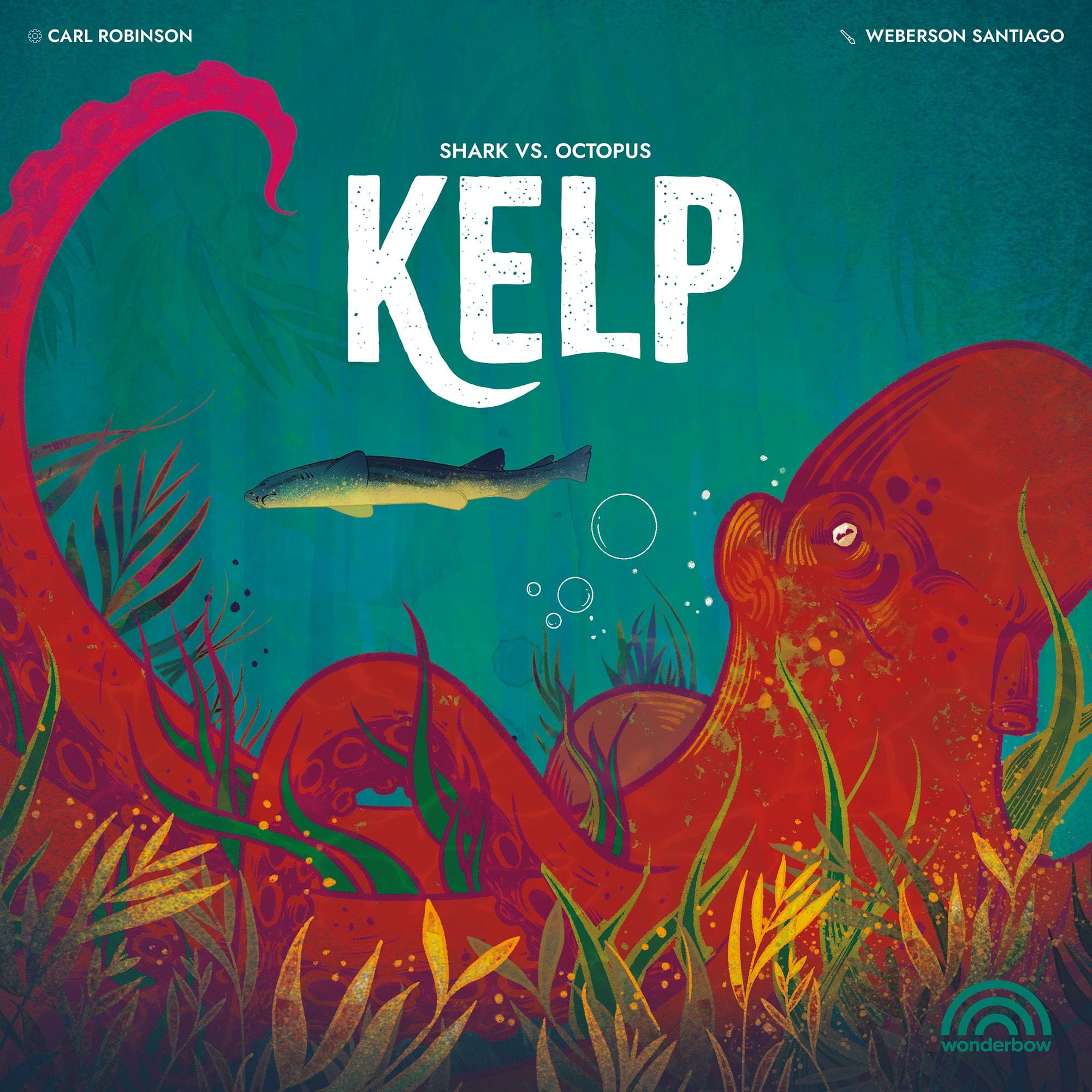
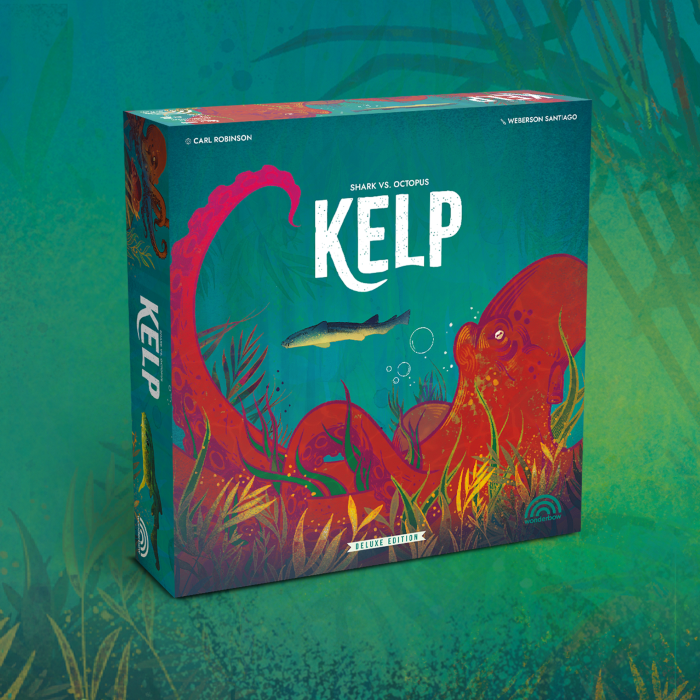


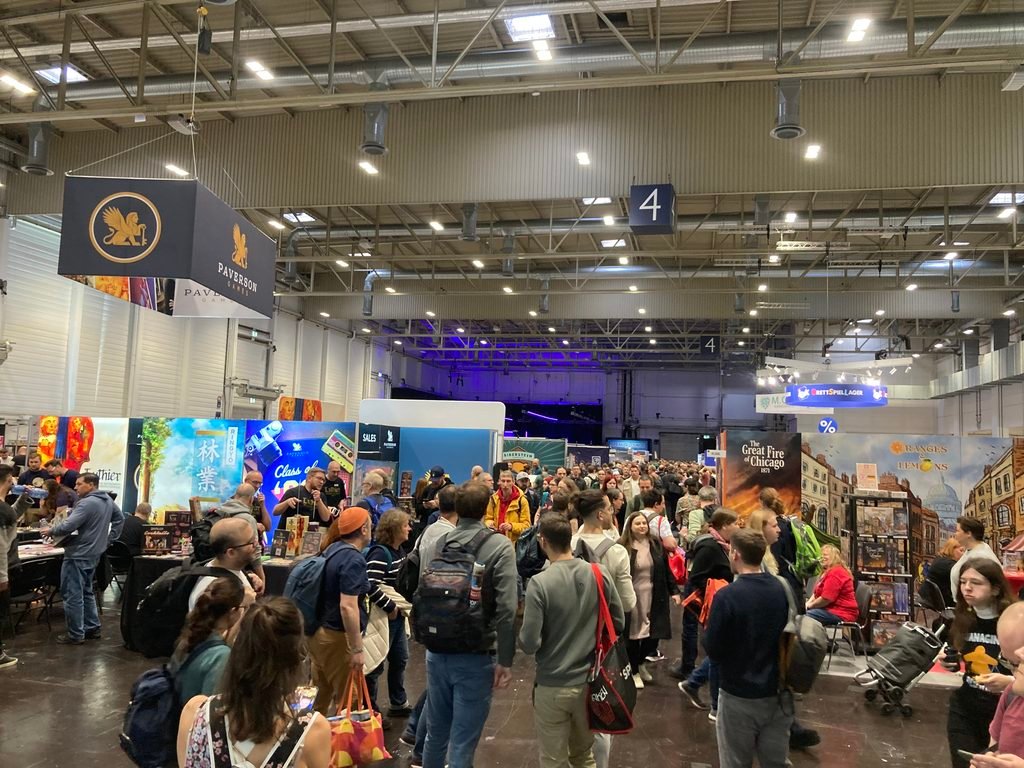
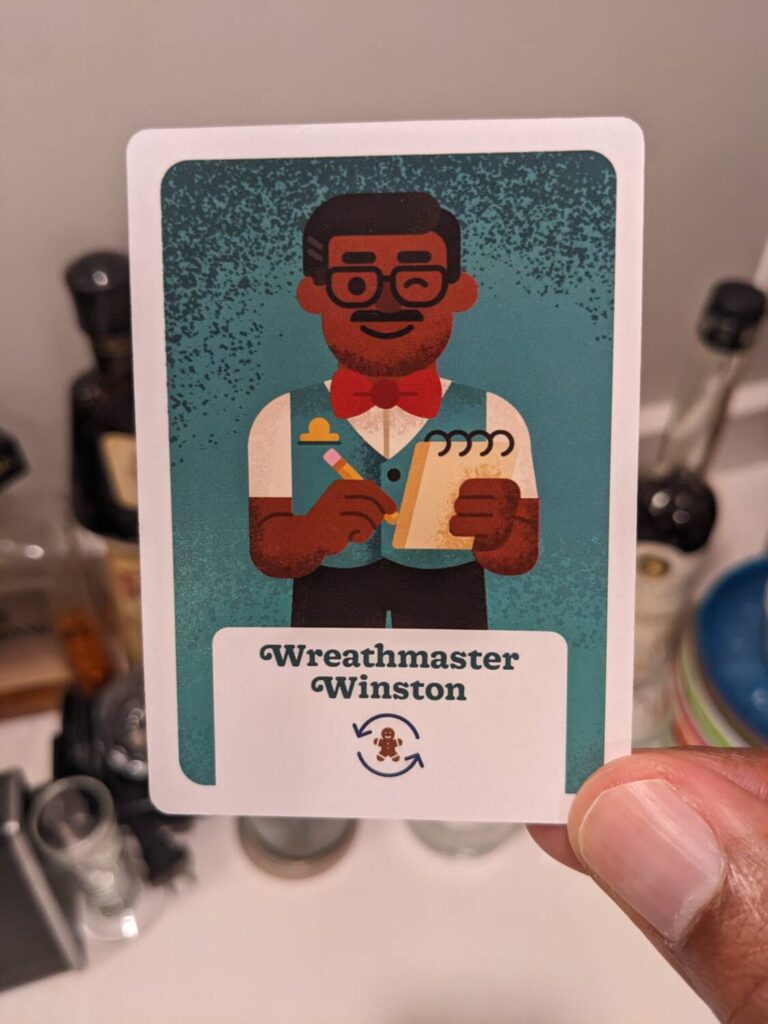
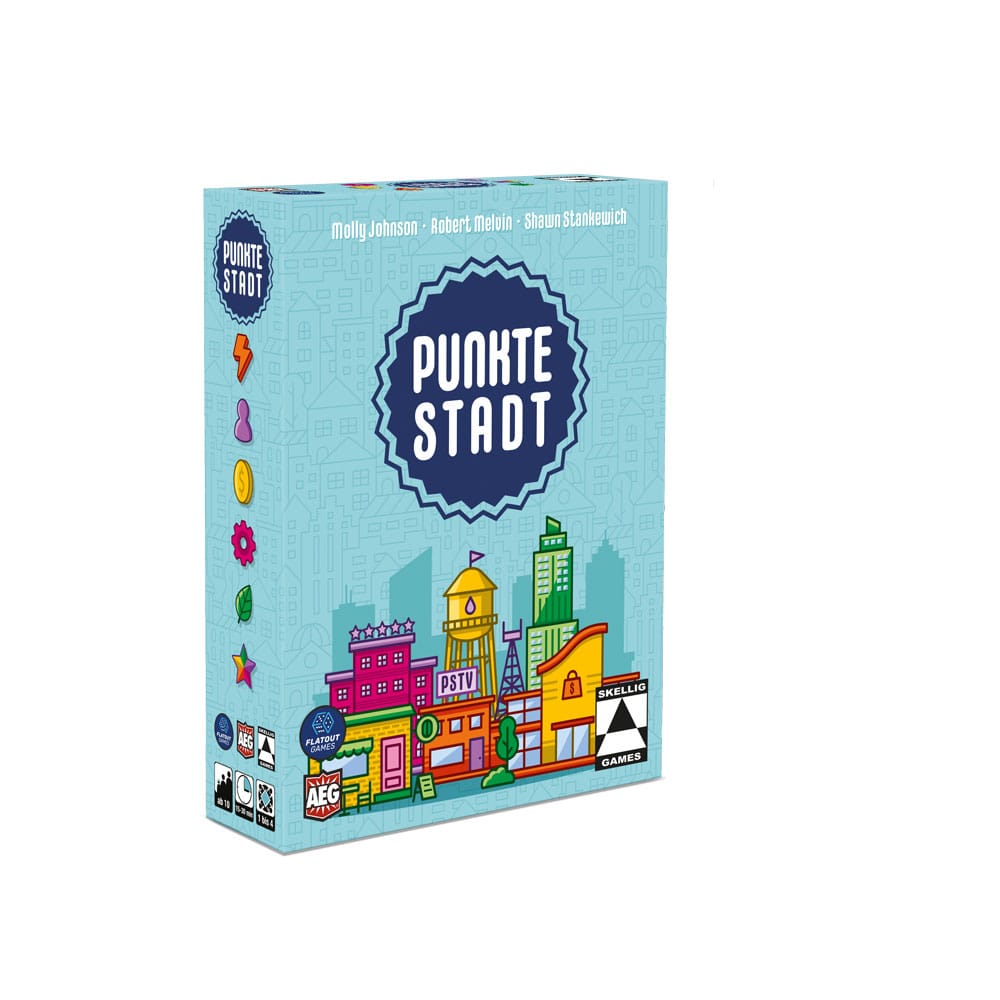
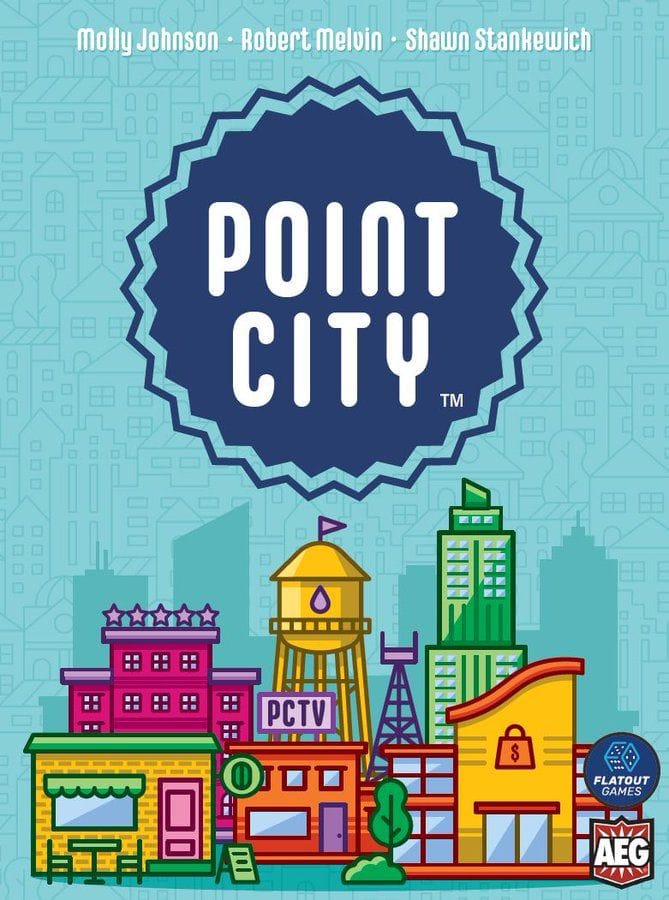

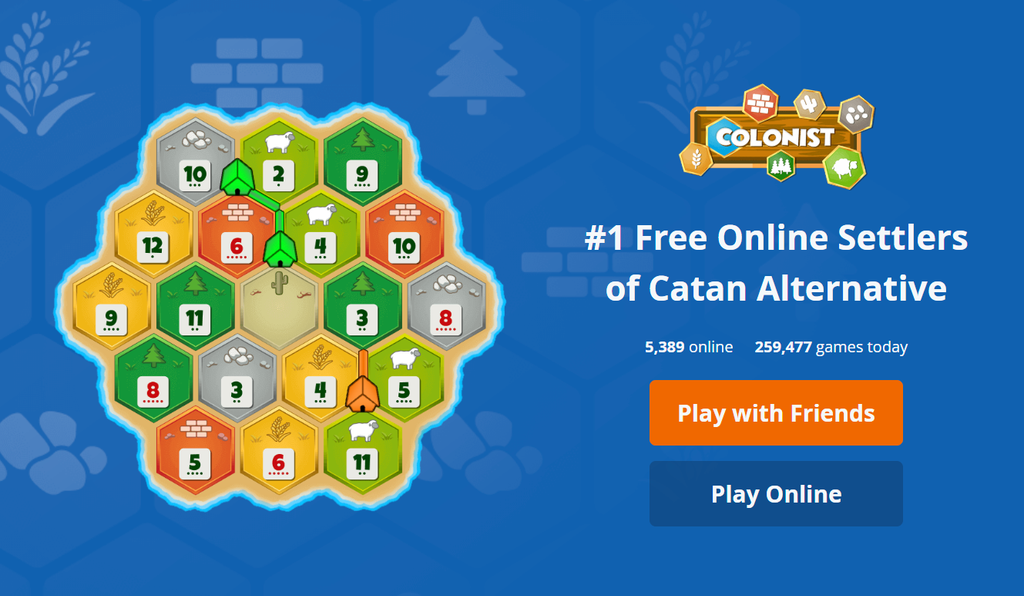
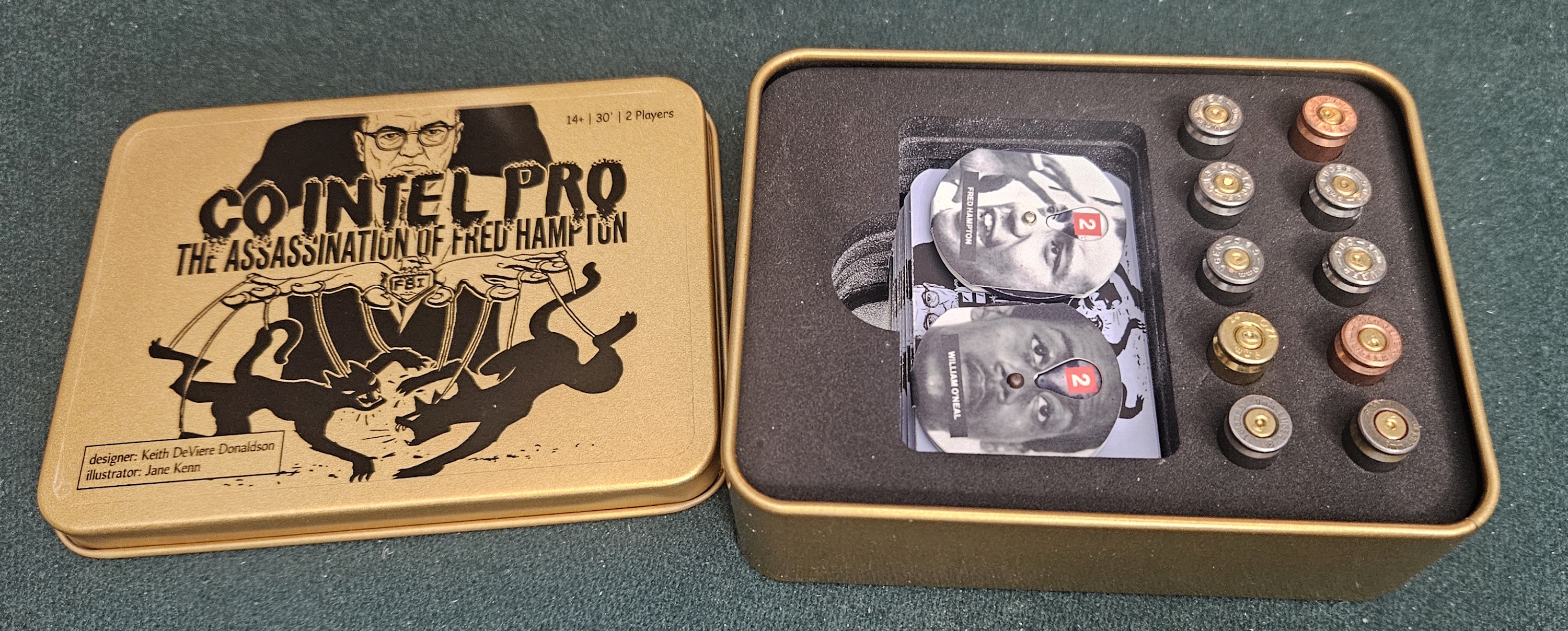
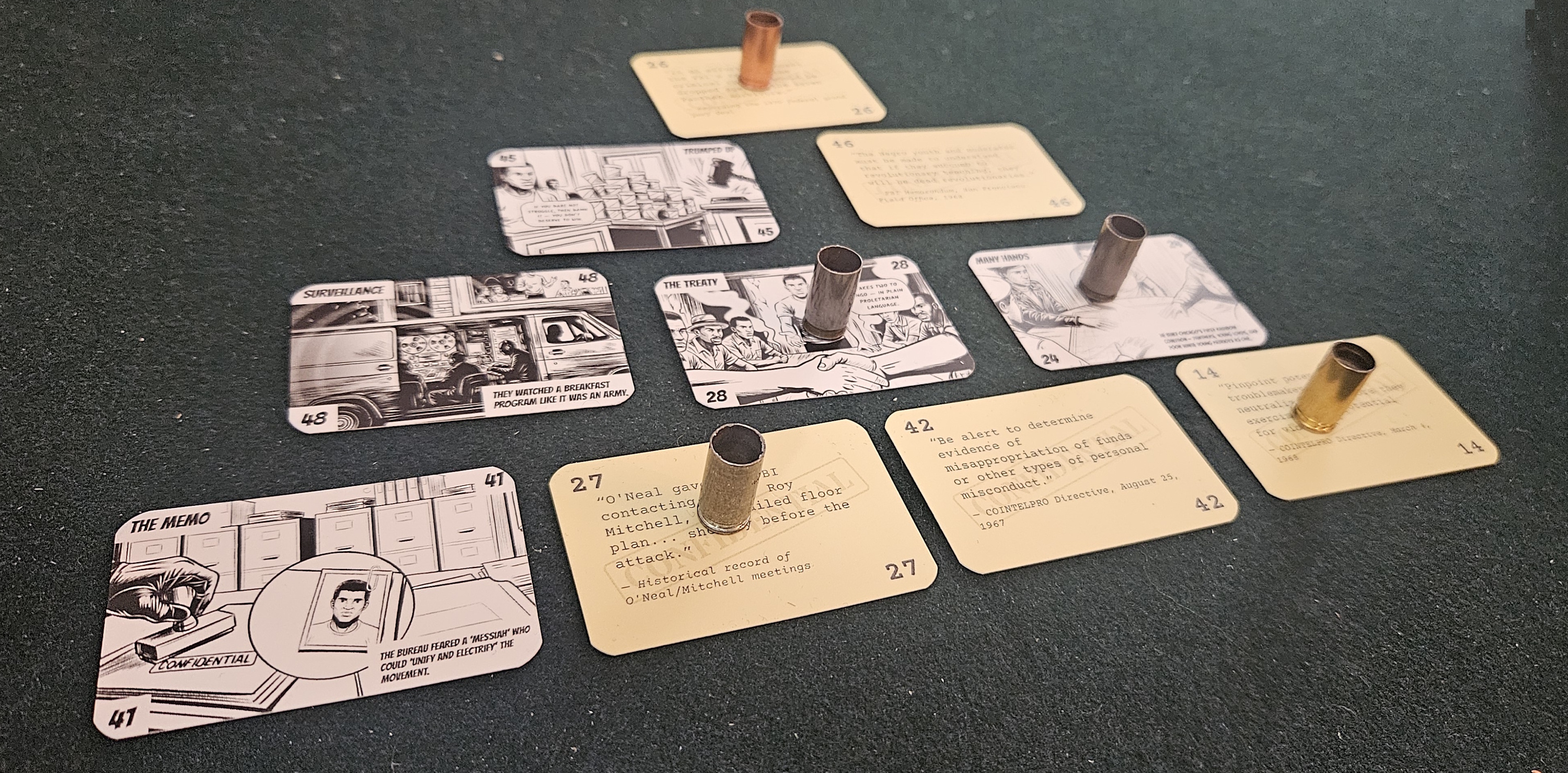
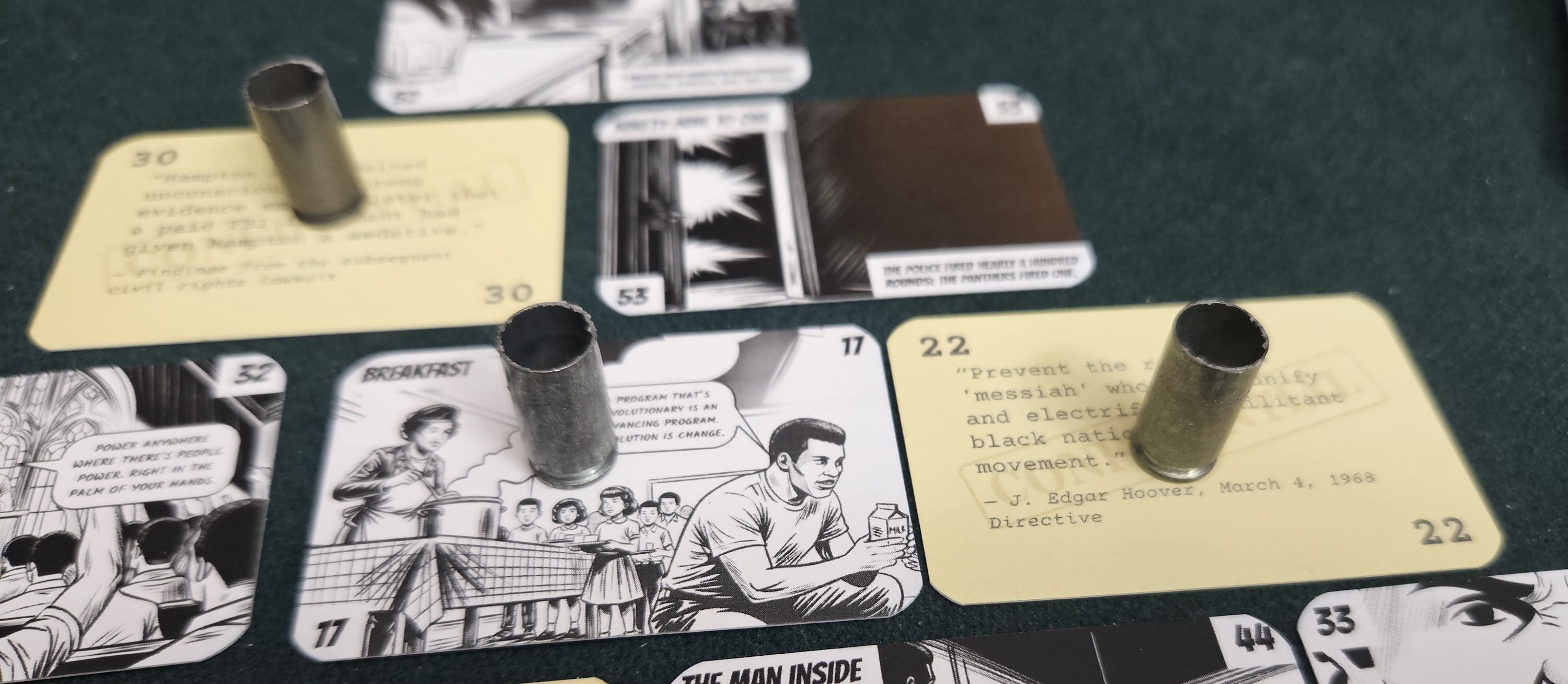
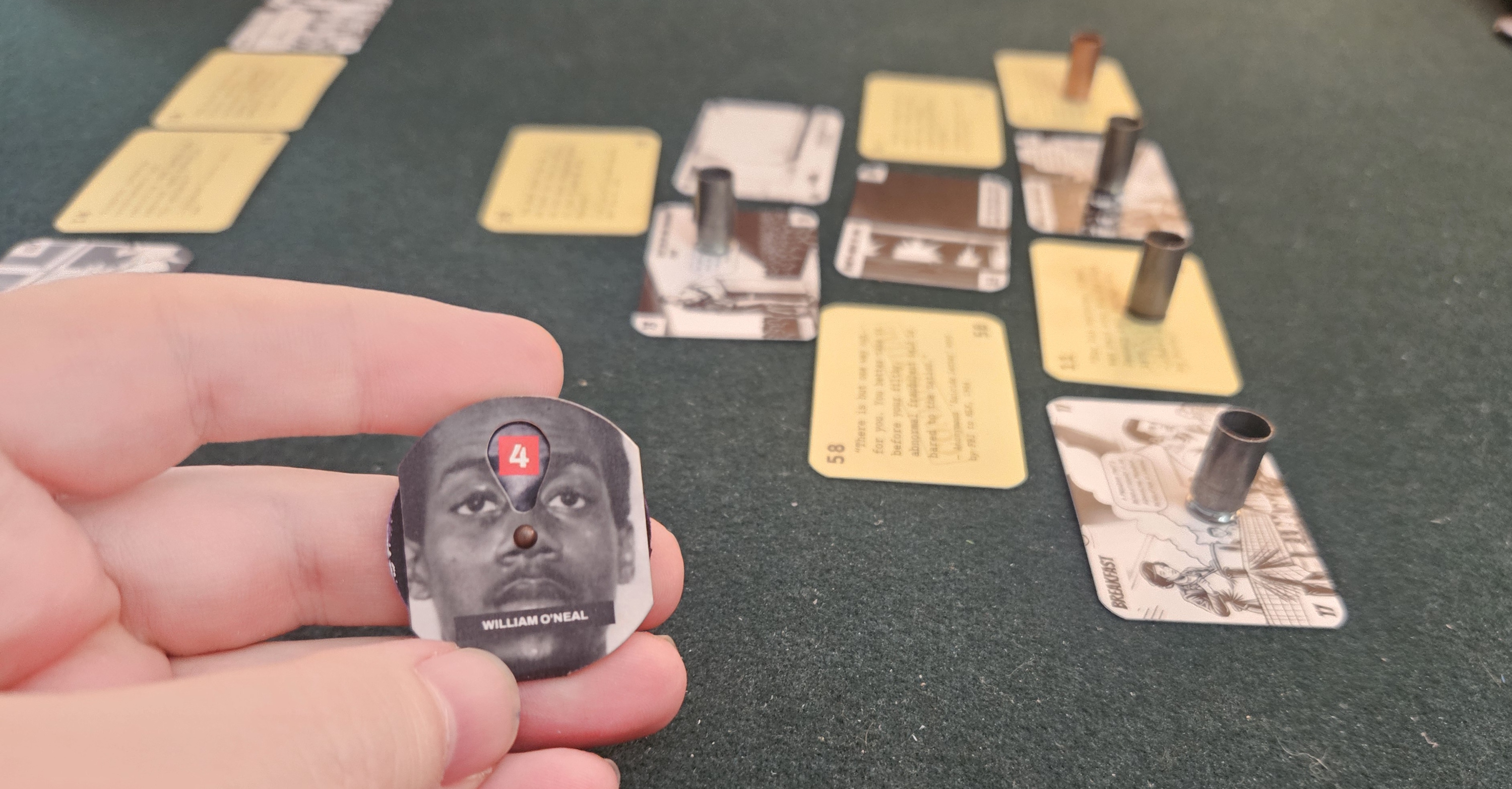


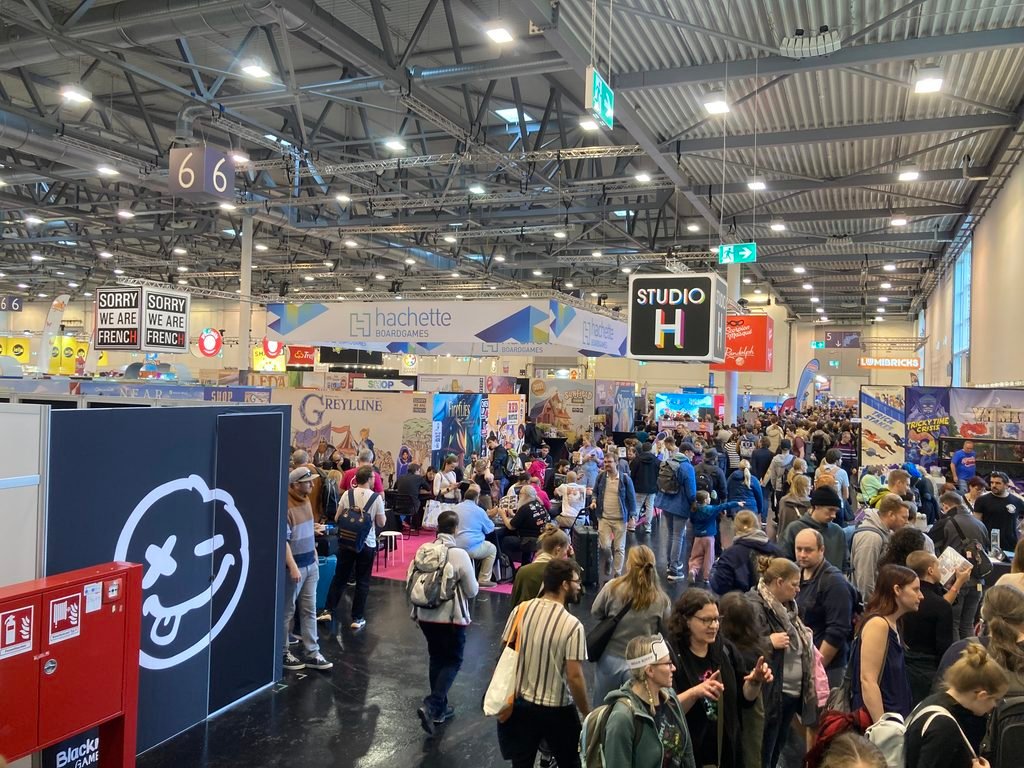
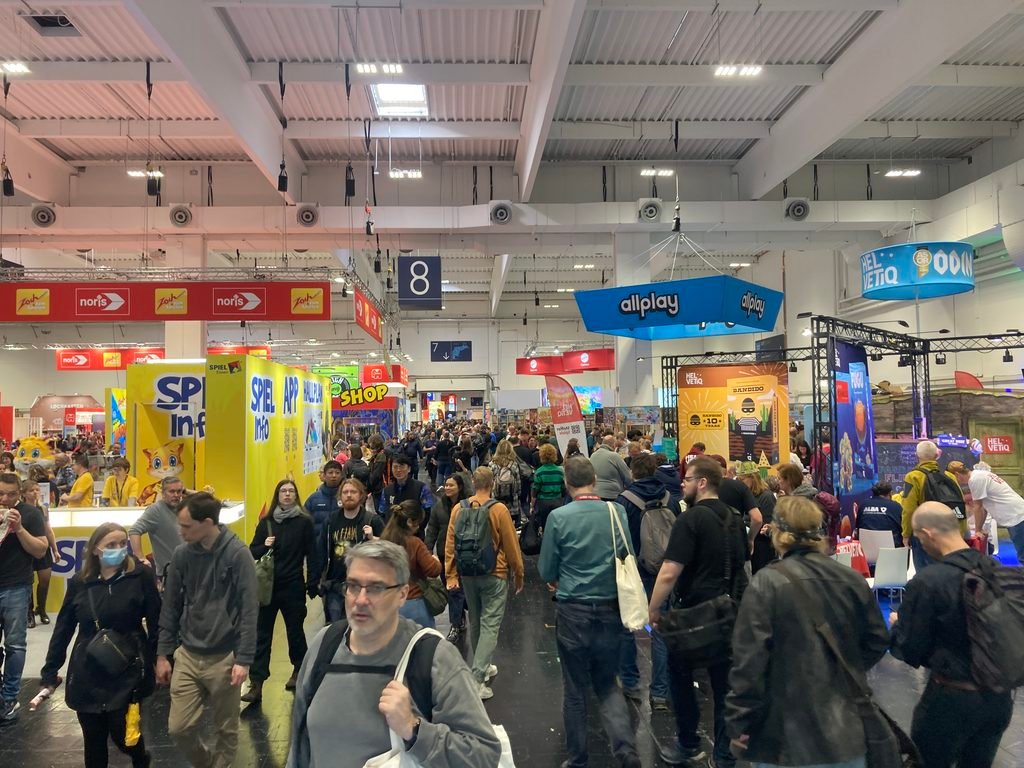
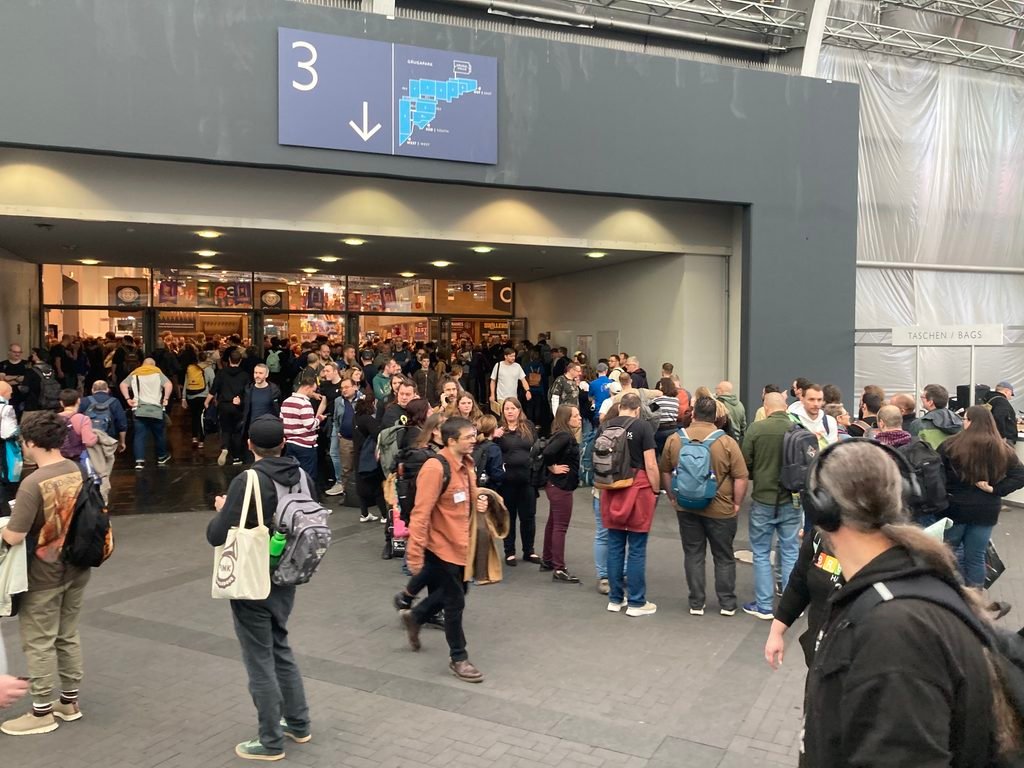
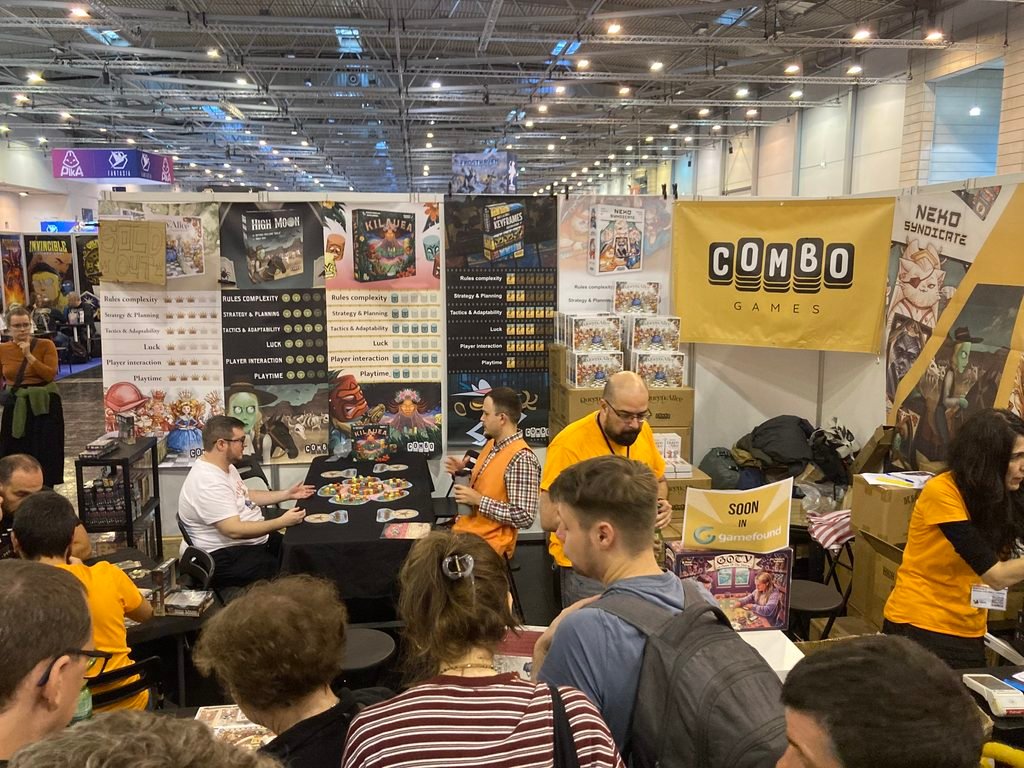
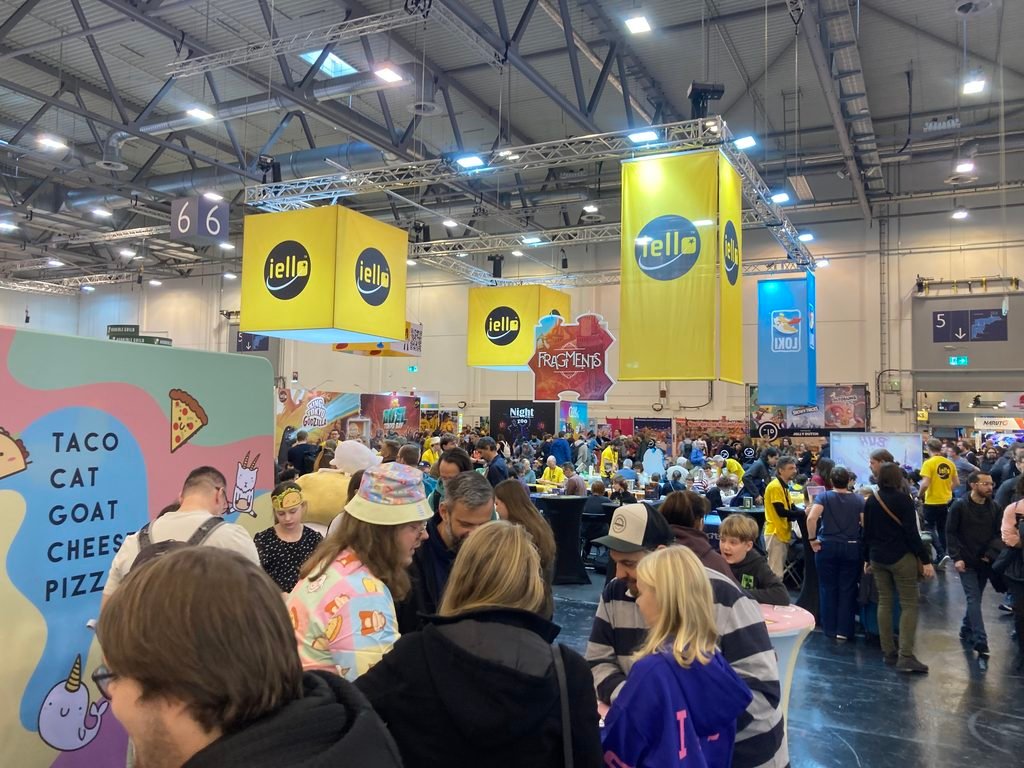

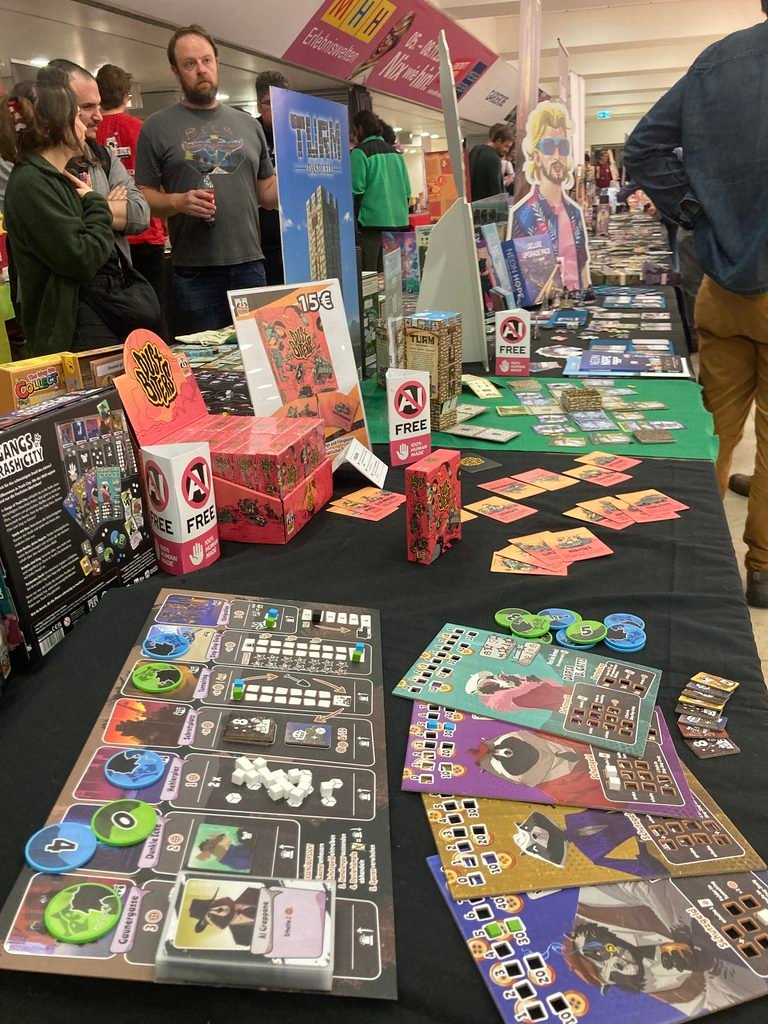
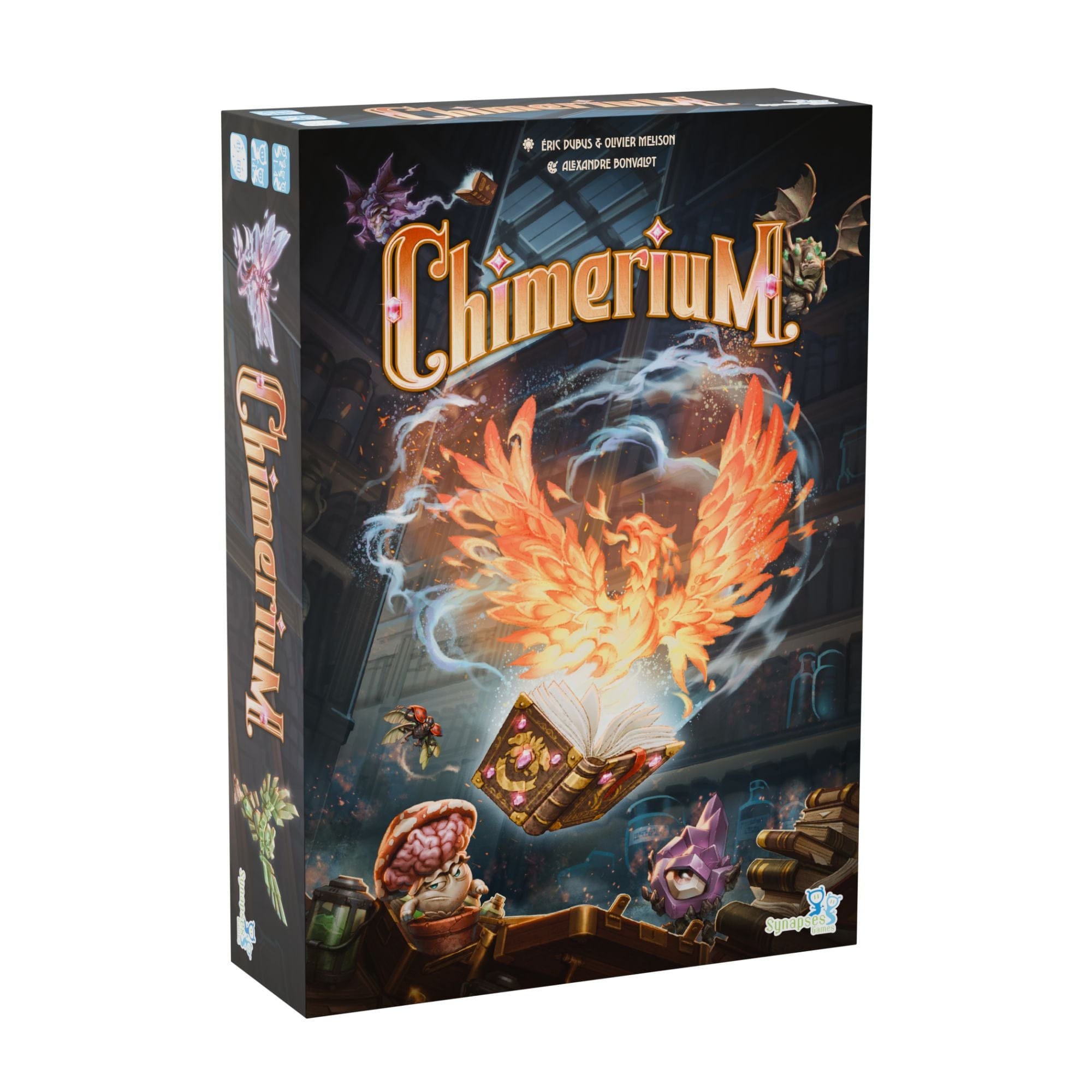
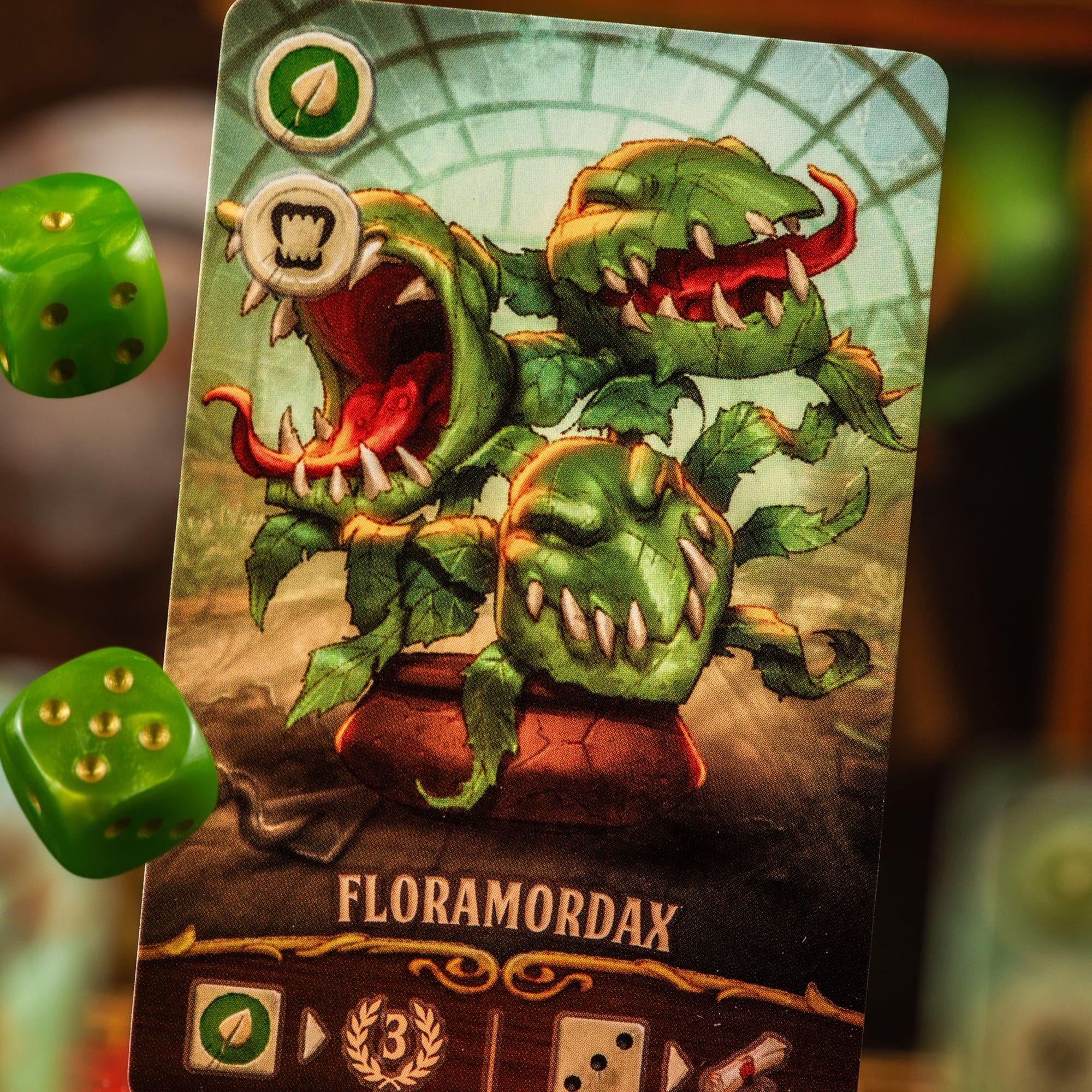
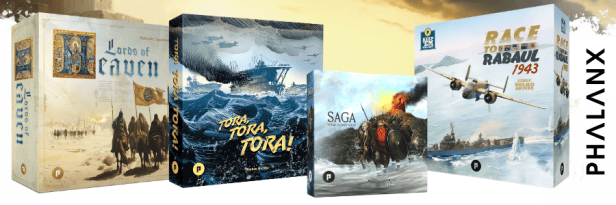
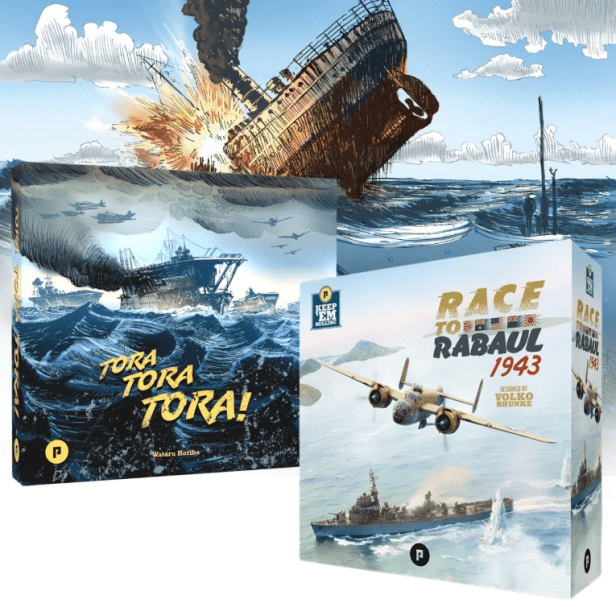
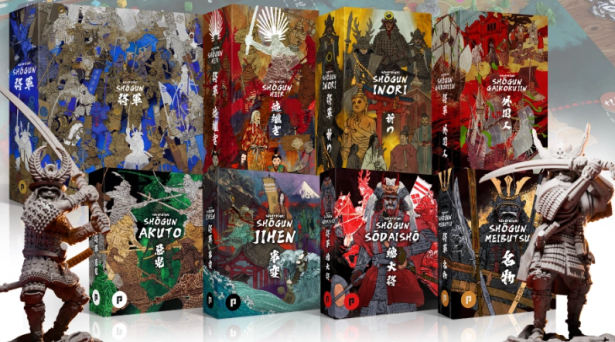
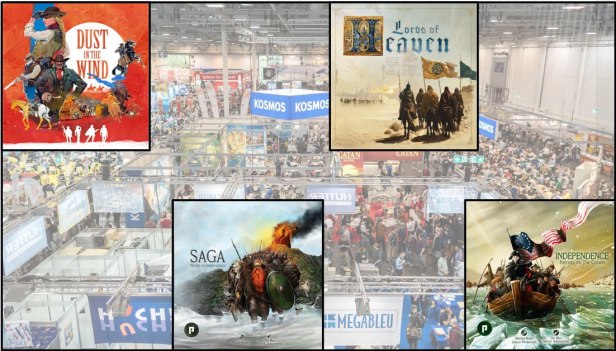
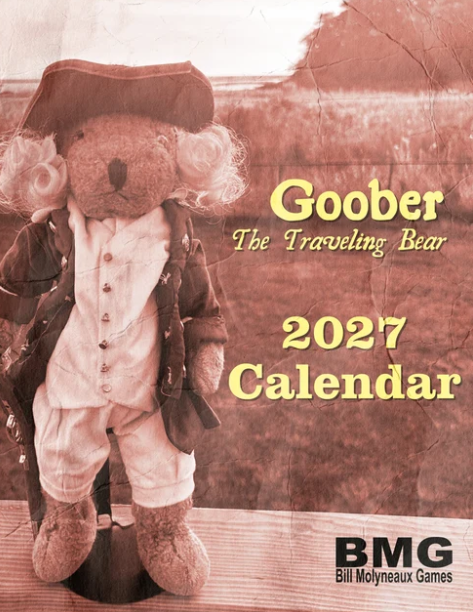
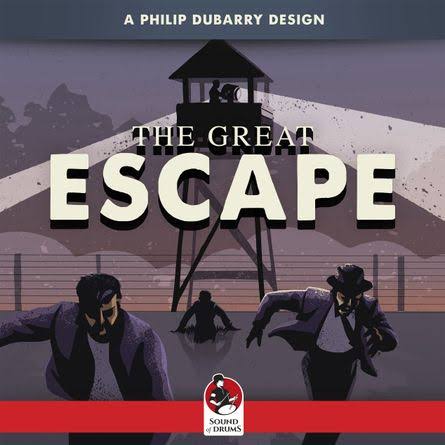
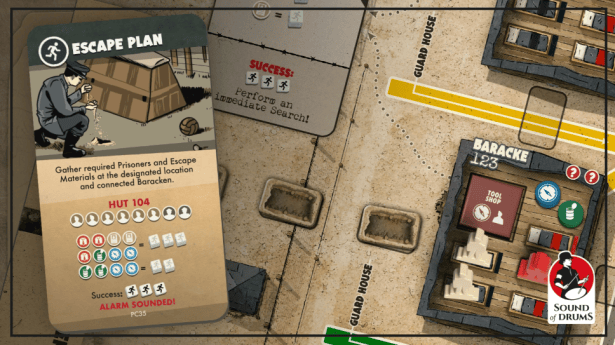
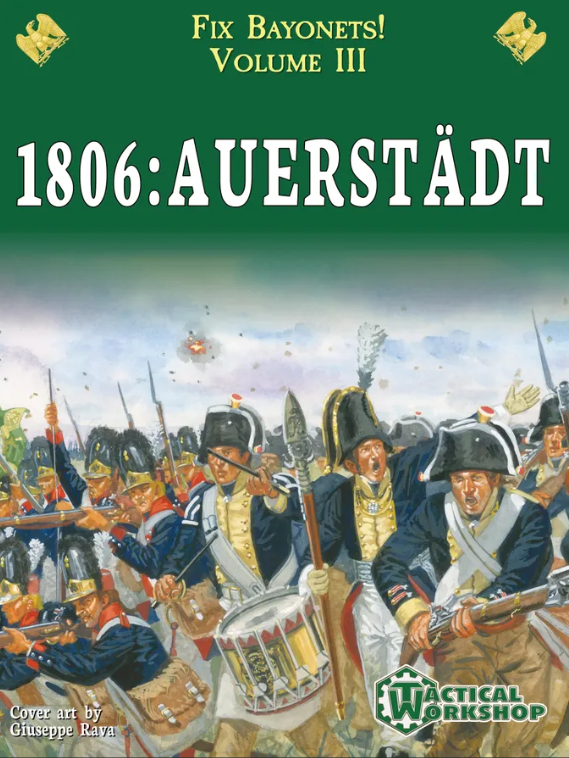
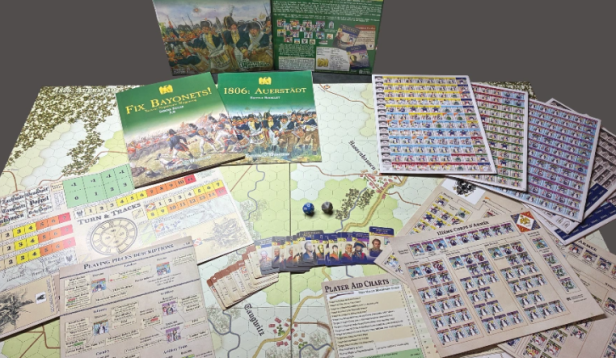
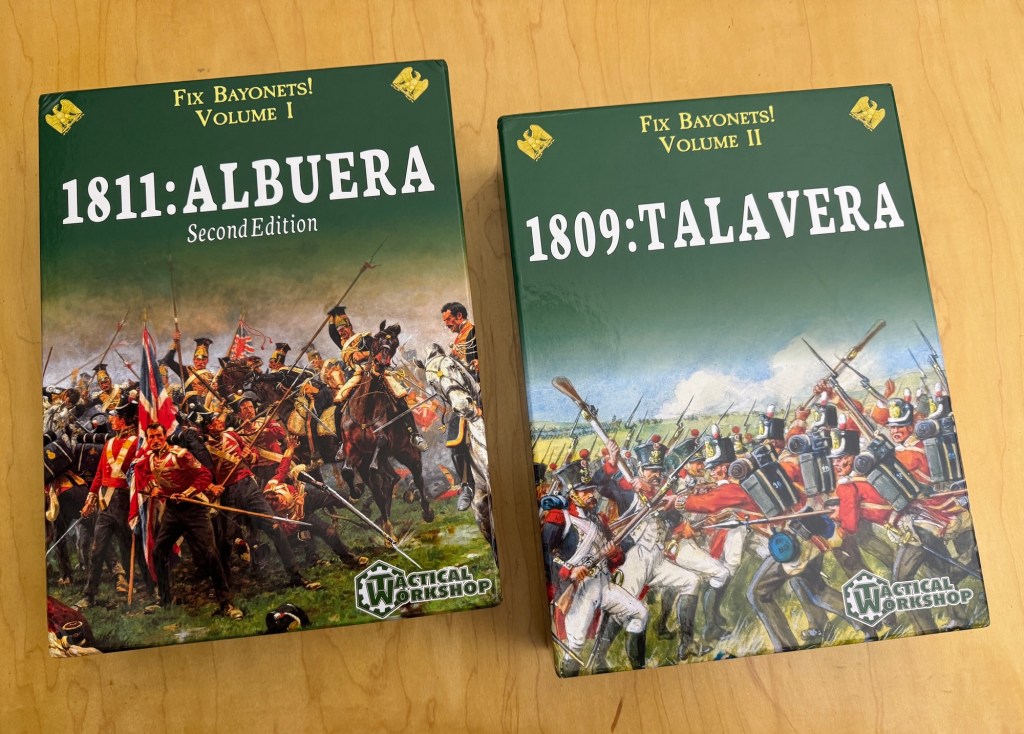
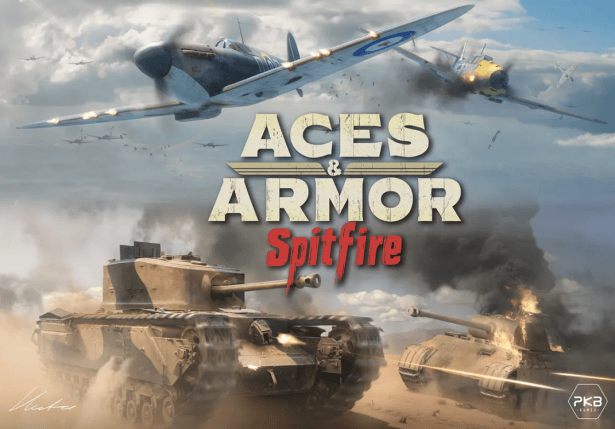
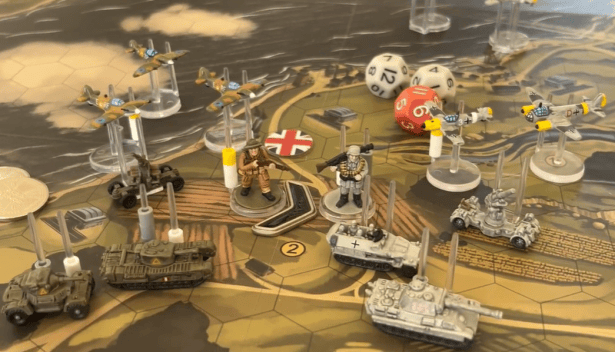
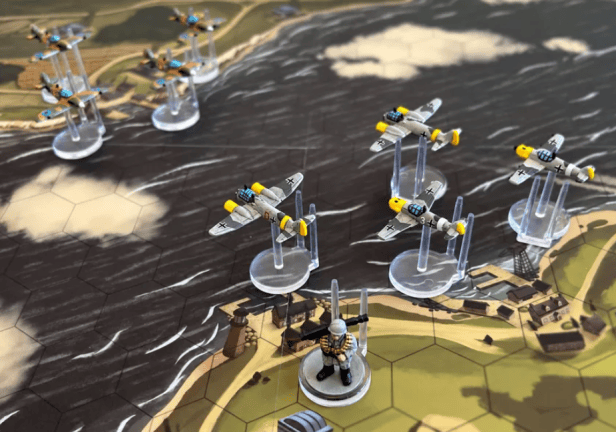
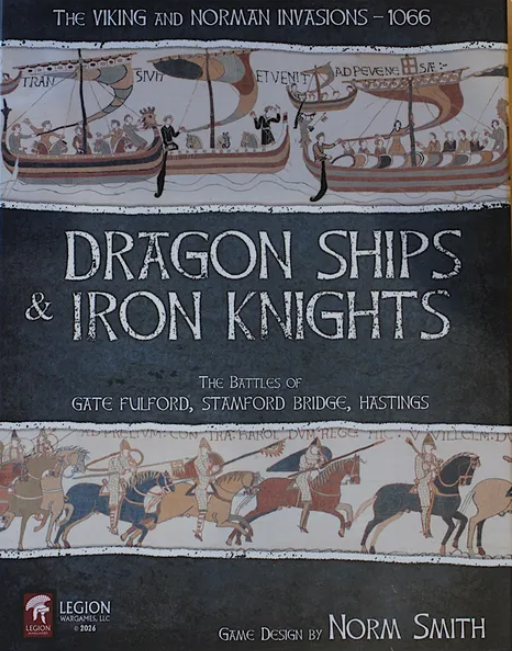
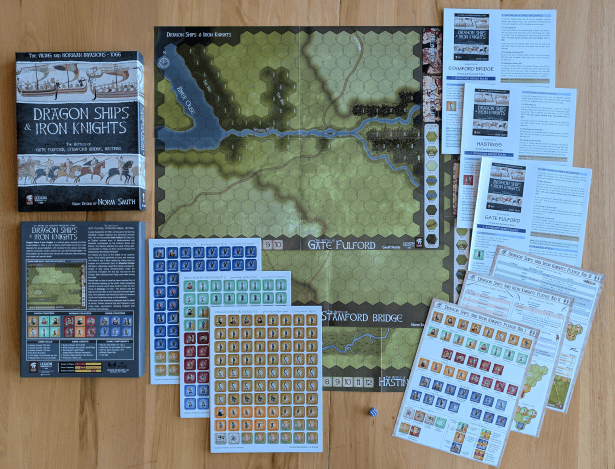
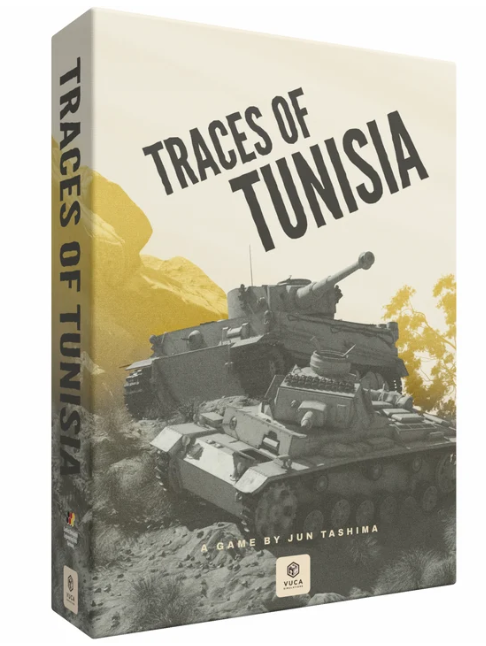
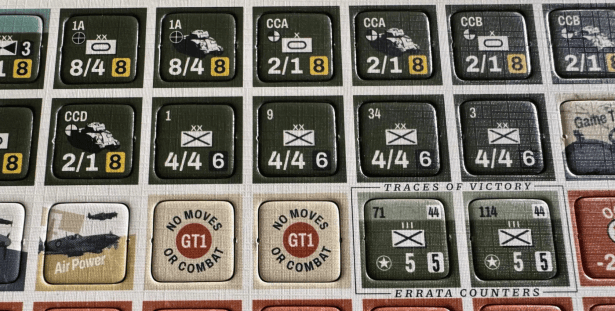
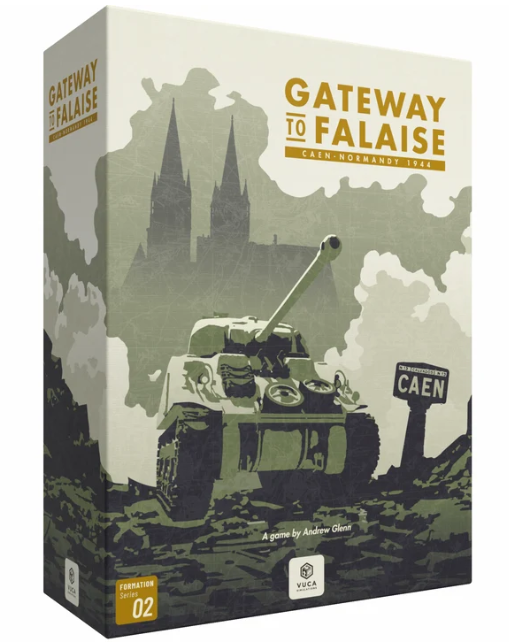

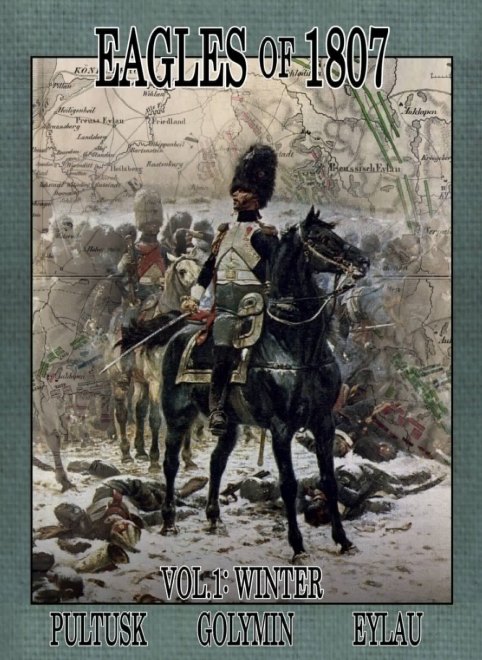
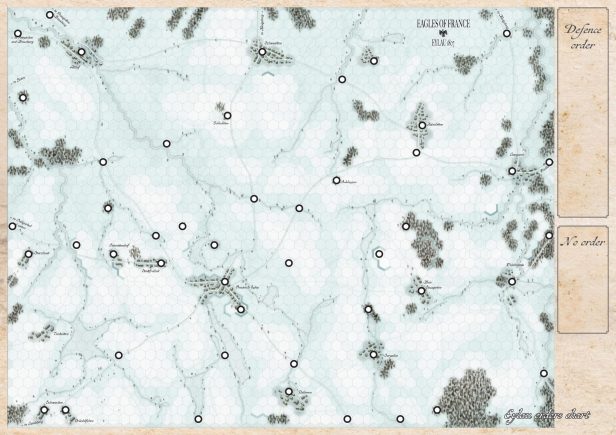
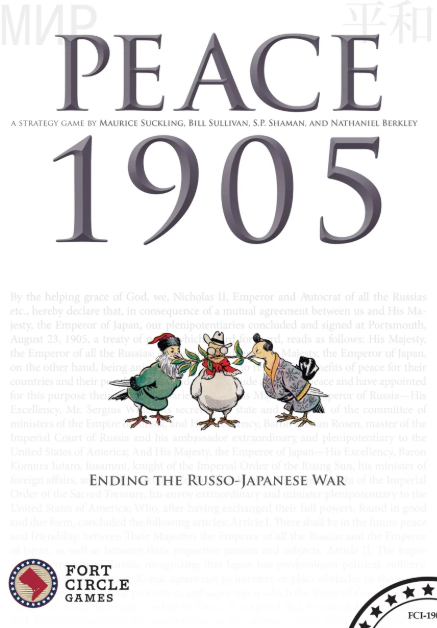
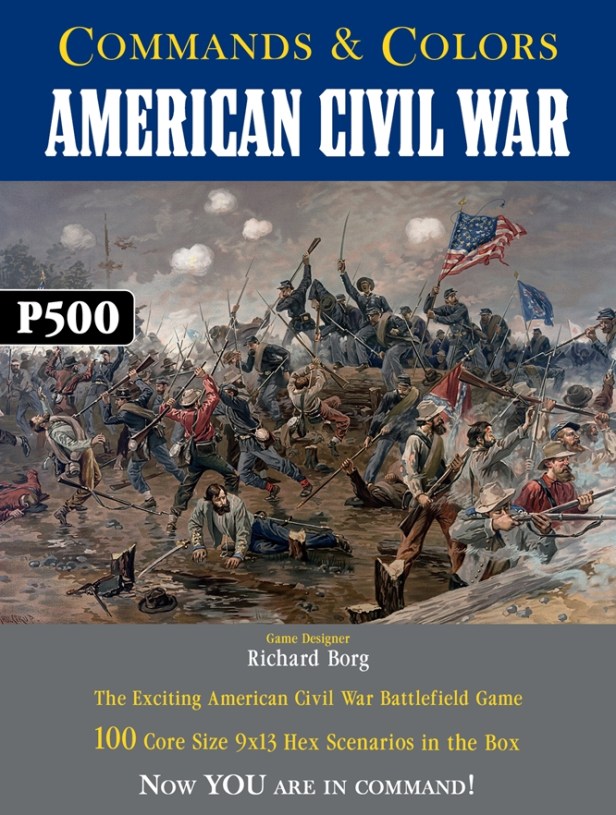
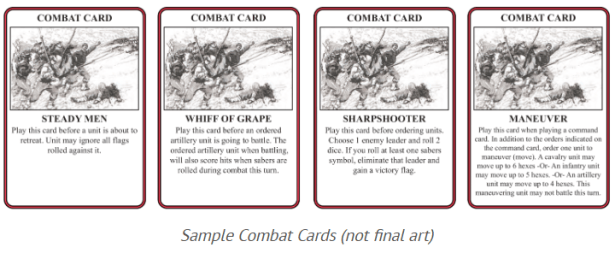
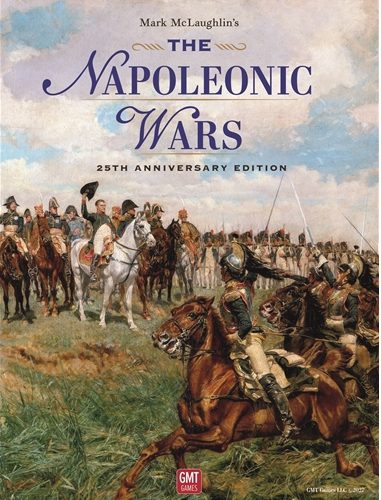
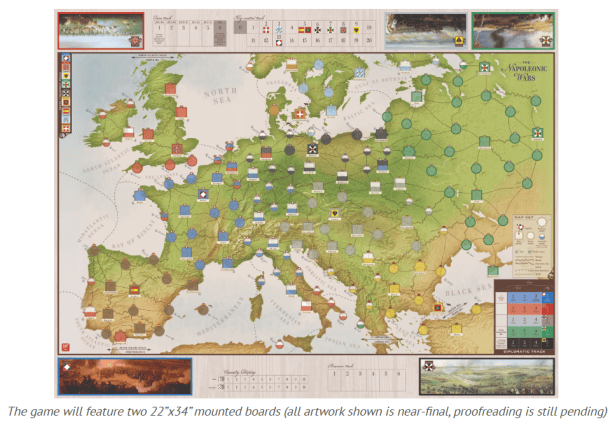
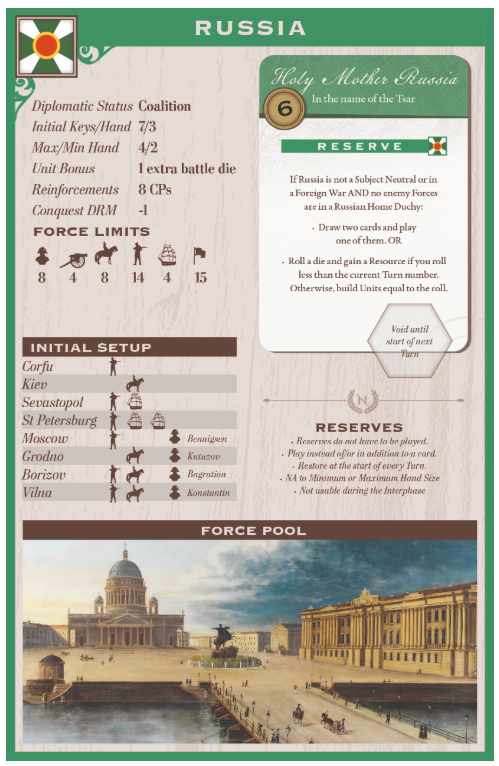
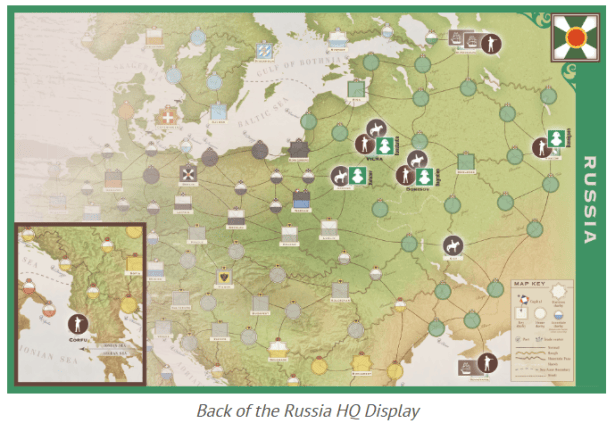
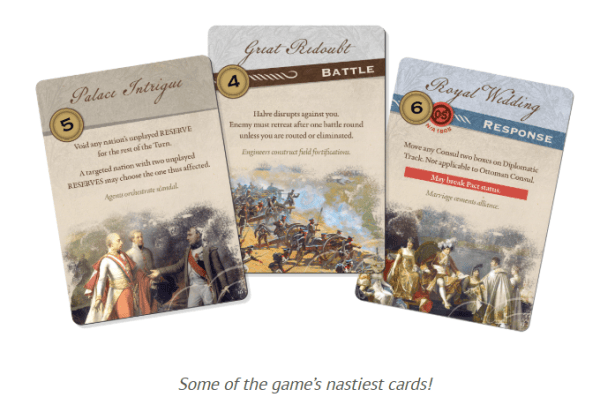
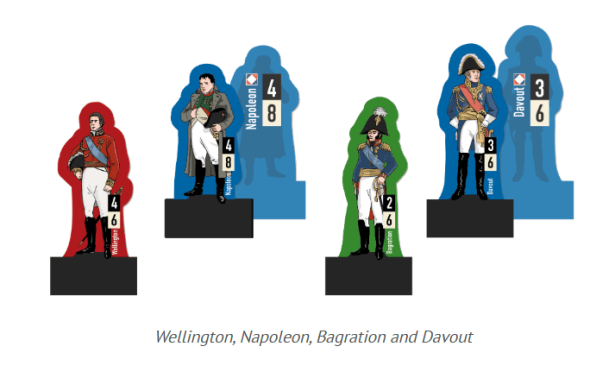
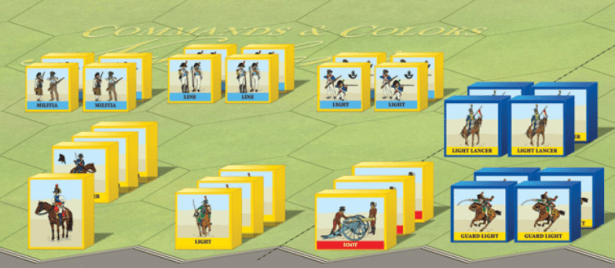
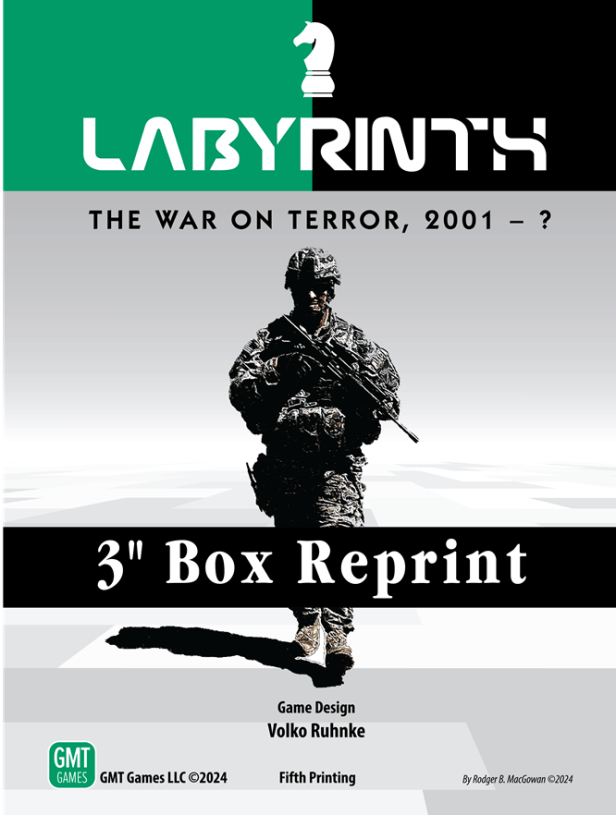
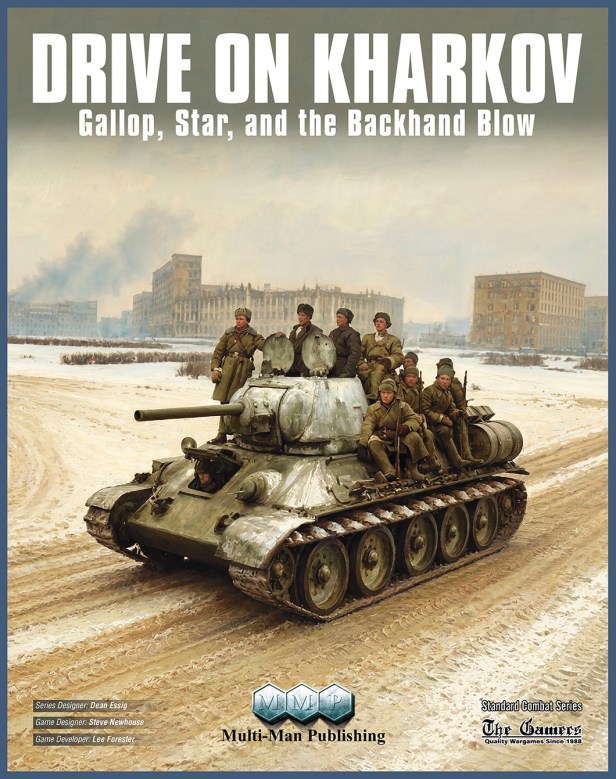
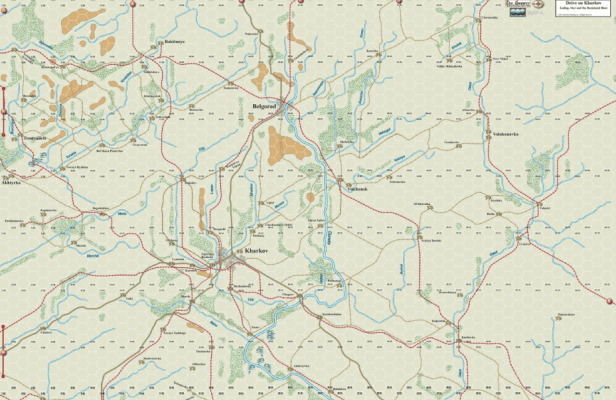
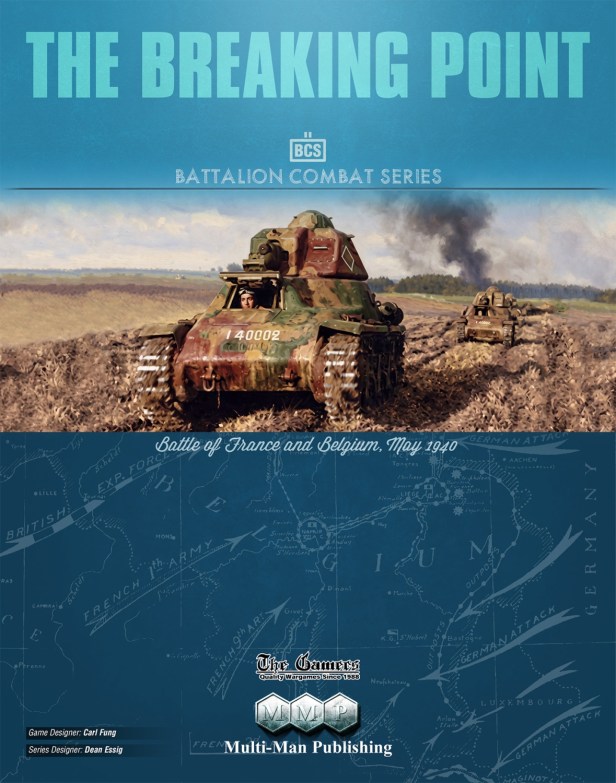
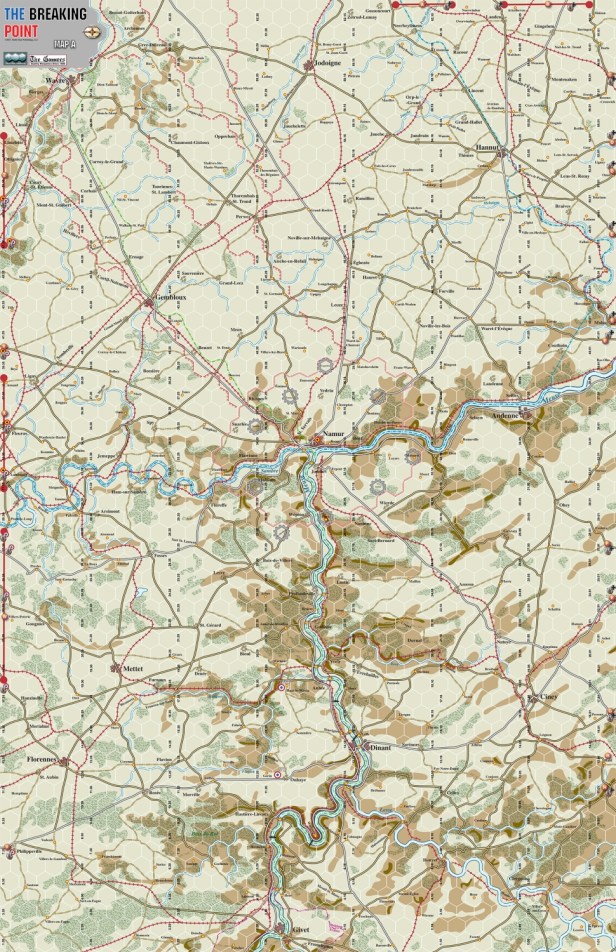


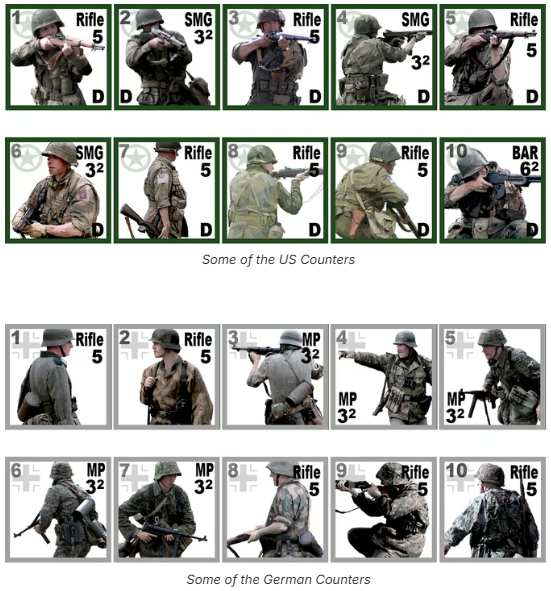
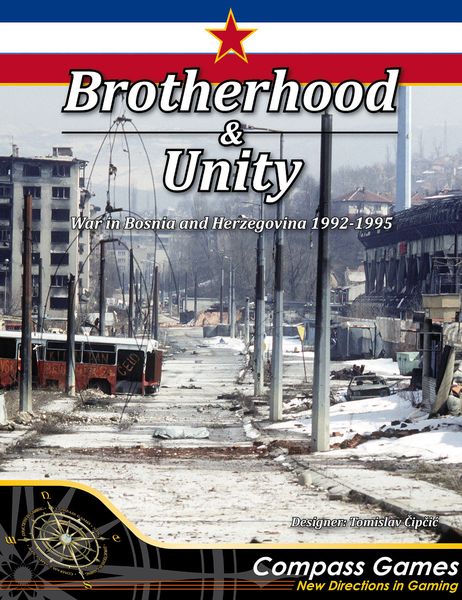
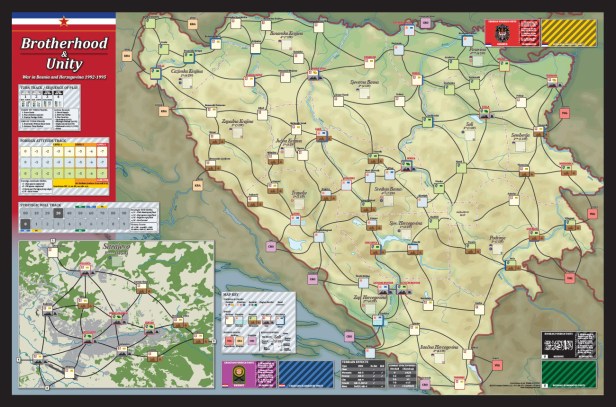
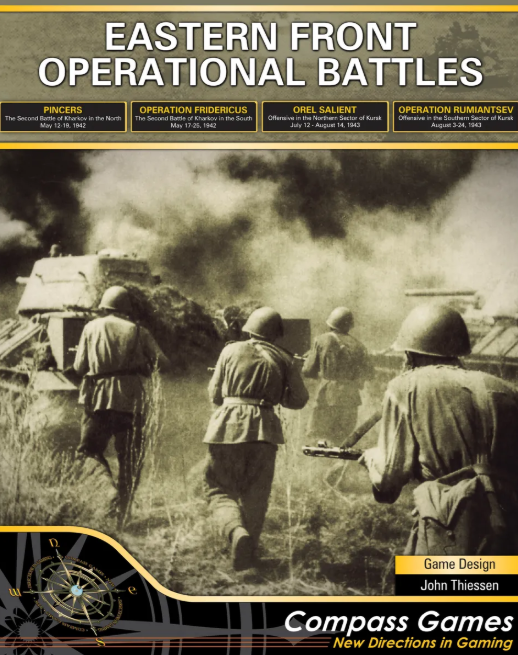
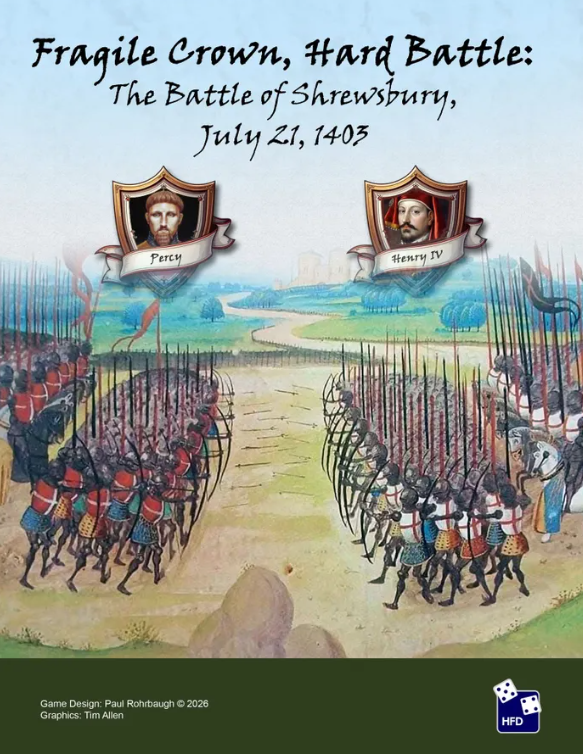
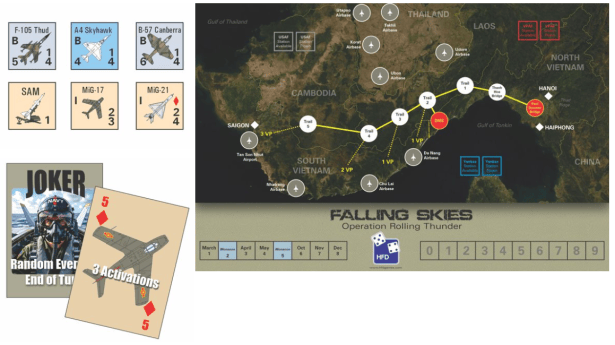
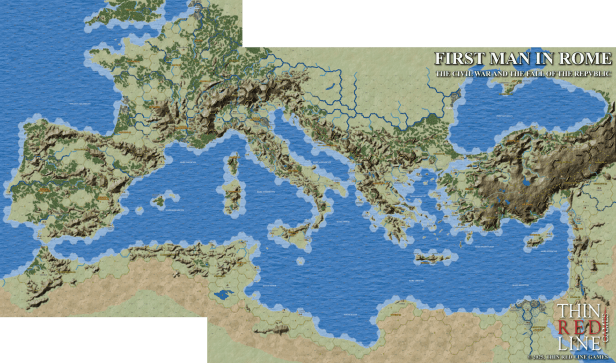
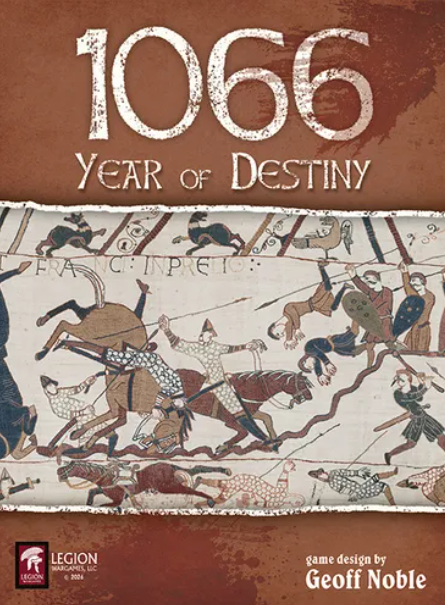
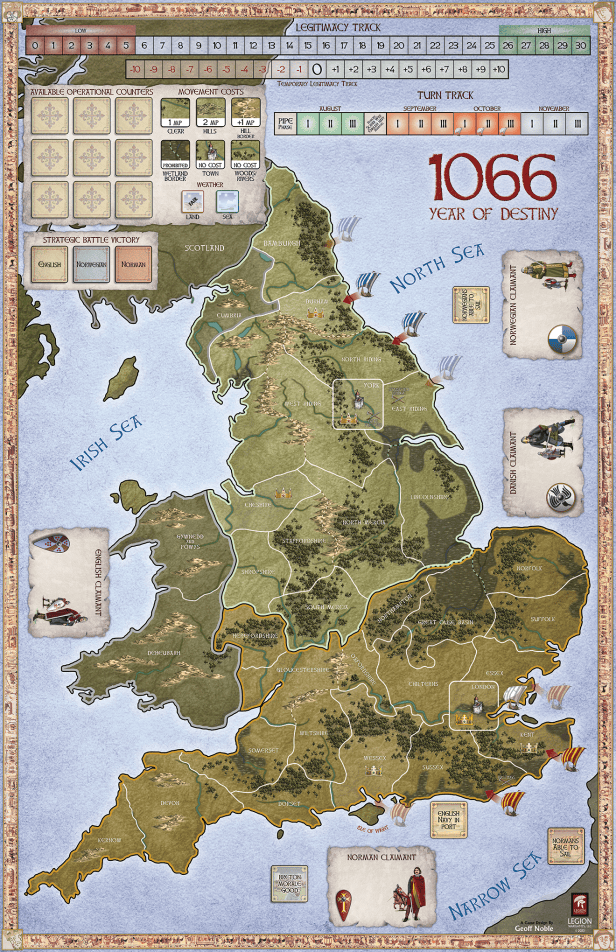




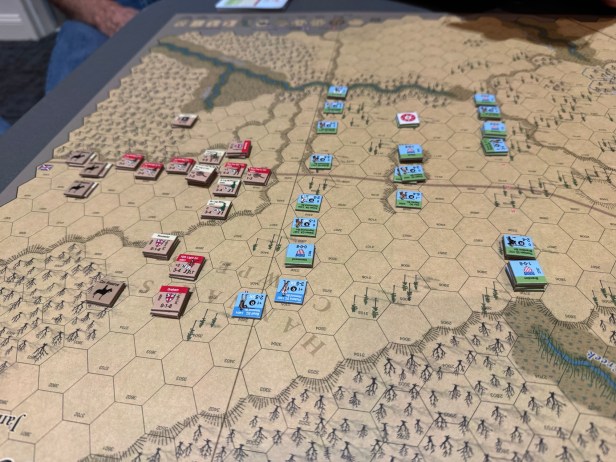
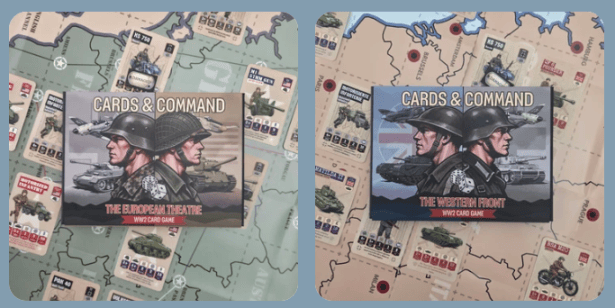
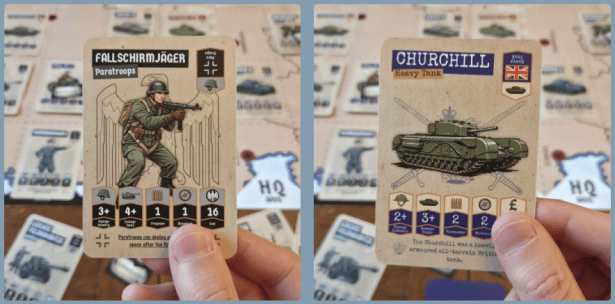
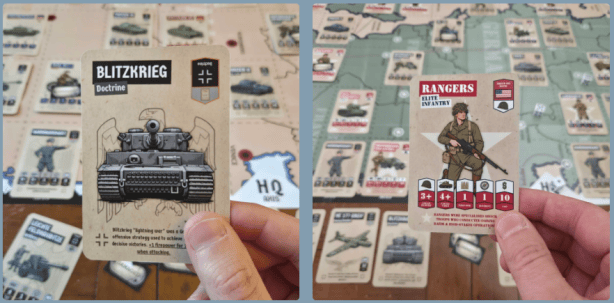
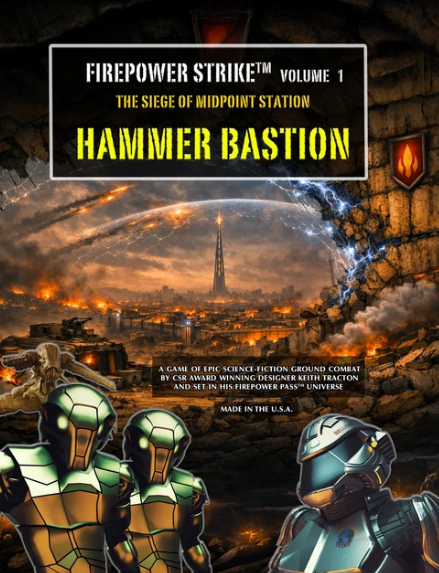
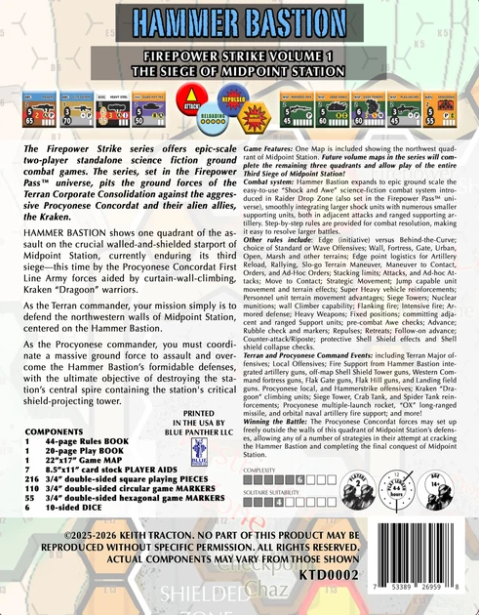
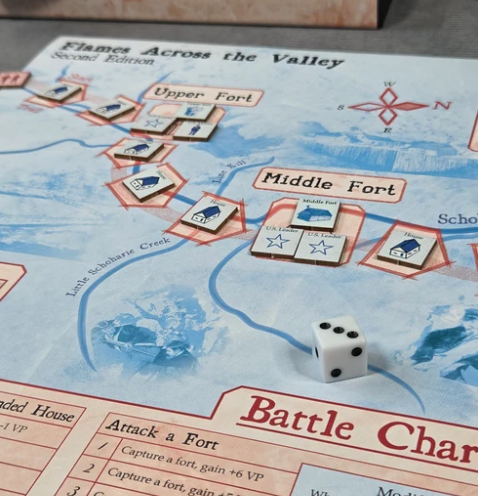



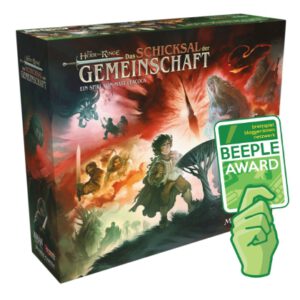 Es gibt Spielsysteme, die man ohne Zögern als moderne Klassiker bezeichnet. Pandemic ist ein solches Meisterwerk. Matt Leacock hat den kooperativen Mechanismus über Jahre hinweg verfeinert und nebenbei das Legacy-Genre komplett neu belebt. Seine Spiele sind dramatische Erzählungen, die bis zur letzten Aktion fesseln.


 Die SPIEL Essen 2026 war an allen vier Tagen ausverkauft, belegte erstmals alle acht Hallen und knackte mit 230.000 Besuchenden den nächsten Rekord. Zwischen 2.012 Neuheiten, Lasertag und Spieleabenden in der ganzen Stadt stellt sich die Frage, wie lange das Wachstum noch gutgeht. Das Teilzeithelden-Team berichtet von Eindrücken und Highlights.