Zwölf Speerspitzen, neunzig Ausgaben und jede Menge Plastik: Hachettes Spearhead-Magazin kommt nach Deutschland. Die erste Ausgabe erscheint am 19. August 2026, Abonnements können bereits jetzt abgeschlossen werden. Im Mittelpunkt steht dabei das schnelle Speerspitze-Format, für das die Leser*innen nach und nach komplette Streitmächte samt passender Regeln sammeln können.
Die Chaosbarbaren haben bereits letztes Jahr die alte Welt ein wenig erschüttert. Jetzt wird nachgelegt mit den Kriegern des Chaos. Eine weitere Welle von Neuerscheinungen steht an. Wir haben uns angeschaut, was Games Workshop angekündigt hat. Sind die Krieger des Chaos weiterhin eine ernstzunehmende Bedrohung auf dem Schlachtfeld?
In Folge 43 lassen wir den letzten Jahrgang 2025/26 Revue passieren und orakeln den Deutschen Spielepreis. Zudem besprechen wir WINE & CHEESE sowie EMBERLEAF
One Round ? ist ein super Reise- und Partyspiel aus dem Hause Schmidt Spiele. Es wurde von Tobias Tesar entwickelt und kann mit 2 bis 12 Spielern gespielt werden. Das…
Sorry What?! von Huch! ist ein Lippenlese-Partyspiel für Erwachsene, bei dem ein Teammitglied mit schalldichten Kopfhörern nur anhand der Mundbewegungen erraten muss, welchen – oft zweideutigen – Satz die eigenen…
Gen Con has hired longtime The Dice Tower presenter and convention organiser Camilla Cleghorn as its new head of events, putting a familiar face from board game media in charge of planning and delivering one of the tabletop industry’s largest event programmes.
Cleghorn’s new role will see her lead Gen Con‘s events team and oversee the planning and execution of the massive convention’s event programming, while supporting the organisers responsible for the thousands of events run each year.
That figure extends the show’s steady post-pandemic growth, following record crowds of 70,000 in 2023, 71,000 in 2024 and almost 72,000 last year – all of which broke the 2019 pre-pandemic high.
But the convention, which has sold out before opening for three consecutive years, is operating at a hard capacity ceiling at the Indiana Convention Centre – and is set for a significant floor space expansion next year alongside its 60th anniversary.
The expansion includes an extra 143,500 sq ft of floor space – roughly the size of 2.5 American football fields – and 800 new hotel rooms through the opening of a new Signia by Hilton hotel.
Cleghorn told BoardGameWire that growth would create both exciting opportunities and new challenges, adding, “The opportunity is finding ways to welcome more people and experiences while maintaining what makes the convention special. The challenge is making sure the systems, communication, and support behind that growth scale along with it.”
Gen Con 2026
She said, “From the publisher and exhibitor side, I’m fortunate to come in with experience working closely with many of those partners, but I don’t want to arrive with a list of things I think need to change before I’ve had the opportunity to listen and learn.
“Gen Con has an experienced team and a tremendous community of partners. My priority will be understanding what’s working well, where opportunities exist, and how we can continue to build on that together.”
Cleghorn confirmed that Gen Con’s veteran director of events Derek Guder would be “transitioning into an adjacent role” at the business, but said they would work closely together.
She joins Gen Con after several years as a prominent member of The Dice Tower team, filming reviews for its more than 360,000 YouTube subscribers as well as helping to grow Florida-based convention Dice Tower East and working on the show’s annual crowdfunding campaigns.
She said, “I’m incredibly grateful to have been a part of The Dice Tower’s journey over the last several years, and I’ll always be thankful to Tom, the DT team, and all of you for giving me opportunities I never imagined I’d have.”
She told BoardGameWire, “One of the things I value most about my time with The Dice Tower is that I’ve had the opportunity to experience the hobby from a lot of different perspectives: publishers, designers, content creators, convention attendees, and the people working behind the scenes to make events happen.
“It’s taught me that each group has different needs, but ultimately they all want a great experience and clear communication.”
Cleghorn added, “The timing also felt right for me personally and professionally. I’m incredibly proud of my time with The Dice Tower and everything I’ve had the opportunity to be a part of there, and I’m excited to take what I’ve learned into this next chapter.”
BoardGameWire contacted The Dice Tower creator Tom Vasel to ask about the impact she has had at the reviews giant, her biggest achievements at the business and what he will miss most about her moving on, but did not receive a response.
He did briefly mention Cleghorn’s new role in the most recent episode of Dice Tower News, joking about Gen Con’s “thievery” before saying, “We’re excited for her, excited to see that happening”.
He added “You’ll still see here occasionally here on The Dice Tower but she’ll be really busy working for Gen Con.”
The Tabletop Game Designers Association has begun scoring and comparing the standard contracts board game publishers offer to designers, with the aim of improving how game creators are treated and paid.
TTGDA’s inaugural review of contracts from more than 50 board game publishers found “several critical areas where many standard publishing agreements fall short of fair practices”, such as 75% of publishers retaining rights to a game’s name after publication agreements end, and 40% able to develop expansions without consulting the original designer.
TTGDA – a professional organisation launched in 2024 to advocate for tabletop game creators in North America – has spent the last year creating what it calls its Contract Scoring Rubric, which assesses publisher contracts against 110 criteria covering advances, royalties, intellectual property, expansion rights and financial transparency.
While individual scores are available only to TTGDA members, the organisation has published industry-wide findings and identified its five highest-scoring publishers – adding that the benchmarking exercise had already prompted changes from publishers who scored less well.
TTGDA said several publishers have revised their standard contracts after receiving feedback during the review process, with some improving their scores by more than 20 points prior to the report being published.
The professional organisation identified 25th Century Games, Fireside Games, Lunarpunk Games, Plaid Hat Games and UP Games as the highest-scoring publishers (in alphabetical order) in its review – adding that the benchmark was intended to help designers negotiate stronger agreements rather than discourage them from working with particular companies.
TTGDA’s inaugural Tabletop Market Contract Analysis report stated, “There is still a wide disparity from publishing contract to publishing contract, and key clauses we believe should be standard are not included in many of them.
“Unfortunately, many first-time game designers are so excited to receive an offer they accept terms that may cause them serious creative and financial issues in the future.
“We encourage all designers, even those signing a game publishing agreement for the first time, to negotiate confidently for their contracts to guarantee fair payment, a formal say in the final presentation of their work, solid protection of intellectual property rights, and control of their names and likenesses in publication and marketing.”
TTGDA pointed to five key takeaways in the report, alongside commentary about why the findings are important to designers. They were:
Only two-thirds of publishers offer a baseline advance above the TTGDA-recommended minimum of $1,000. 20% don’t offer any advance at all TTGDA said, “The publisher should have some “skin in the game” at the start of the project. We have seen situations where the publisher doesn’t pay an advance and then doesn’t start on development or artwork on the game for years. An advance incentivizes the publisher to move toward publication. At least part of the advance should be non-returnable and can be considered minimum payment for the agreement, compensating the creator for tying up the work, even if the publisher ends up canceling the project.
● 40% of publishers can make expansions without consulting the designer TTGDA: “The game concept is the designer’s intellectual property. The designer had a vision for the game and should have the opportunity to design any expansions or sequels, both for creative and financial reasons.
● 10% of publishers have unusual deductions to revenue before calculating revenue, such as manufacturing or marketing expenses. TTGDA: “These types of deductions are very difficult for designers to predict, track, and audit. They leave too much room for the publisher to manipulate figures and unfairly reduce royalties paid.
● One third of publishers do not allow designers to audit their books. TTGDA: “Audits are rare, but they’re an important protection. Without the right to an accounting review of the publisher’s records, the designer has little recourse if they believe they are being underpaid, other than resorting to a lawsuit, which can be lengthy and costly.”
● 75% of publishers hold onto the rights to the game name, even after the licensing agreement ends. TTGDA: “If the game gains any level of popularity, the designer being able to pitch the work to a new publisher under the same name will make it a much easier sale. Authors do not give up the titles to their books when they publish them, even if the publisher helped them retitle. The same should be true with game designs.”
The analysis also suggests designers often have limited approvals on the final product which bears their name.
None of the publisher contracts reviewed gave designers final approval over artwork or graphic design, while just 38% guaranteed designers the right to review production-ready files before manufacturing.
Only 10% allowed designers to remove their name from a game if they disagreed with creative decisions made during development.
TTGDA’s scoring rubric project was initiated over a year ago by its contract and grievance committee, consisting of industry veterans Geoff Engelstein, Elizabeth Hargrave, Matt Leacock, and James Lowder.
TTGDA co-founder and president Geoff Engelstein
Engelstein, president and co-founder of TTGDA, said, “These results are not a call to avoid specific publishers. Rather they are a tool for designers to negotiate terms that include fair payment, intellectual property protection, and a meaningful role in the final product.”
TTGDA vice president Sen-Foong Lim added, “Our intention is to shine a light on these industry practices and lead to more equitable standards.”
The organisation added that it would be releasing model contracts which adhere to the criteria established in its scoring rubric, to help designers and publishers work towards more equitable deals.
It also plans to release semi-annual updates to the Tabletop Market Contract Analysis as more contracts are reviewed and publishers revise their standard agreements.
There was a run there, between the aughts and the teens of the current century, when Victory Point Games published multiple of the best solitaire board games ever. Banger after banger. Then it was sold and chopped up for parts.
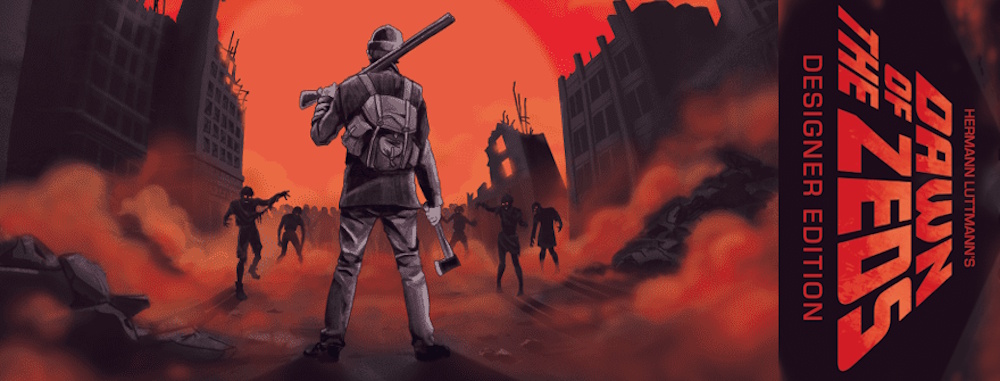
Perhaps the best title to emerge from that golden age was Hermann Luttmann’s Dawn of the Zeds. This baby merged the strategic considerations of the States of Siege line with some cinematic flair. So much cinematic flair that its overstuffed third edition aped not only the dramatic beats of cinema but also the notion that it was a movie being directed by the player. A tonal mismatch if ever there was one.
Here’s the good news: Hermann Luttmann is back with a new version of Dawn of the Zeds. Dubbed the Designer Edition, and divorced from the vultures who gobbled up Victory Point, it’s a revamp of the system from top to bottom. It isn’t as good as I remember. It’s better.
The heroes we need. And deserve. And got. Cool.
Unlike any number of internet specialists, I have no idea what a “real” zombie apocalypse would look like. But the scenario presented by Dawn of the Zeds feels real enough, at least in the moment. It begins on the periphery, slowly, Farmingdale’s outlying communities stubbornly refusing to listen to reason. Then the levy breaks and the tidal wave comes all at once. Defenders panicking over the radio. Refugees crowded on the interstate. Infections concealed among the survivors, ready to bloom into a fresh horde of killers. It isn’t long before the bodies are piling against the barricades.
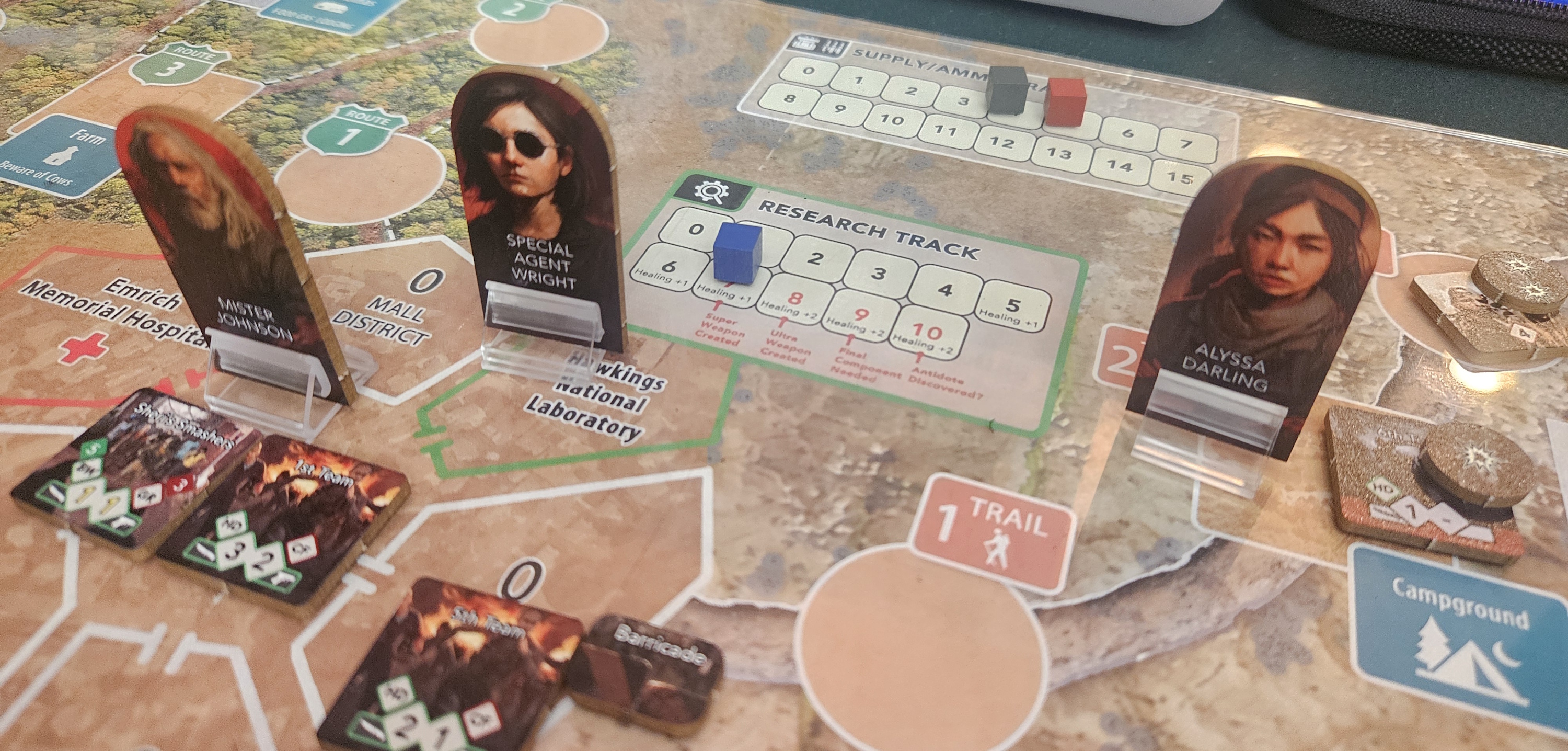
Drawing on its lineage from the States of Siege system, Dawn of the Zeds offers a bird’s eye perspective that lends it a certain credence. At a tangible level, you play as a specific group of survivors. There’s some wiggle room there, including a multiplayer mode, but the classic setup is four heroes selected at random from a generous pool. These heroes, to put it bluntly, are not created equal. One session might provide Professor Agee, already on the cusp of inventing an antidote, and Captain Piazza, the sniper whose ranged attacks and booby traps make her a force of nature at any range. Then the next will give you Pickles the dog. Poor dumb Pickles. He’s the best boy. Just not, you know, the best at zombie invasions.
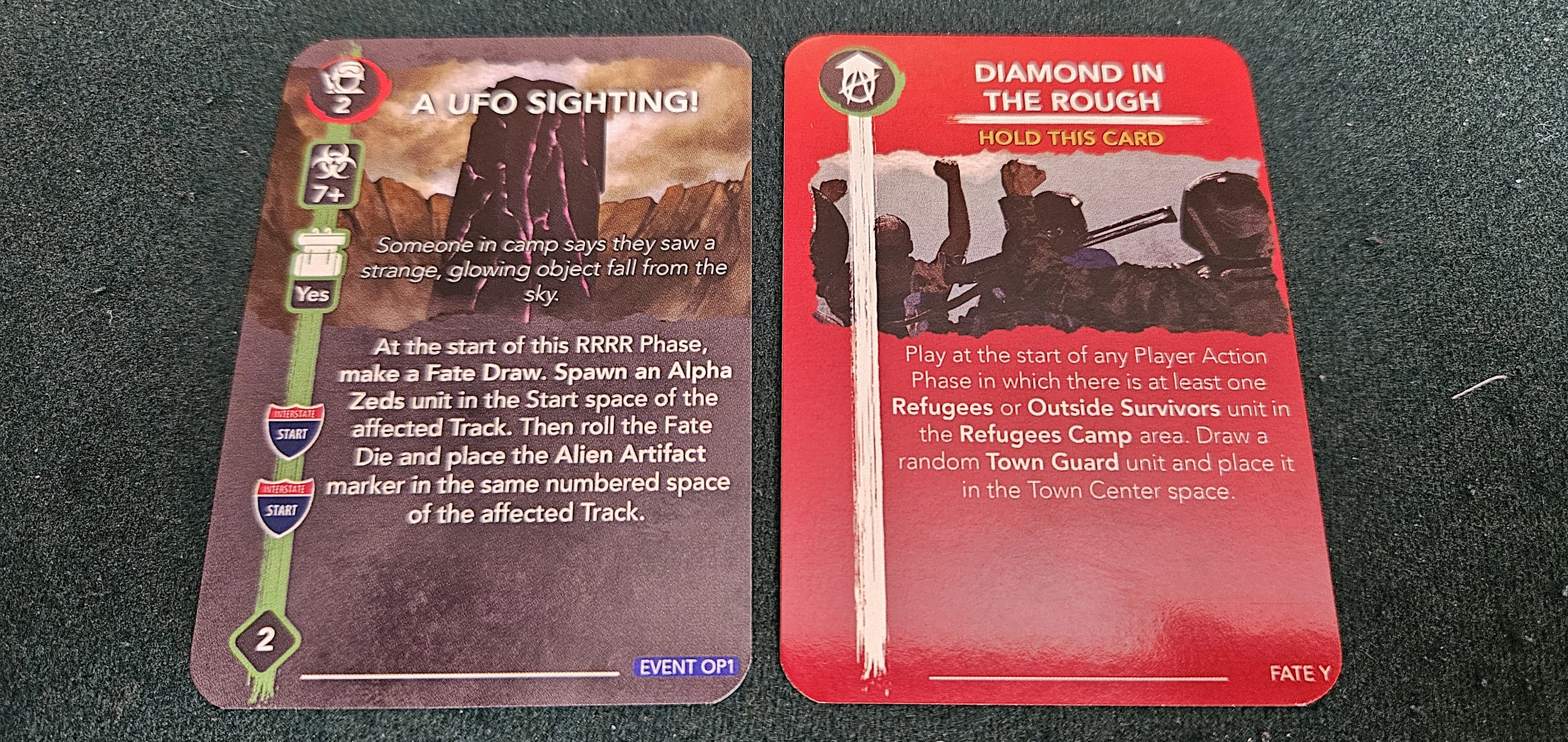
But these inequalities — some might call them “imbalances” — are not only to be expected from Dawn of the Zeds; they’re the whole reason it works. Better get used to it, in any case. Every round begins with an event card that dictates not one but four phases. One of them, the RRRR phase, is really four phases folded into one, letting you usher refugees to safety, shove raiders across the countryside, and invite any passing Army Rangers to help your community. There’s a fourth R in there, but I’ll be damned if I can remember what it stands for. Compared to that, the actual action phase, which usually sees your characters taking a measly one action each, is often brisk. Certainly you’ll wish you had more time. What do you mean Emily Orozco, golf pro, can drive balls into an oncoming horde or shuttle defenders around in her golf cart, but not both?
The sense that you’re drowning in a rickety submarine, four new leaks springing each turn while you only have enough hands to patch three, has been the default state of solitaire and cooperative gameplay ever since Matt Leacock standardized it in Pandemic. But where Dawn of the Zeds excels is at making that formula feel more natural than elsewhere. Flipping an event card doesn’t merely present a problem; it hits you with a full-spectrum crisis. Whether refugees can retreat. The threshold for yet another outbreak that will bring new zombies onto the board. How far you can stretch your tins of beans. Whether your heroes can muster some extra oomph today, that little bit of extra effort to earn a more generous action allotment.
There’s nothing quite like an event deck.
Not least of all, which lanes will come under assault today. This being a glorified States of Siege game, the entire map is divided into four lanes that spiral around and eventually terminate at Farmingdale. If any zeds reach the town, it’s game over.
So you play football. Or tug of war. Some calorie-burning metaphor is appropriate. Each lane has its own tendencies, not to mention spaces that are crucial to your survival but which will very quickly succumb to the horde. The suburbs are defensible but populated with noncombatants who must be protected lest they turn into zombie chow. The interstate is mostly open but for the town’s nuclear plant. The mountains and farmlands both feature zones where food and ammunition can be harvested more readily, if only you can hold them. It doesn’t help that zombie territory must be painstakingly reclaimed lest any future zeds spawn that much closer to your town center.
For the most part, this turns Dawn of the Zeds into a game of fire response. One of your outlying settlements’ defenders falls too soon, so you send loony old Mister Johnson and his shotgun to help bushwhack the zeds back a few steps. Supplies are dwindling, so it’s time for Big Wheels Carter to plow through the crowd with his big rig to bring a few crates back home. Injuries are piling up, so Agent Carter retreats from the front lines to help out in the hospital. Too many zombies are at the gates, so Pickles runs out and ignores the zombies, but also doesn’t really help behind the lines either. Good job, Pickles. Who’s the best boy?
Fortunately, there are plenty of tools to aid in these efforts. Barricades can be erected. Refugees can be rearmed and turned into zed-killing professionals. Antidotes and super-weapons can be manufactured. Indeed, it’s now pretty rare to not leave at least one hero back in town, at least for the first half of the session, just to keep a handle on the hospital and laboratory.
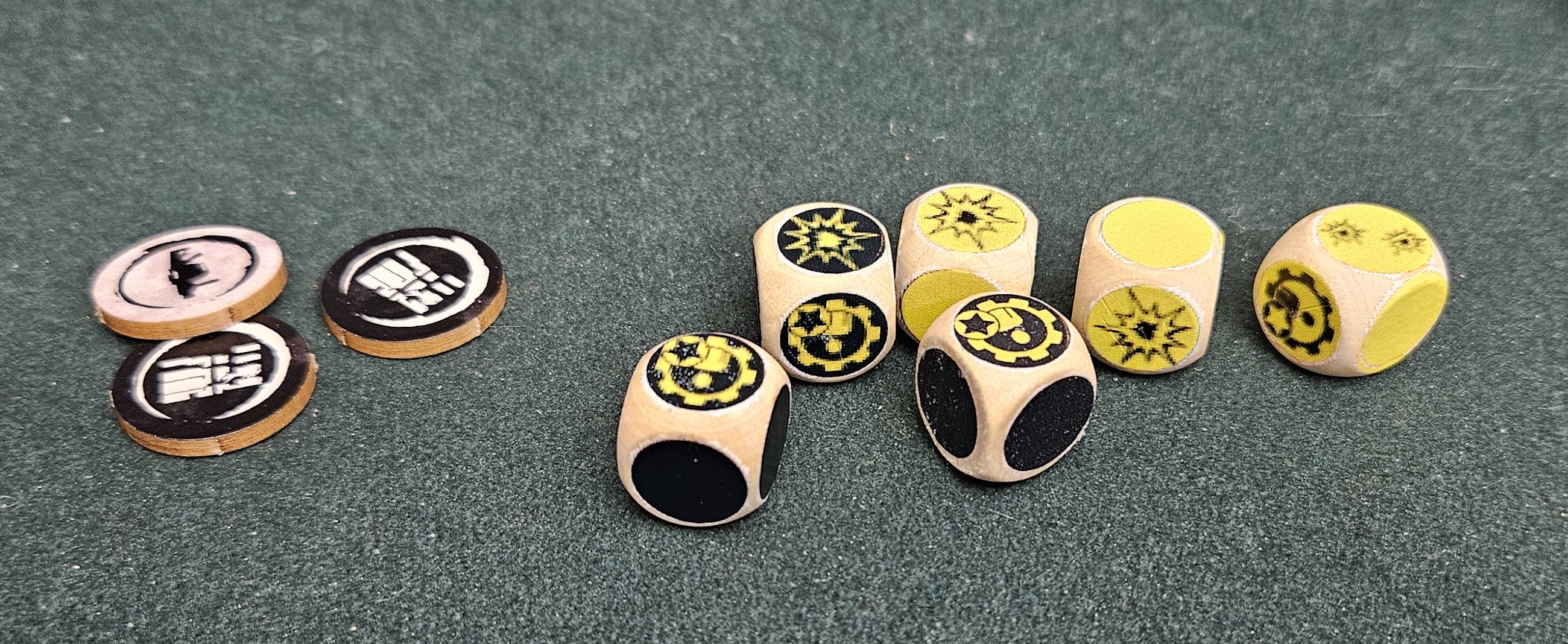
The Designer Edition’s biggest change… dice.
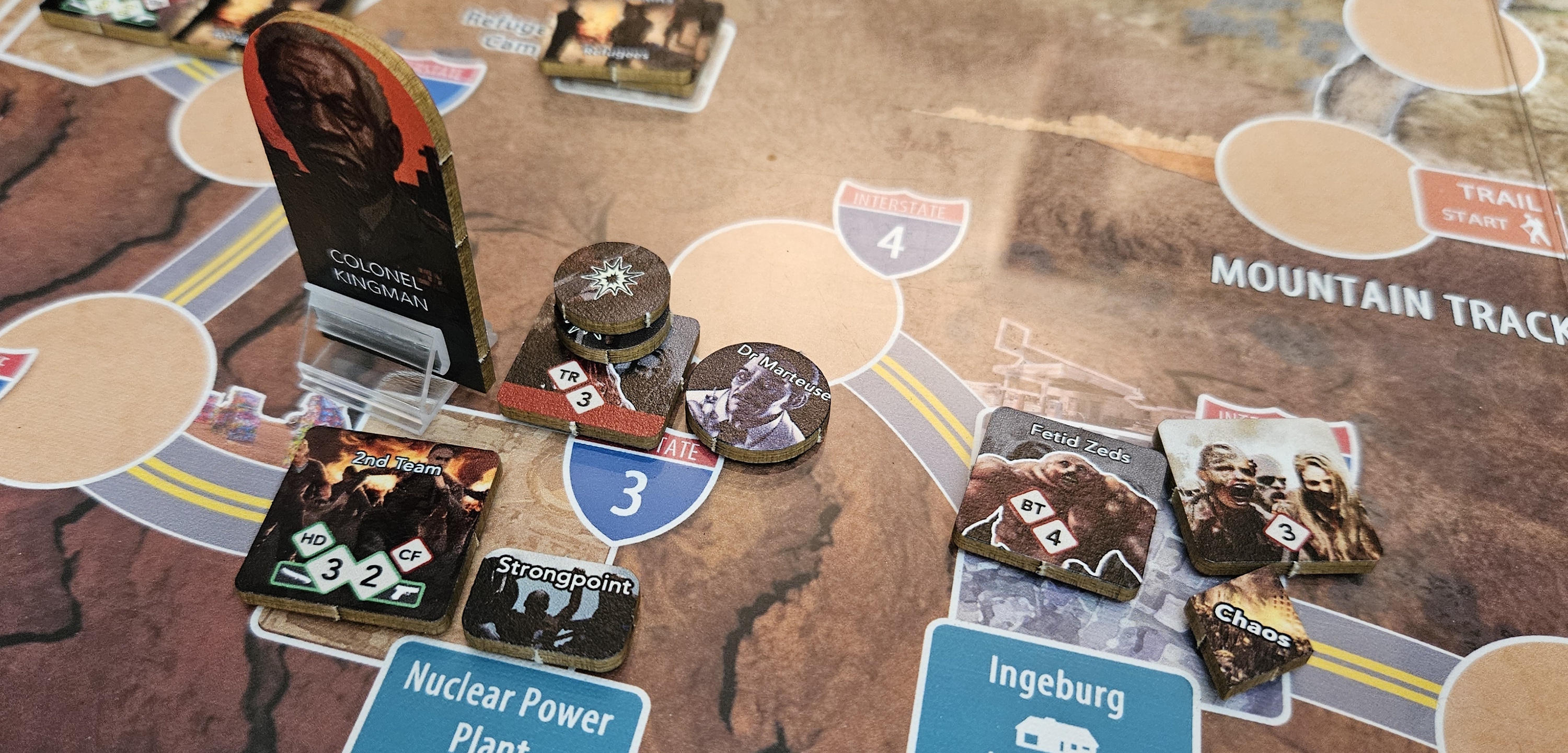
In the meantime, the underlying logic has changed somewhat from the game’s previous incarnations. Since its earliest days, Dawn of the Zeds betrayed its wargaming roots by employing old-school combat results tables. The dreaded CRTs. Anytime zeds entered a space with humans, you would compare their relative values, then check those values against a table that would tell you the outcome. It was a question of sums. My defenders have two strength, plus one for defending a named location, plus another for that supporting unit, plus two for Colonel Kingman’s enhanced barricade… against the combined zed strength of three plus four… now check the table… and that means we inflict two hits and the zeds retreat one space, but we take two hits in return. Wait, since Deputy Schmidt is on the scene, we get a positive shift on the table. Even better. Except, wait, we were looking at the ranged table when we were in hand-to-hand combat.
In other words, the combat system was functional, but not always very exciting.
It seems Luttmann has learned a few tricks in the years since the third edition, perhaps courtesy of experiments like The Plum Island Horror. The CRTs are out. And I mean all the way out. Nowhere to be seen. Instead, zeds now deal a static attack value — usually two to five — that can be blocked with shields, while human forces roll dice to inflict injuries or trigger special abilities.
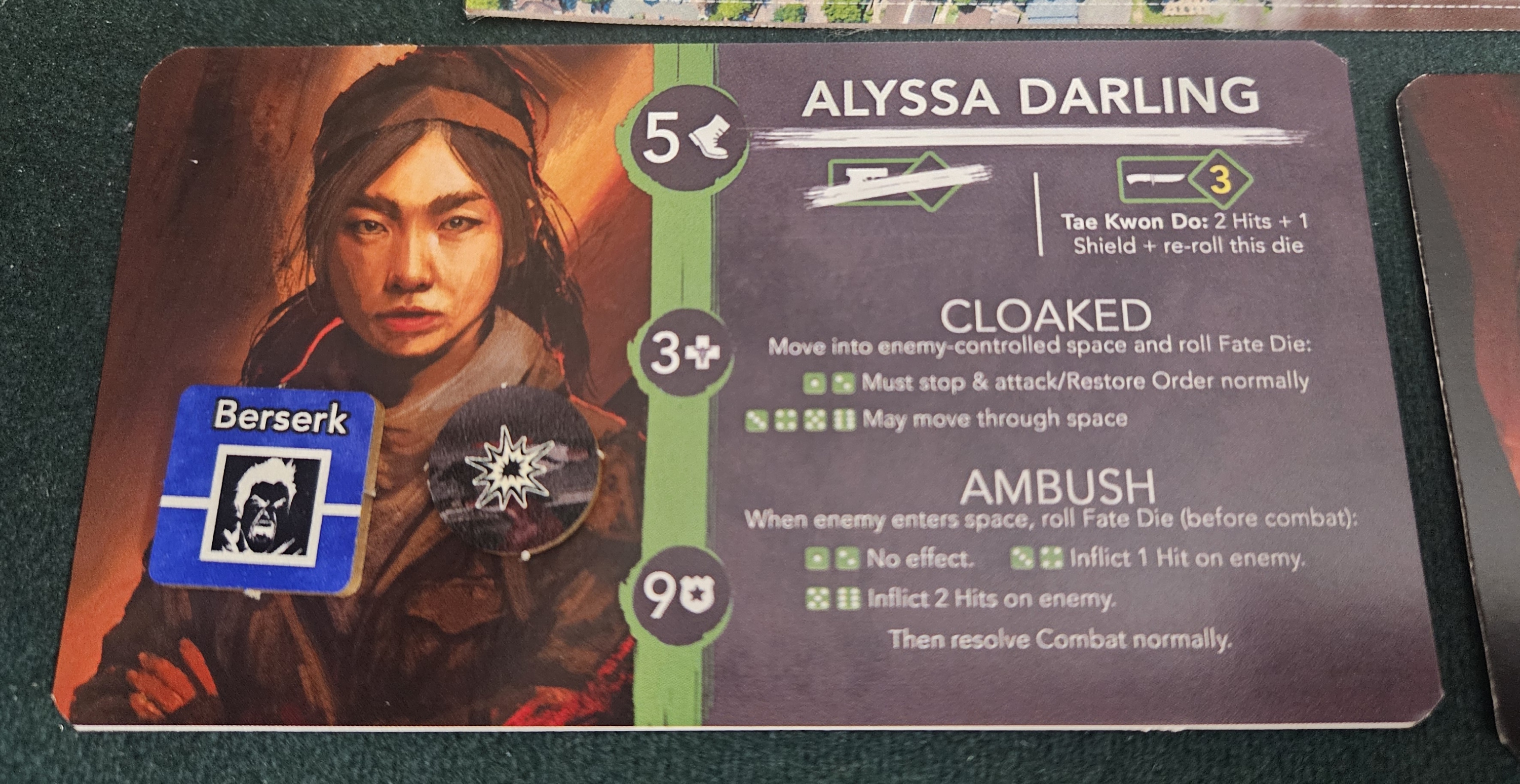
The consequences are far-reaching. First of all, hero abilities are more manageable. In the third edition, heroes had half a dozen abilities each, all written in long-form text, all necessary for using them to their fullest capacity. Now heroes have two passive abilities plus perks that trigger when they get the right results on their dice. It’s tidy by comparison, preventing those obnoxious “oh shoot, I forgot to do this one thing” moments that were so common in previous editions, but also ensuring everybody feels like their own member of the team.
More importantly, combat is no longer something that can be summed out in advance. No longer can you park the right cluster of heroes and town defenders on a space and trust the CRT to provide. Sometimes you’ll roll five dice and flub the whole set. Other times Pickles will pounce on a pair of chits and somehow obliterate the entire stack with his lone yellow die. This can be frustrating, and there’s a whole optional reroll system in there for those who are, like me, little brats about bad tumbles. But this also pushes the game in a direction that’s more organic, more freewheeling, with unexpected twists and turns. It feels more like a series of triumphs and catastrophes and less like we’re pausing every thirty seconds to look at another dang chart.
It helps, too, that combat now includes little moments of player agency, especially where retreats are concerned. Previously, the CRT was everything. Injuries, retreats, the CRT might as well be God handing down tablets from Mount Sinai. Now it’s up to you whether to retreat from a space to ignore an injury or suck it up and hold your ground. This still won’t save a squad from a total overrun, but it’s a nice decision to leave in the player’s hands. Will you absorb a few extra losses to hold onto that important district, or cut your losses and hopefully outrun the zeds? It’s a toughie.
Want to ambush a zombie horde?
To be clear, Dawn of the Zeds is still a cluttered design in some ways. There are still tables, just not combat results tables. You check separate rubrics to see if your hero succeeded at foraging, healing, or researching the zombie virus. Chits still show little letter codes that designate their special abilities. Above all, there are still absolute heaps of special modifiers that might be applied to units. What’s the difference between flaming zeds, smelly zeds, and beta zeds? That isn’t the start of a joke. Those are actual traits that might be added to a chit to modify the threat it poses to Farmingdale’s defenders.
For the most part, though, the beauty of the Designer Edition is that it hits the sweet spot between complexity and ease of entry. It’s a little easier than before, both complexity- and difficulty-wise. But for all its streamlining, there’s still texture here. Flaming zeds are incredibly dangerous, but they’re also self-damaging. Smelly zeds repel your defenders if they share a space after combat. Beta zeds move faster and hit harder. Now that you know those ones, what about infected vermin, dirty zeds, smart zeds? Most of these traits won’t appear in a single session. But the beauty of this system is that they might. This is still a kitchen sink design, but it’s a kitchen sink design by a kitchen sink designer who’s come to really know his kitchen sinks.
And what a kitchen sink it is. After all these years, I had some trepidation going back into Dawn of the Zeds. Like its comrades in the old Victory Point Games catalog, it was a product of its time. That second edition, arguably the high-water mark for the old versions, shipped in a folio-sized ziplock. Its cutouts smelled of wood smoke from the workshop laser cutter. The rules were scattered and frenetic, a little homebrew. Opening the box for this edition, I wasn’t exactly thrilled to discover that that’s apparently how Luttmann’s brain functions.
But even after all this time, Dawn of the Zeds feels fresh. Fresher, actually, now that the States of Siege titles are a thing of the past rather than regular attendees of the alternative wargaming scene. The closest comparison from the past few years is The Plum Island Horror, but while that game has left a few visible fingerprints on this one, the two are more like cousins than siblings. All in all, this has the hallmarks of the same game Luttmann designed fifteen years ago. It’s still weathered and wild-eyed, the buttons of its overcoat still loose, but it’s every bit as indomitable as ever.
“You’re under arrest, Dr. Mabuse!”
At least I hope it is. Some part of me wonders if Dawn of the Zeds has grown too far out of step with the modern hobby scene. It’s challenging and woolly and random. Even more random thanks to the dice combat.
But it’s also one of the most exciting and interesting solitaire games of its age. Once a week over the past month or so, I’ve sat with it in the evening, watching my defenders fail or rally, my heroes dart from one peril to the next. And it was perhaps the most relaxed I’d been in as much time. It felt like coming home. Not to the janky and over-stuffed version that I’d grappled with when I reopened the third edition last year. Instead, a version that was still expansive in what could happen, but more manageable and vivid in the moment. The past as I remember it rather than the past as it was.
Even when Pickles showed up only to promptly hurl himself into an unwinnable fight. Especially then. Good boy, Pickles. Good game, Dawn of the Zeds.
A complimentary copy of Dawn of the Zeds: Designer Edition was provided by the publisher.
(If what I’m doing at Space-Biff! is valuable to you in some way, please consider dropping by my Patreon campaign or Ko-fi. Right now, supporters can read the next installment in my series Talking About Games, this time tackling the topic of what makes a good list! Naturally, the piece includes a list.)
Welcome to this week’s batch of crowdfunding campaigns. We have a variety of offerings here, so we hope you will find something that catches your eye. Also, if you want to chat with the BGQ team, join our Discord Server where we talk about games, movies, sports, and other fun stuff. Check it out and […]
Crowdfunded eurogames from smaller board game publishers had a banner year at the latest Dice Tower Awards, accounting for half of the wins at the high-profile prize ceremony.
The biggest success of the night was Kinson Key Games’ Galactic Cruise, which was crowned game of the year in addition to picking up gongs for best strategy game and best game from a new designer.
Galactic Cruise, designed by TK King, Dennis Northcott and Koltin Thompson
Fellow indie publisher Paverson Games was also a standout winner in this year’s Dice Tower Awards, with its classical music-inspired title Luthier picking up awards for best theme, best production and best game from a small publisher.
Other crowdfunded titles honoured by the awards were mid-weight euro Critter Kitchen for best artwork thanks to the work of Sandara Tang, and 20 Strong: Tanglewoods Red for best solo game – the latter the only one which raised money through Gamefound rather than Kickstarter.
The string of crowdfunded successes is significant given the notable shifts which have taken place on Kickstarter and Gamefound in recent years, with a rise in larger publishers using the sites, and more campaigns focused around big-budget releases, miniatures heavy projects, deluxified components and major licensed IP.
CMYK scored a second success in this year’s awards with Hot Streak, which won best party game, while Stonemaier Games took the most innovative game prize with Vantage and Tag Team won best 2-player game.
Presented annually during Gen Con, the Dice Tower Awards are among the board game hobby’s highest-profile jury-voted honours, given the winning titles gain exposure with the veteran reviews giant’s more than 360,000 YouTube subscribers.
Winners are selected from the previous year’s games by a panel of more than 60 Dice Tower contributors, reviewers and content creators. The awards celebrates its 20th anniversary next year.
2026 saw the third iteration of Roll The Dice Cornwall’s South West Cornwall Games Expo, and it was the best yet. The first time was at a small church hall in Helston. The second was in a bigger hall on the outskirts. This time it basically took over the old Cattle Market Building and Coronation Park. and it was brilliant. Hot sunshine, vendors selling anything and everything geek…
In dieser Woche (KW 33) haben Gamefound und die Spieleschmiede keine frische Brettspiel-Kampagne mit echtem Neuigkeitswert nachgelegt. Auf Kickstarter dagegen laufen gleich drei Projekte aus derselben Startwelle vom 14. Juli auf ihr Ende am 13. August zu. Alle drei sind finanziert und decken ein leichtes bis mittleres Gewicht ab, vom Jahrmarkt-Spiel bis zum Spieleabend-Paket. Ein Hinweis vorab: Es handelt sich um US-Kampagnen in US-Dollar, für die aus dem DACH-Raum Versandkosten und Einfuhrabgaben anfallen.
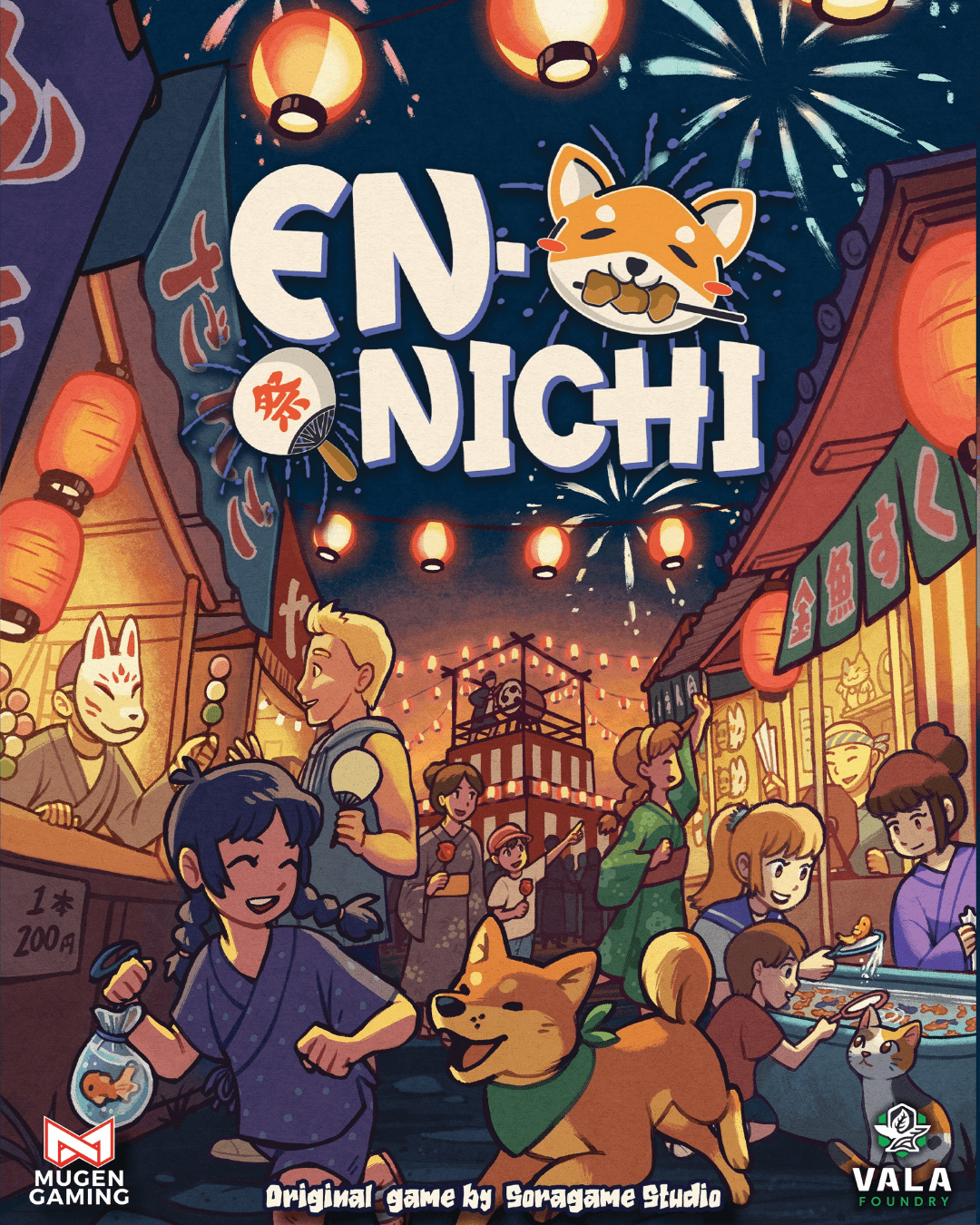
En-Nichi: Japanese Summer Festival
En-Nichi: Japanese Summer Festival. Bild: Mugen Gaming (via BoardGameGeek).
En-Nichi läuft noch bis zum 13. August auf Kickstarter und hat sein Ziel von 7.878 US-Dollar mit aktuell rund 112.831 US-Dollar auf etwa 1.432 Prozent gebracht, getragen von rund 1.035 Unterstützenden. Damit ist es der klare Volumen-Spitzenreiter dieser Ausgabe und erfüllt gleich zwei Aufnahmekriterien: kurz vor Ende und außergewöhnlich hohe Finanzierungsquote.
Thematisch wanderst du über ein japanisches Sommerfest von Stand zu Stand und spielst kleine Jahrmarkt-Minispiele wie Schießbude, Goldfisch-Fangen, Wasserballon-Angeln und Maskenstand. Mechanisch mischt das Spiel Würfeln, Push-your-Luck, ein Gedächtnis-Element und Set Collection: Du sammelst bunte Preise, um die Gunst der Dorfbewohner zu gewinnen. Wer genug Zuneigung sammelt, nimmt die Figuren mit ins große Finale.
Es spielen 2 bis 6 Personen ab 8 Jahren, eine Partie dauert 45 bis 60 Minuten. Verlag ist Mugen Gaming aus Kansas City. Einen Designer nennt weder die Kampagne noch der BoardGameGeek-Eintrag, hier bleibt die Urheberschaft offen.
Aufnahmekriterium: Kurz vor Ende (finanziert) und besonders interessant (Finanzierungsquote deutlich über 300 Prozent, Volumen über 100.000 US-Dollar).
How to Raise Your Kaiju
How to Raise Your Kaiju. Bild: Rose Gauntlet Entertainment (via BoardGameGeek).
How to Raise Your Kaiju läuft noch bis zum 13. August auf Kickstarter und steht mit rund 35.731 US-Dollar bei etwa 357 Prozent des Ziels von 10.000 US-Dollar, gestützt von rund 431 Unterstützenden. Hinter dem Projekt steht Rose Gauntlet Entertainment, das Design stammt von Isaac Vega, die Illustrationen von Alyssa Menold.
Du schlüpfst in die Rolle eines Kaiju-Elternteils und ziehst kleine Monster groß. In deinem Zug setzt du ein Baby-Kaiju auf eine Stadt und nimmst dir eine Fähigkeitenkarte. Anschließend kannst du Stadtzonen erobern, indem du Fähigkeitenkarten passend zu den Verteidigungs-Tokens abwirfst, was Erfahrungspunkte und Ressourcen einbringt. Sammelst du genug Erfahrung, verdient dein Kaiju einen Goldstern.
Alternativ schickst du dein Monster auf den Open-World-Pfad, wo weitere Strecke größere Belohnungen bringt. Eltern-Karten geben jeder Spielerin und jedem Spieler eigene Sonderfähigkeiten, sodass sich die Partien unterscheiden. Nach vier Runden gewinnt, wer die meisten Goldsterne gesammelt hat. Mechanisch verbindet das Spiel Worker Placement, Handmanagement und Set Collection für 1 bis 4 Personen ab 10 Jahren, bei 30 bis 60 Minuten Spielzeit.
Aufnahmekriterium: Kurz vor Ende (finanziert) und besonders interessant (Finanzierungsquote über 300 Prozent, etablierter Designer).
MILLRAT Pack!
MILLRAT Pack! Bild: MILLRAT Studio (via Kickstarter).
Das MILLRAT Pack läuft noch bis zum 13. August auf Kickstarter und hat mit rund 11.326 US-Dollar etwa 188 Prozent des Ziels von 6.030 US-Dollar erreicht, getragen von rund 191 Unterstützenden. Das Projekt bündelt vier eigenständige Spiele in einer Schachtel, gedacht für den Spieleabend, entwickelt von MILLRAT Studio (Nick und Adam) mit Artwork von Abby Ouellette.
Die Kampagne beschreibt das Paket als „etwas für jeden am Tisch", schlüsselt die vier Titel in den abrufbaren Kampagnendaten aber nicht einzeln nach Mechanik oder Spielerzahl auf. Was die Spiele konkret tun, bleibt damit auf Basis der reinen Eckdaten offen. Für den DACH-Raum ist außerdem wichtig: Der physische Versand ist auf die USA beschränkt, sinnvoll bestellbar ist von hier aus vor allem die Print-and-Play-Variante ab 8 US-Dollar.
Aufnahmekriterium: Kurz vor Ende (finanziert). Der Titel steht hier ausdrücklich mit dem Vorbehalt eingeschränkter DACH-Verfügbarkeit.
Kein frischer Start auf Gamefound und Spieleschmiede
Auf Gamefound sind die Kampagnen des Summer Feast von Ende Juli inzwischen überwiegend beendet, ein frisch gestartetes oder kurz vor Ende stehendes Brettspiel mit klarer DACH-Relevanz war in dieser Woche nicht darunter. In der Spieleschmiede läuft weiterhin das Zeitreise-Kennerspiel Restart von Giant Roc, das wir bereits in KW 31 und KW 32 vorgestellt haben und das daher hier keinen neuen Aufhänger bietet. Sobald auf diesen beiden Plattformen wieder etwas Neues mit Substanz startet, greifen wir es in der nächsten Ausgabe auf.
Das dekadente Heer der Hedonites of Slaanesh kämpft nicht für Macht oder Ruhm, sondern für den vollkommenen Exzess. Mit betörender Eleganz, übernatürlicher Geschwindigkeit und tödlicher Präzision locken sie ihre Feinde ins Verderben. Wer ihrem verführerischen Ruf folgt, findet nur ewige Verdammnis im Namen Slaaneshs.
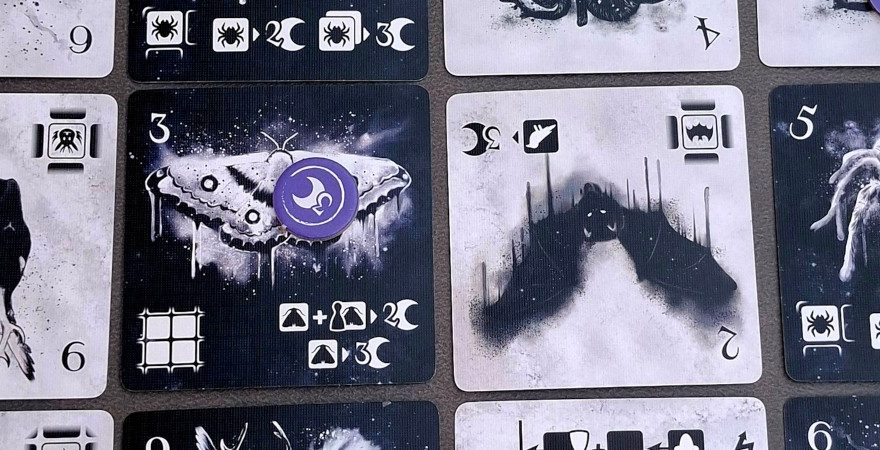
Genauso mystisch wie die Tiere im Spiel sind die Karten gestaltet. Die Schwarz-Weiss-Illustrationen von Instinkt: Duell der Tiere sind ein Blickfang und tragen ebenfalls zur besonderen Stimmung bei in diesem Kartenspiel für 2 Personen. Beide Personen starten mit einem Kartenstapel
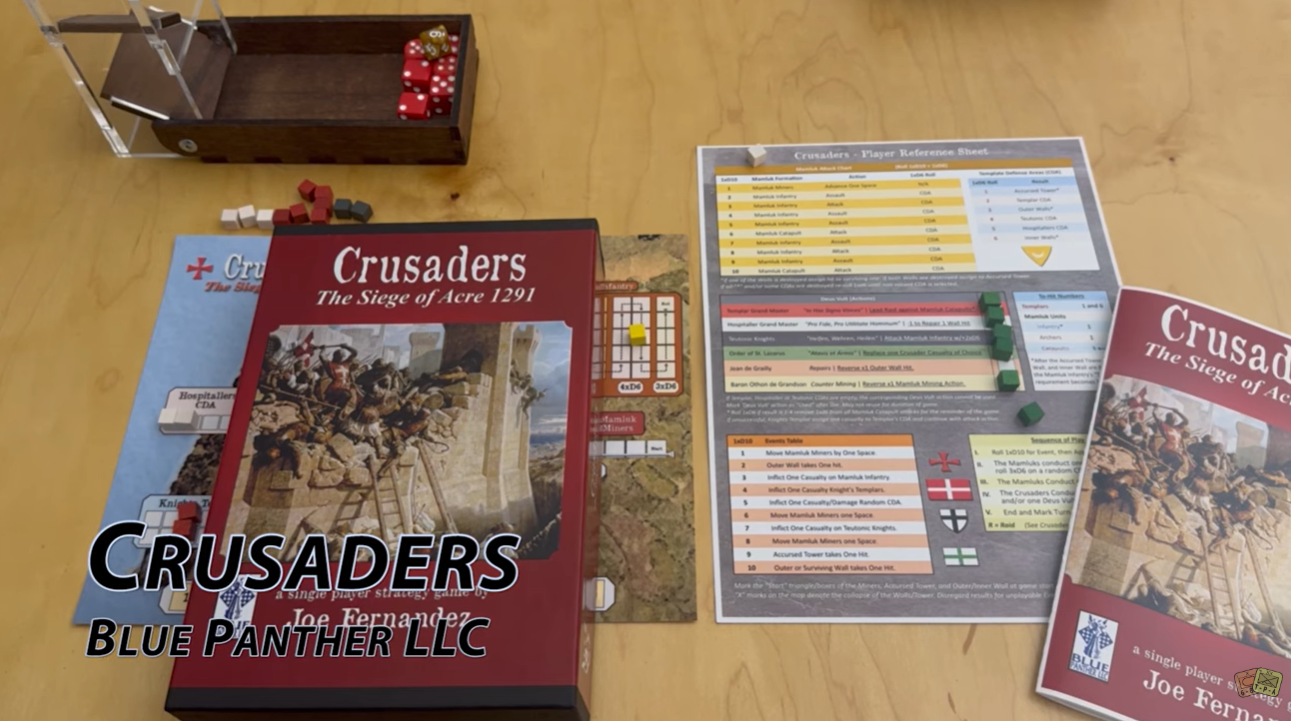
Dive into history and heroism with Crusaders: The Siege of Acre 1291, a solitaire wargame that lets you experience the last stand of the Knights Templar and the Crusaders in the Holy Land.
Relive the courageous stand of some 15,000 Crusader soldiers, Knights Templars, Teutonic Knights, and Hospitallers as they defend Acre, a critical port city in the Holy Land, against a massive Mamluk army of some 80,000 soldiers armed with siege engines and catapults in the century after the Ninth Crusade.
Fighting was brutal. Mamluk archers and catapults rained missiles on the walled city, infantry conducted relentless assaults against its perimeter while miners attempted to breach the defenses of the stronghold from below. From behind its ramparts, the Crusaders repelled attack after attack while leading raiding parties outside of the city as the immense Mamluk army tightened the noose of the defending Crusaders.
When the dust settled, the city of Acre was overun by the Mamluk army. Crusaders and citizens were killed as the remnants of the Crusader army fled back to Europe while the legendary Order of the Knights Templars retreated to the island of Cyprus. The Crusaders lost their last major stronghold of the Crusader Kingdom of Jerusalem, never to return. Can you hold Acre?
Über drei Spielrunden erstellen wir ein funktionierendes Ökosystem das wir Karte für Karte aufbauen. Bei Waldland sollen sich auch die Tiere wohlfühlen und aktiv werden. Unter dem Titel Baumkronen erschien das Spiel 2021 bei einem anderen Verlag. Während das Vorgängerspiel
Die glorreichen Gilden von Buttonville entführt die Spieler in die verlassene Stadt Buttonville, die es zu bevölkern gilt. Spielerisch handelt es sich um ein Set-Collection Spiel mit starkem Fokus auf Kombinationen und Synergien. Nachdem uns Christian Kudahl bereits mit Mindbug und Agent Avenue begeistert

 Anmelden


 Zwölf Speerspitzen, neunzig Ausgaben und jede Menge Plastik: Hachettes Spearhead-Magazin kommt nach Deutschland. Die erste Ausgabe erscheint am 19. August 2026, Abonnements können bereits jetzt abgeschlossen werden. Im Mittelpunkt steht dabei das schnelle Speerspitze-Format, für das die Leser*innen nach und nach komplette Streitmächte samt passender Regeln sammeln können.